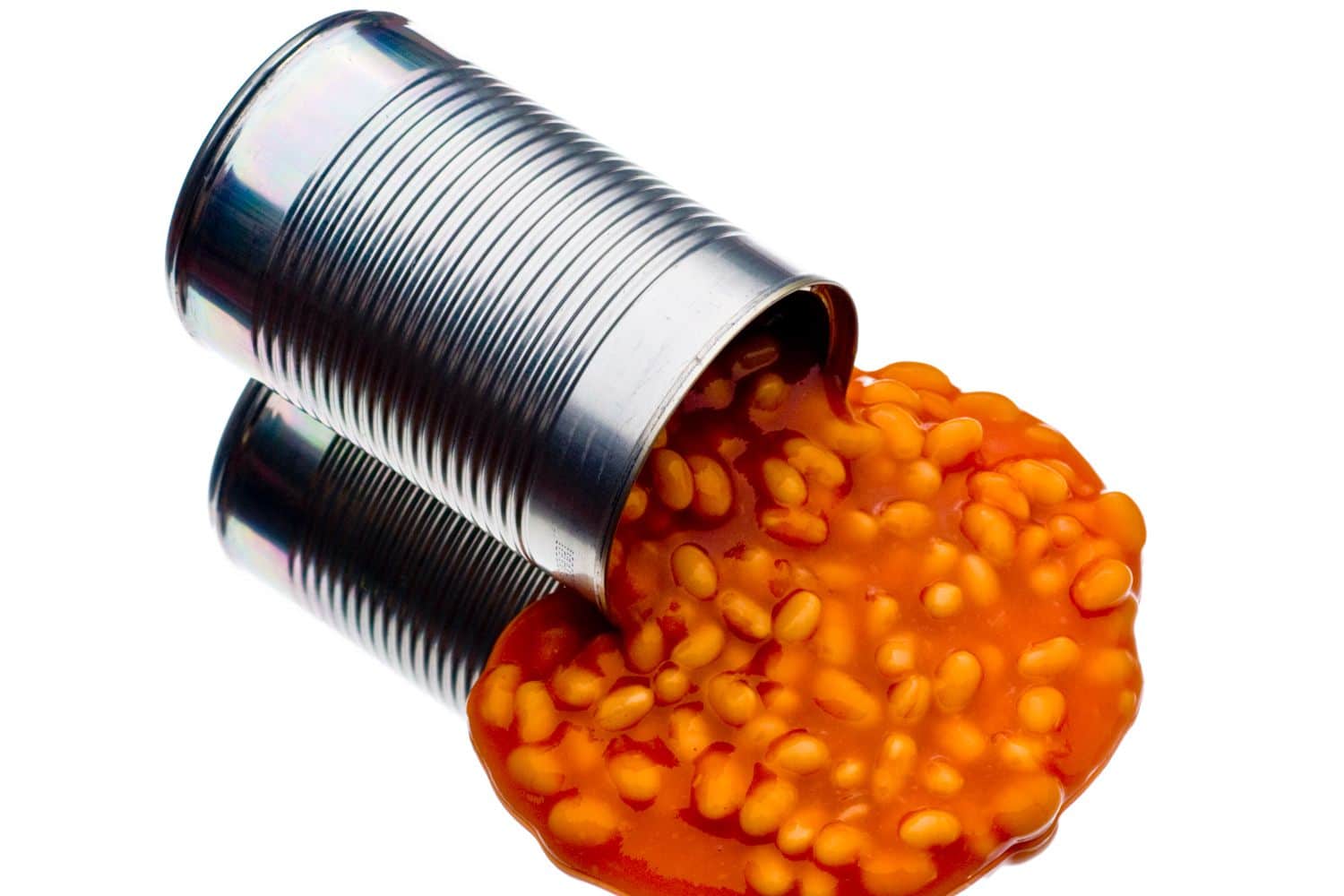
Canned beans are a practical alternative to fresh vegetables when you need to whip up a quick meal. But are they healthy? This article presents the pros and cons.
Healthy beans – what happens in the can
One thing is certain: beans – whether bush beans, white beans, red beans, green beans, or broad beans – are healthy nutrient powerhouses. They are full of protein, carbohydrates, and fiber and provide valuable minerals (e.g., magnesium, iron, potassium, phosphorus, zinc) and vitamins (e.g., vitamins B1, B2, B6). However, dried beans have one disadvantage: they need to be soaked for a long time before they can be cooked. If you don’t have the time, feel free to use canned beans.
- When green bush beans are freshly harvested and prepared as a vegetable, their vitamin content is at its highest. In dried legumes or if the beans are not processed immediately, the vitamin content is already slightly reduced.
- During cooking—which is necessary to break down the phasin in the beans—some of the vitamins are also destroyed.
- Beans from a can or jar are already pre-cooked. They have usually been heated twice on their way to the store shelf: once before they are put into the can and then under pressure in the closed can. Nowadays, this heating is done in a very gentle manner.
- This is why the vitamin content of canned beans is lower than that of fresh or frozen beans. The mineral content of cooked beans may also be lower. The legumes are preserved in brine, into which some of the substances can migrate.
- This means that you no longer need to cook canned beans. You can add the legumes to the dish at the end of the cooking time and heat them only slightly.
- Conclusion: Once prepared, the difference in nutrient content compared to freshly processed beans is no longer significant.
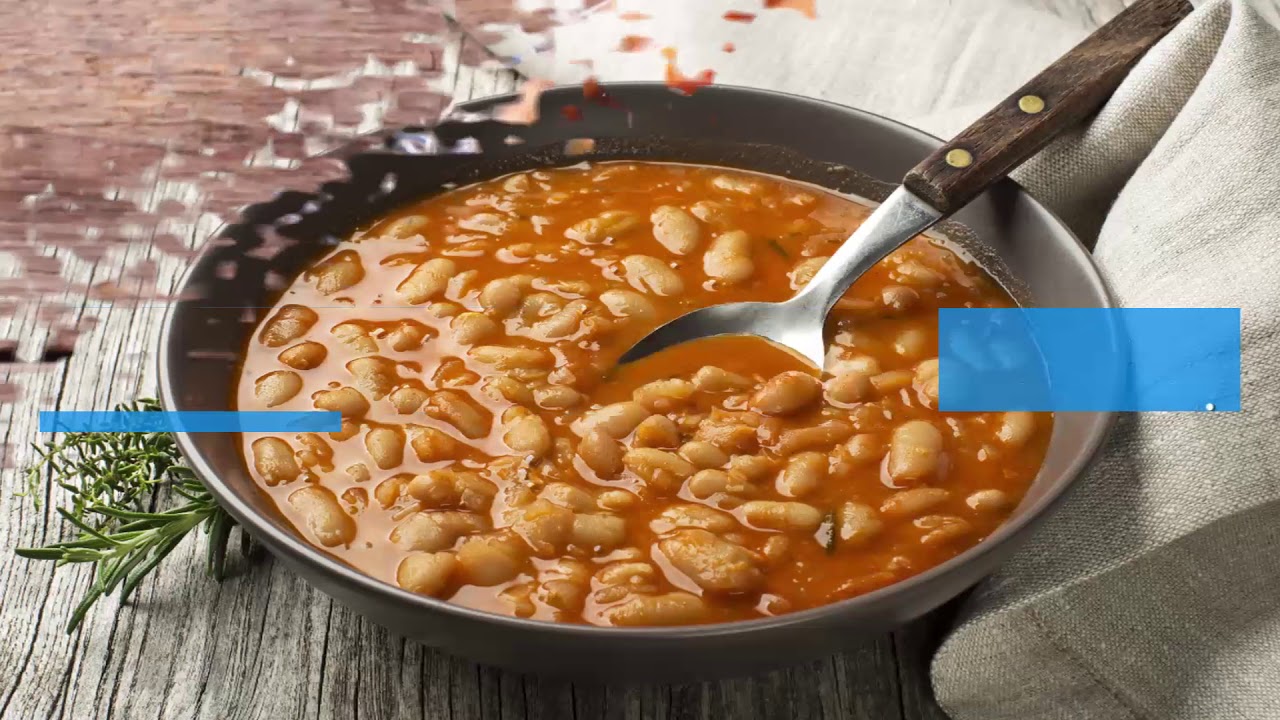
Canned beans – other important information
If you can’t decide whether to give jarred or canned beans a try, here are a few things you should know and keep in mind.
- Canned beans can be stored for a long time. They are ready to use in the kitchen: just open the can and you’re done. This makes them easy to use in cold dishes such as salads. Canned beans are also ideal for stews and soups.
- As for whether they are healthy or not: you certainly don’t only cook with canned food. It always depends on a healthy mix of different ingredients. A salad with rice, tomatoes, fresh herbs, and canned beans is quick to prepare and always better than a serving of fries or a frozen pizza.
- In the past, residues of BPA (bisphenol A) have been found in some canned foods. It is believed to enter the food via the inner coating of the can or the sealing rings in the lids.
- If you want to avoid BPA, which is suspected of promoting cancer, choose quality products, such as organic products.
- When preserving beans in cans or jars, they are usually placed in a brine of water and salt, sometimes with spices. If you want to use unsalted beans, check the list of ingredients when shopping.
- As a general rule, people who have problems with elevated uric acid levels or who suffer from gout should eat no or very few beans. Legumes, whether fresh or preserved, contain purines, which can have negative effects.