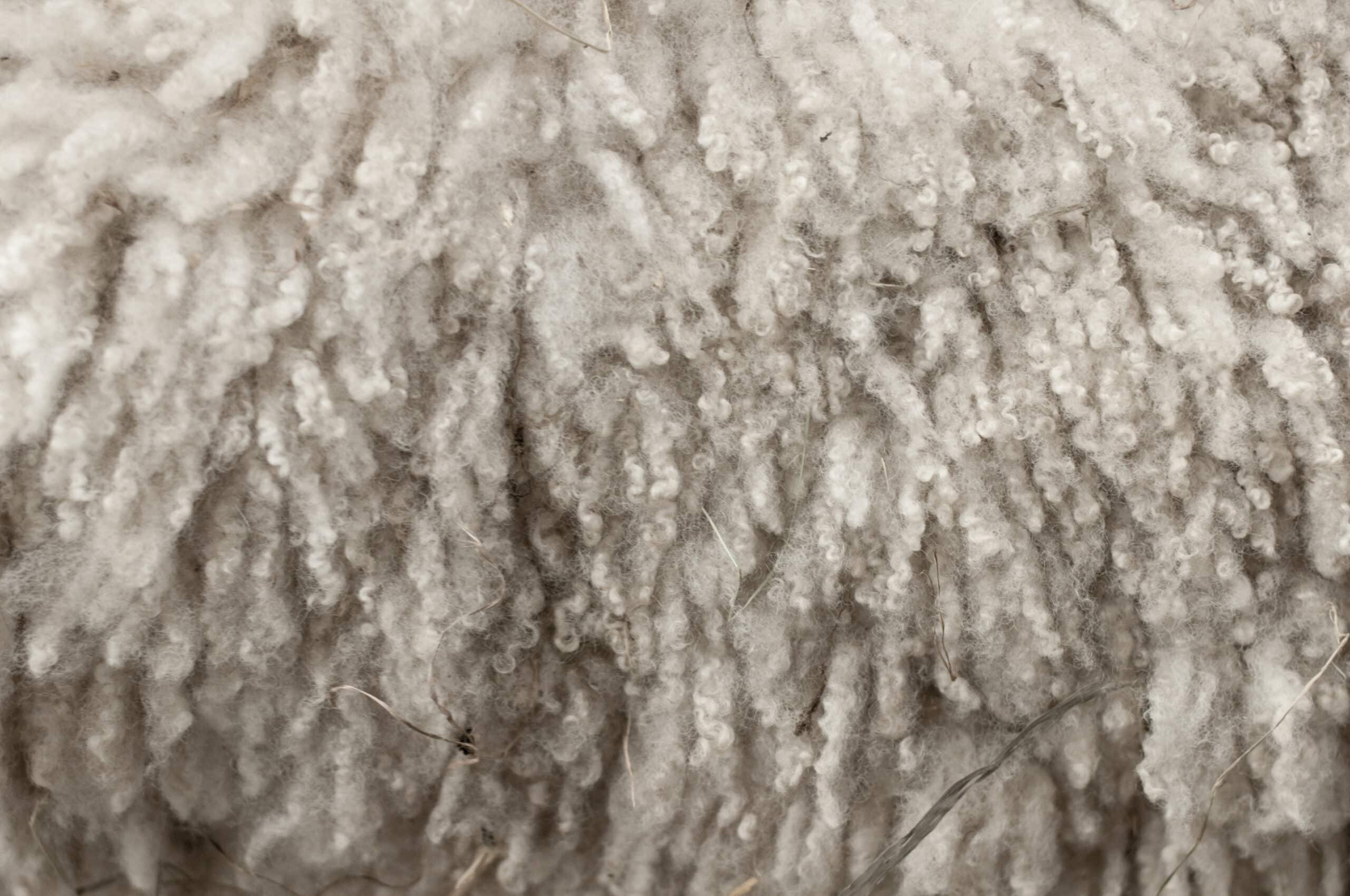
If your wool has become matted, it can even be rescued with home remedies—at least as long as the fine, naturally soft material is not too badly damaged.
Rescuing slightly matted wool: Effective home remedies
There is hardly any other material that we associate more with fluffy comfort and warmth than wool. But one wrong wash cycle is enough to mat this otherwise durable material. The fibers contract, making the garment hard, stiff, and often significantly smaller. The good news is that slightly matted wool can often be saved with home remedies. The bad news is that heavily matted textiles can only be restored to their original condition to a very limited extent.
- Cold in the dryer: If you have a dryer, this is the most convenient way to save your slightly matted favorite item. However, it is important that you do not set the dryer to dry or to high temperatures. Instead, select the cold air or airing setting on your dryer. Before placing the matted wool in the dryer, lightly dampen the garment. Once you have “dematted” the wool garment in the dryer, carefully pull it back into shape.
- Lukewarm water bath: A slightly more old-fashioned method is to place the matted wool in a large bowl of lukewarm water. Knead and gently stretch the shrunken, matted garment in the water. However, do not pull the wool too hard or spin it while it is wet. Then place a large towel on a drying rack and let the wool dry on it. You should pull it apart a little from time to time. Once the wool is dry, remove any remaining felt balls with a lint shaver.
- Vinegar and water bath: Vinegar is a classic home remedy for felting. To ensure it works properly, mix it in an exact ratio of one part vinegar to four parts lukewarm water. Place the felted garment in the solution for 30 to 60 minutes. The vinegar loosens the wool fibers and can increase elasticity. Then carefully stretch it with your hands—do not wring it—and rinse it under clear water.
- An oil bath: An oil bath is ideal for wool items that are only slightly matted. For example, use 50 milliliters of olive oil or baby oil in about five liters of lukewarm water (approx. 30°C). Leave the fabric to soak for one to two hours. The oil coats the fibers, making them more supple and easier to gently stretch by hand. Afterwards, be sure to rinse with a mild wool detergent so that no oil film remains.
- Milk treatment: Milk is also fatty and therefore a possible method for removing felting from your wool. Place the matted wool in a bowl and add enough milk until the wool is completely saturated. Leave the matted wool in the milk for around 24 hours before rinsing it out completely in lukewarm water.
- Bean water as a secret weapon: Less well known, but surprisingly effective, is bean water, i.e., the water used to cook white beans. It contains natural mucilage that can make the wool supple again. Soak the matted item in cooled bean water for two to four hours, then rinse it thoroughly with lukewarm water. This method is particularly suitable for delicate knitwear.
- Freezing method: Yes, you read that right—you can also freeze your fine wool garment. Place the dry garment in a freezer bag and freeze it for 24 hours. The cold changes the structure of the fibers minimally and can help loosen the matting.
After thawing, the fabric can sometimes be brought back into shape a little better – especially if you then wash it gently by hand in lukewarm water and stretch it.

What you can do with heavily matted wool
Unfortunately, heavily matted wool often cannot be completely salvaged. If the item has shrunk too much or become too hard, there is only one thing left to do: get creative.
- Instead of throwing it away, you can breathe new life into it—the keyword here is upcycling.
- Cut the matted material into practical felt coasters or pot holders, for example—they are sturdy, heat-resistant, and decorative.
- Alternatively, you can sew it into a cell phone case or pencil case – the idea is suitable for everyday use, but the upcycled result also makes a great gift.
- Felted wool also looks great as decorative pendants or Christmas tree decorations, especially in colors and shapes of your own choosing.
- If you have pets, use it to make toys for cats or dogs – soft, durable, and plastic-free.