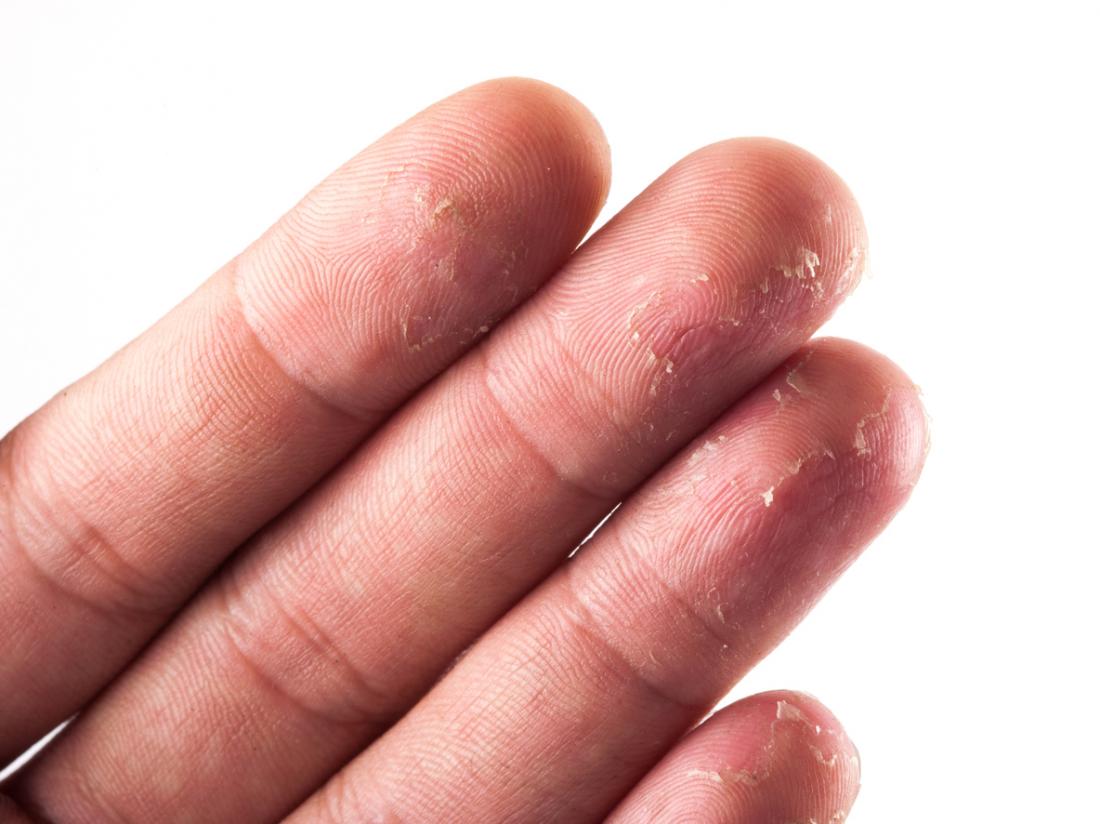
When your fingertips peel, it not only looks unsightly, but it can also be a sign of serious illness. In most cases, however, there is a harmless cause for peeling fingertips.
Fingertips peeling – this could be the reason
If your fingertips are peeling, there could be various causes. It is important to consider all possibilities in order to find the cause and quickly alleviate your symptoms.
- If you frequently perform mechanical tasks with your hands, this may be the cause of your skin problems on your fingertips. Frequent work with your hands, such as gardening, climbing, or manual labor, can put a lot of strain on the skin on your fingertips. This can cause the top layer of skin to peel off.
- Soap, detergent, cleaning agents, or other chemicals also attack the skin’s natural protective layer. Washing your hands too often or coming into contact with aggressive substances often leads to peeling fingertips.
- Cold weather and dry air can also be the cause of your skin problems. In winter or when the air is dry due to heating, the skin dries out more quickly. This results in cracked, flaky, or peeling fingertips. Pulpitis sicca, a specific form of dry fingertip eczema, also occurs frequently in winter.
- Allergies are also often behind dry and cracked fingertips. An allergic reaction to certain substances, such as fragrances, latex, or metals, can cause the skin to peel. Itching or redness often occur as well.
Other possible causes of peeling fingertips
If the causes mentioned above are not responsible for your peeling fingertips, other factors may also be causing the skin problem.
- Various fungi, bacteria, or viruses can attack the skin on the fingers. Typical symptoms include itching, blisters, or redness. Diseases such as scarlet fever or hand, foot, and mouth disease can also lead to peeling skin.
- Skin diseases can also be the cause of your peeling fingertips. Eczema, psoriasis, or dry fingertip eczema (pulpitis sicca) can lead to dry, cracked, and peeling skin on the fingertips.
- Skin problems are often caused by a vitamin or nutrient deficiency. A lack of vitamins (e.g., vitamin A or C) or iron can weaken the skin structure. The skin becomes dry and begins to peel.
- Some people are genetically prone to sensitive skin. Increased stress can also worsen the appearance of the skin and promote peeling of the fingertips.
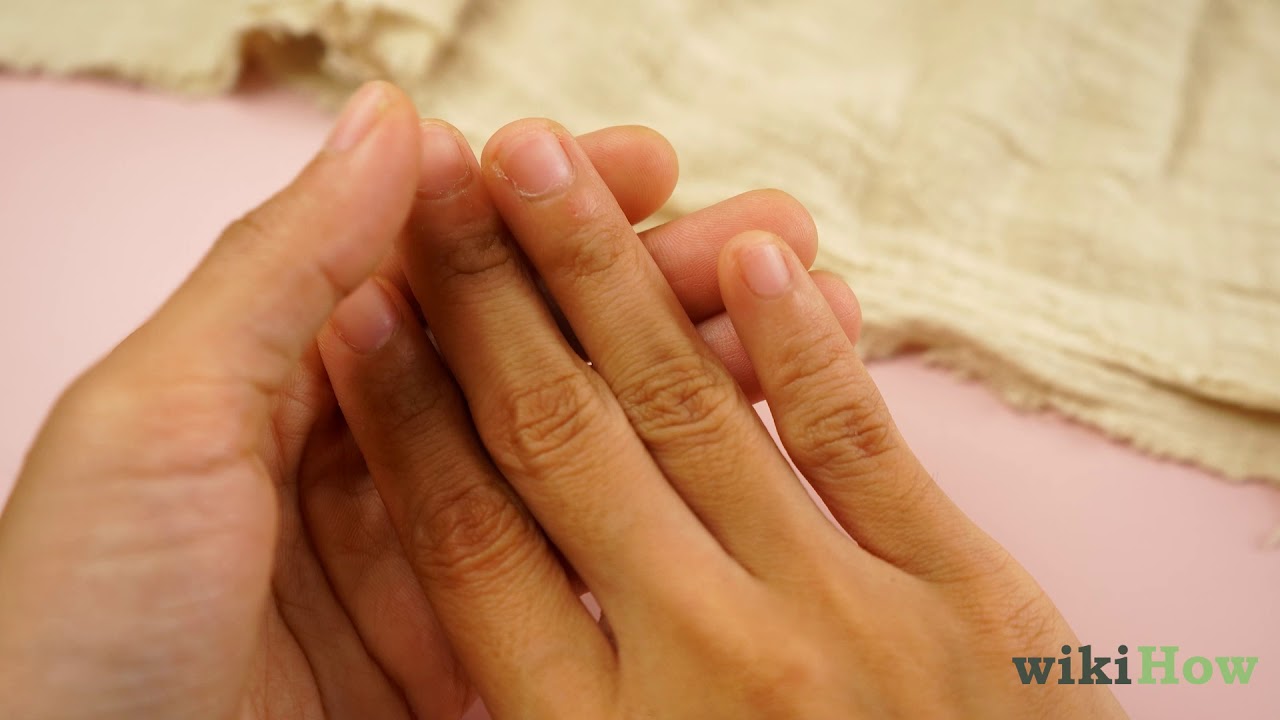
Skin changes on your fingertips – what you can do about them
If you suffer from skin changes on your fingertips, you can quickly and easily treat them with a few home remedies. However, please note that if the symptoms persist, you should always consult your family doctor or a specialist. Only there will you receive a comprehensive examination, advice, and treatment.
- Apply cream to your hands regularly. Your hands need extra moisture, especially after washing them. Therefore, do not wash your hands excessively and use a mild, nourishing hand cream to quickly provide your hands and fingertips with sufficient moisture.
- Always wear good gloves when working with chemicals or gardening. This is the only way to protect your hands from irritating substances and hard surfaces, which can also put a lot of strain on your skin.
- Modern treatment methods, such as special finger crack plasters with hydrocolloid technology, enable moist wound healing. Wearing the plasters can also alleviate your symptoms.
- In winter, make sure you protect your hands adequately from the cold. Always wear gloves in cold temperatures to protect your hands from the cold and drying out.
- If you suspect that your skin problems are caused by an allergy, you should always consult a doctor. Have an allergy test done to clarify the allergic reactions.
- If you suspect an infection or skin disease, you should always consult a doctor. You can start by making an appointment with your family doctor. However, skin diseases and infections can also be treated by a dermatologist.
- Honey has antibacterial and moisturizing properties. Simply apply a little honey to the affected fingertip, massage in gently, and leave on for about 10 minutes. Alternatively, honey can be mixed with natural yogurt to enhance its nourishing effect. Apply the mixture, allow to dry, and rinse off with lukewarm water.
- Maintain a healthy lifestyle to reduce your symptoms. Eat a balanced diet and drink plenty of water or unsweetened tea every day. Also, reduce your everyday stress.