1.3K
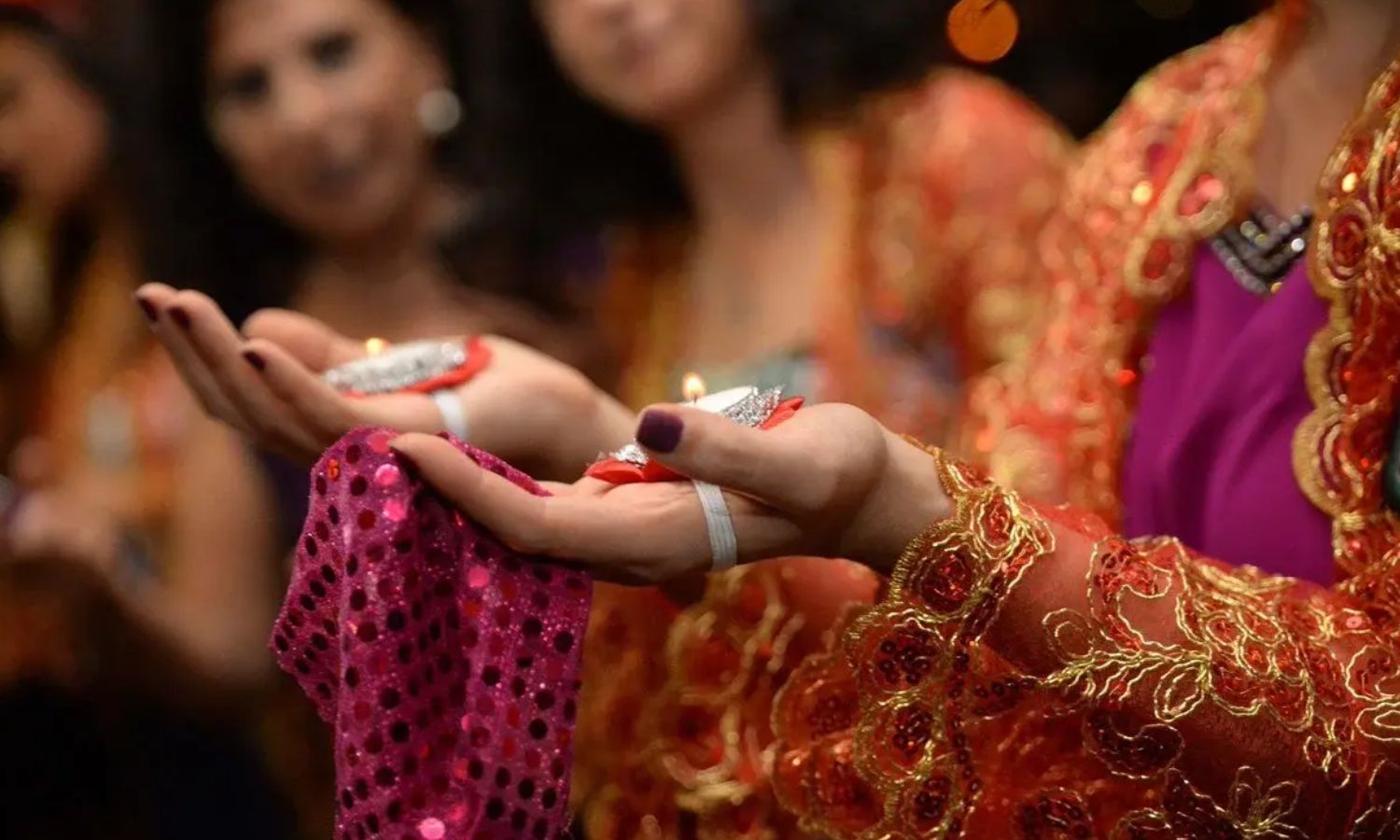
The henna evening (also known as Kına Gecesi) is a wedding tradition from Turkey. The celebration marks the bride’s emotional farewell to her parents’ home and is celebrated with dancing, singing, and various rituals.
Henna Evening: Origin and Meaning of the Turkish Wedding Tradition
Henna Evening is one of the oldest wedding traditions in Turkey. It is characterized by a mixture of joy and melancholy.
- The celebration marks the bride’s departure from her female relatives and her parents’ home. There is dancing, singing, laughter, and eating.
- The henna ceremony itself is the melancholic part of the evening. While the bride, dressed in the traditional red dress (bindalli), has her henna painted on, the other women sing sad songs to mourn her impending separation from her family.
- Many henna rituals have their origins in ancient traditions, in which henna painting was believed to have healing powers and the color red stood for fertility, prosperity, and love.
- The intricate patterns are applied to the bride’s hands and feet. This requires a great deal of experience, as the intricate henna decorations are an important aesthetic part of the celebration.
- Incidentally, the henna evening is not only anchored in Turkish tradition, but is also found in cultures of the Middle East, North Africa, and South Asia. In Turkey, the sequence of events on this traditional evening can vary from region to region.
- However, what all rituals have in common is that they aim to ensure a happy, fruitful, and prosperous marriage for the bride.

The henna evening: ceremony and rituals in detail
Usually, only women take part in the celebration itself. However, in modern interpretations of the festival, men are increasingly being invited to attend. The groom always attends the henna painting ceremony.
- First, the bride celebrates with her family and friends with music and dancing until late in the evening. Then the groom arrives with his family, bringing various dishes and the painstakingly prepared henna for the painting.
- After the bride’s family has eaten and danced together, the traditional part of the evening begins.
- The bride enters the room veiled in a red cloth, following her sister, who carries the decorated henna tray. Everyone present sings sad songs to emphasize the melancholic mood.
- The henna powder is mixed by a happily married woman, who is supposed to pass on her happiness to the bride. The bride is initially reluctant to have it applied and only opens her palm to be painted when her mother gives her a gold coin.
- Only the groom’s little finger is painted with the henna mixture. The guests also paint their palms to share in the bride’s happiness.
- After this part of the celebration, the dancing continues exuberantly and cheerfully until late into the night. In some regions of Turkey, the festival is combined with other celebrations and can last for several days.
- Tips for guests: As a guest, you should choose elegant clothing for the henna party. Dresses are particularly popular, but stylish fabric pants are also a suitable choice.
- A bouquet of flowers or another small gift is a suitable present to bring along. The official gifts are not presented until the wedding.