421
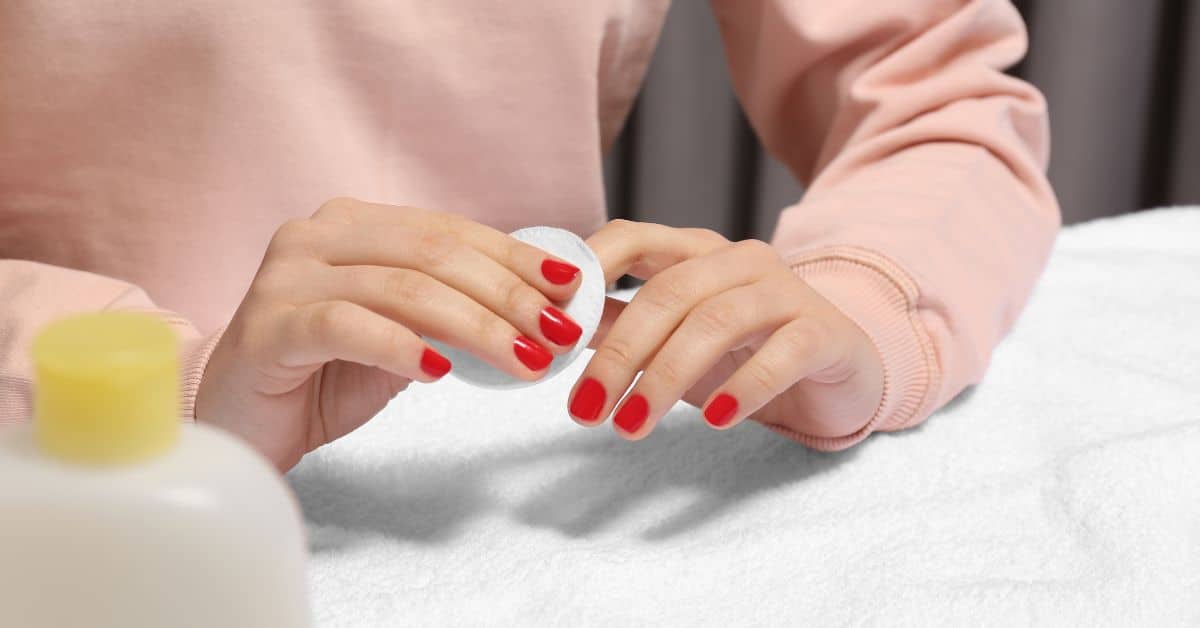
Acetone is a toxic solvent that not only craftsmen frequently come into contact with. The chemical can also be found in households, for example in some nail polish removers.
Acetone: A toxic and dangerous solvent
The solvent acetone has several properties that are harmful to health:
- Acetone strongly degreases and dries out the skin on contact. Prolonged or frequent skin contact with the chemical can cause dermatitis, an inflammatory skin reaction.
- The vapors of the solvent are also harmful to health. Inhalation can lead to dizziness, lightheadedness, headaches, nausea, coughing, irritation of the respiratory tract, and sore throat.
- A high concentration of acetone vapors in the air can cause headaches and drowsiness. In very high concentrations, anesthetic effects and even unconsciousness are possible; however, this is unusual in everyday life.
- Accidental ingestion of acetone-containing liquids can cause gastrointestinal complaints such as nausea and vomiting, as well as other complaints if swallowed.
- There is evidence of damage to the liver, kidneys, and gastrointestinal tract, especially with chronic high exposure, but this occurs mainly with industrial or improper use.
- If you are a DIY enthusiast and have repeated or prolonged contact with acetone, this can have negative effects on your blood and bone marrow. However, there is less scientific evidence for such a direct link; the nervous system and organs are more likely to be affected.
- If you handle acetone and drink alcohol at the same time, the harmful effects on your health may be mutually reinforced.
- The solvent irritates the eyes, causing redness and pain. Prolonged or very intense contact can cause eye damage, including corneal opacity.
- In addition to these health effects, acetone is also highly flammable and can be explosive when it comes into contact with certain other substances, such as strong oxidizing agents.
- Despite the potential dangers, acetone is not considered carcinogenic or mutagenic by international authorities such as the FDA and ECHA.
- To protect yourself from health risks, you should avoid using acetone whenever possible. If this cannot be avoided, for example when using nail polish remover containing acetone, be sure to wear gloves and eye protection and ensure there is a sufficient supply of fresh air. When using products containing acetone, do not smoke or be near open flames due to its flammability.
- Note: Strict limits apply to professional use: In Germany, the occupational exposure limit (OEL) for acetone according to TRGS 900 is currently 500 ppm or 1210 mg/m³ air (time-weighted average for 8 hours per day).

Safe handling, storage, and legal requirements
When using acetone-based products in the home, always ensure good ventilation and consistently avoid direct skin or eye contact – it is best to wear gloves and, if necessary, eye protection. When removing nail polish, it is advisable to use acetone-free alternatives that are gentle on the skin.
- Acetone-based cleaners and nail polish removers must never be used near open flames or while smoking, as acetone is highly flammable. Keep acetone out of the reach of children and always store it in tightly closed original containers in a cool, well-ventilated place away from sunlight.
- Never dispose of acetone-containing products in the sink or toilet; always take leftovers and old containers to your local hazardous waste collection point.
- Alcohol-free and organic products are available as alternatives for more environmentally friendly applications. Acetone is classified as a hazardous substance in Germany and the EU.
- Products containing acetone are subject to clear labeling requirements in accordance with the CLP Regulation (hazard pictogram “flame” and warnings about irritation, H225/H319/H336/EUH066). Anyone who works with acetone in a professional context must also observe the requirements of the Hazardous Substances Ordinance and the corresponding instructions for safe handling.