459
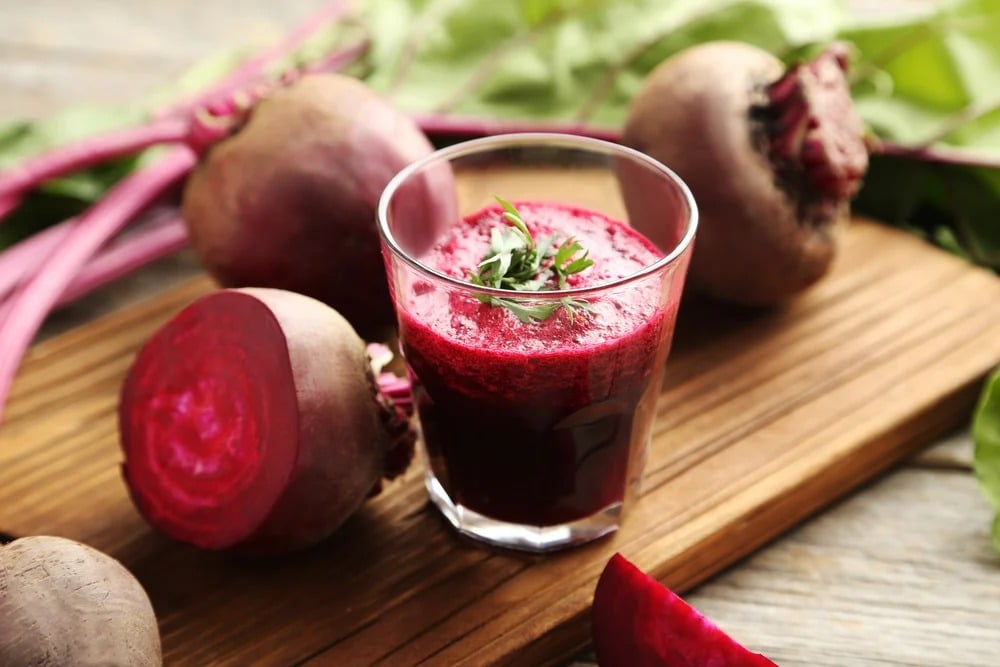
Beetroot juice has a positive effect on the body. It contains many important trace elements and vitamins.
Beetroot juice: How this vegetable drink affects the body
Beetroot, also known as red beet, is a popular winter vegetable. Botanically, the plant belongs to the foxtail family, just like sugar beet. It is not without reason that the juice of this plant is referred to as a power drink.
- To benefit from its effects, all you need to do is drink one glass of this power drink every day. If you do this regularly, it should have a positive effect on your blood pressure. However, beetroot juice not only lowers blood pressure, it can also prevent vascular deposits.
- The nutrients in the vegetable cause the blood vessels to dilate, improving blood flow. For this reason alone, the juice is very popular with many athletes. Why not give it a try and drink a glass about three hours before your workout?
- But even if you don’t feel like jogging through the woods, you can still benefit from improved blood circulation. With well-supplied brain cells, you’ll find it noticeably easier to get through the day.
- However, beetroot juice doesn’t just improve blood circulation. Thanks to its high iron and B vitamin content, such as folic acid, this healthy root vegetable also supports blood formation.
- Ultimately, drinking it regularly minimizes the risk of suffering a stroke or heart attack.
- The intense red color of the vegetable already suggests it: the so-called betanins have strong antioxidant effects and are therefore good for cell protection. They also support liver function.
- In addition, betanins strengthen the immune system. This enables your body to better fight off viruses, such as cold viruses.
- The antioxidants in beetroot, in combination with other nutrients, ensure beautiful skin, hair, and nails. What’s more, 100 milliliters contain just 40 calories.
- Beetroot juice contains important B vitamins, which are essential for the skin and nerves, among other things. Beetroot also scores points with the beauty vitamin A and a good dose of vitamin C. In addition, it contains essential trace elements such as magnesium, calcium, selenium, iron, iodine, manganese, sodium, zinc, copper, and phosphorus.
Beetroot: What you should know before consuming it
Although beetroot juice has some health benefits, the following still applies:
- If you have any pre-existing conditions and/or are taking medication, you should seek medical advice before regularly consuming this vegetable juice.
- If you have blood pressure problems, consult your doctor before consuming this juice in combination with your medication.
- If you have kidney stones, it is better to avoid beetroot altogether, as the vegetable has a high oxalic acid content.

Making beetroot juice
You can easily make the juice yourself. However, you should exercise a little caution when producing this healthy juice. The food industry still likes to use the coloring power of beetroot today. On food labels, beetroot is hidden behind the designation E162.
- Accordingly, it is a good idea to wear an old apron and disposable gloves when handling the root vegetable. Especially if you have a bountiful harvest, a good juicer is an important aid in the production of fruit and vegetable juices.
- Wash the beetroot thoroughly with a vegetable brush. The skin can be processed as well. If it is too hard, peel the beetroot.
- Making juice with a juicer: Put the beetroot in small pieces into the juicer. For a clearer juice, you can filter it through a fine sieve. Add a little water if necessary to adjust the consistency.
- Without a juicer: Place the pieces in a powerful blender and add a little water to make blending easier. Pour the puréed mixture into a clean laundry net. Squeeze the juice into a glass.
- The tuber has a distinctive, slightly earthy taste. However, with a few little tricks, you can easily mask this taste. For example, spice up the juice with apples, carrots, ginger, or lemons to reduce the strong taste.