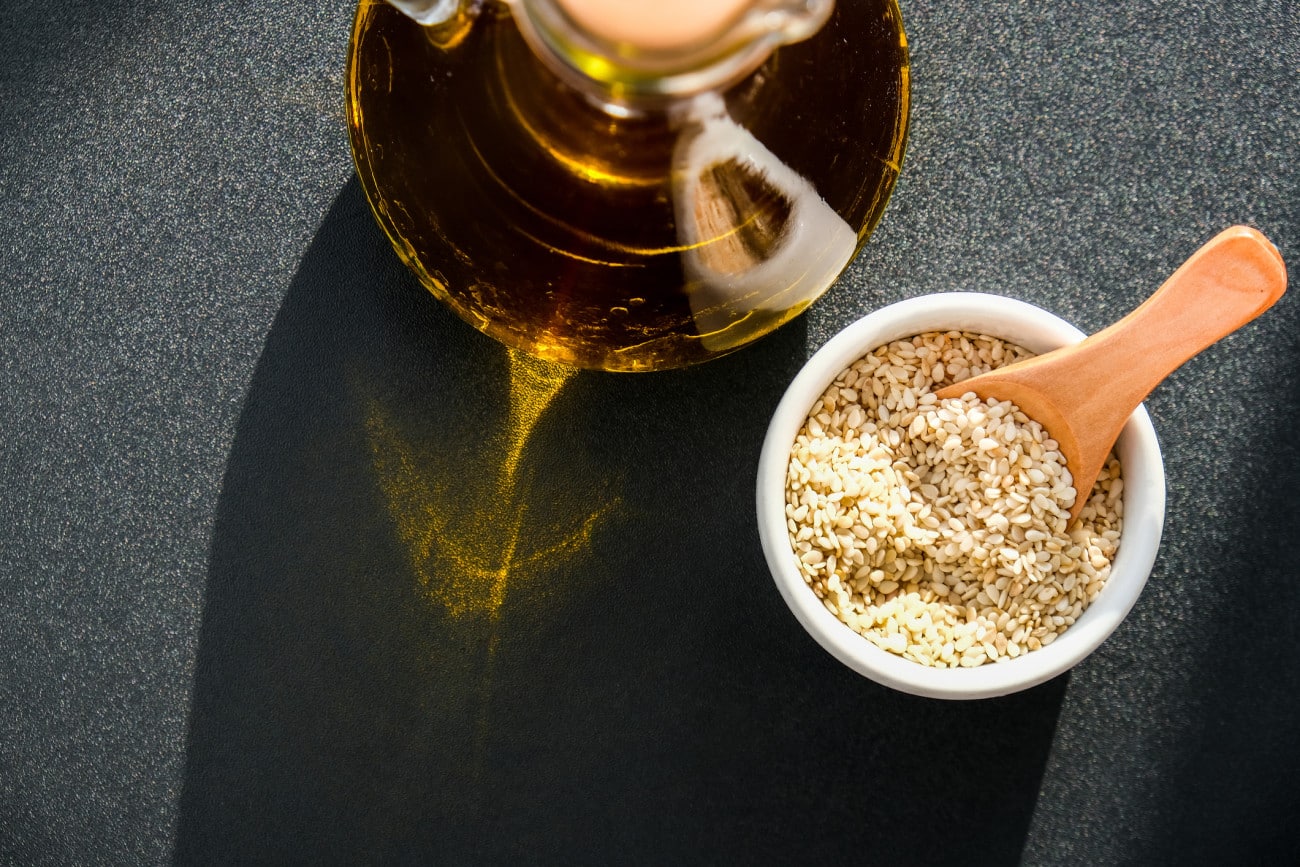
Drinking sesame oil is said to have health benefits. There are different indications as to how much you should use.
Drinking sesame oil: what’s behind it
If you want to drink sesame oil, this means you take a certain amount of the oil pure.
- One recommendation is to take a tablespoon of sesame oil – preferably cold-pressed and virgin – before each meal on an empty stomach.
- Another option is to mix a tablespoon in a glass of water and drink it immediately so that the small droplets of fat are distributed as well as possible after whisking.
- The third option: Take about a tablespoon of oil, but only in your mouth, and move the oil back and forth in your mouth for up to a minute. Then spit it down the drain. This practice is called oil pulling or oil chewing.
Health effects of the oil: what you should know
The health effects of sesame oil taken in addition to the normal diet have not been sufficiently researched. However, there are a number of positive effects resulting from the fatty acid composition and the high quality of cold-pressed, unrefined sesame oil.
- If you expect health benefits from drinking high-quality sesame oil you probably have a specific reason for doing so. You should therefore talk to your doctor about your plans if you have any health problems.
- Sesame oil is rich in antioxidants according to one study they prevent inflammation, promote a healthy stomach and intestines and can alleviate arthritic conditions.
- There is evidence that sesame oil also has a positive effect on the heart and circulation. In one study, sesame oil appeared to have an even more effective effect on blood lipid levels than olive oil.
- Statins, which sesame oil also contains, are known to have a regulatory effect on cholesterol levels. Statins bind cholesterol in the intestine and thus help to excrete it via the stool.
- In another study, it was observed that diabetes patients had better controlled blood sugar levels when they integrated about 35 grams of sesame oil into their meal plan throughout the day.
- Oil pulling with sesame seeds improves the oral flora and – according to the theory – removes harmful substances from the body via the oral mucosa.
Effective tooth and gum protection and a boost in vitality are also possible. This is according to Ayurvedic health teachings, for example.

Recipe from China: strengthening the stomach with sesame oil
This sesame potion based on a recipe from Chinese medicine, which the author Henry B. Lin presents in his book “Chinese health care secrets”, is said to strengthen the stomach.
- Cook about 250 g of rice in plenty of water – without salt – for about 15 minutes.
- Mix 30 ml of sesame oil with about 60 ml of honey using a blender. A good emulsion should form.
- Take a cup of rice water and mix it with the sesame oil and honey emulsion.
- Now you can drink the stomach-friendly drink straight away. Make sure you don’t eat anything beforehand.
- You can consume the cooked rice later.
These are the contents of sesame oil: watch your calorie balance
Sesame oil is fat, that much is clear. When consuming sesame oil regularly, bear in mind that you are consuming a lot of calories. You should keep an eye on this in the overall balance of your diet.
- As with other vegetable oils, 100 grams of sesame oil contains 884 kilocalories according to the nutritional table. A tablespoon of around 10 grams of oil therefore contributes around 88 kilocalories to your daily requirement.
- The fatty acid profile of sesame oil is considered favorable. The proportion of polyunsaturated fatty acids, which are considered particularly beneficial by nutritional medicine, is around 43 percent. Linoleic acid makes up the majority.
- The content of vitamin E (tocopherol) in sesame oil is around 1.1 mg per 100 g.
Compared to other vegetable oils, sesame oil is at the bottom of the list of possible sources of vitamin E in this respect. - Virgin light sesame oil is cold-pressed from unroasted sesame seeds and has a slightly nutty, mild flavor. Dark sesame oil, on the other hand, has a strong aromatic note due to the previous roasting process of the seeds. Choose the light-colored variety when adding sesame oil.