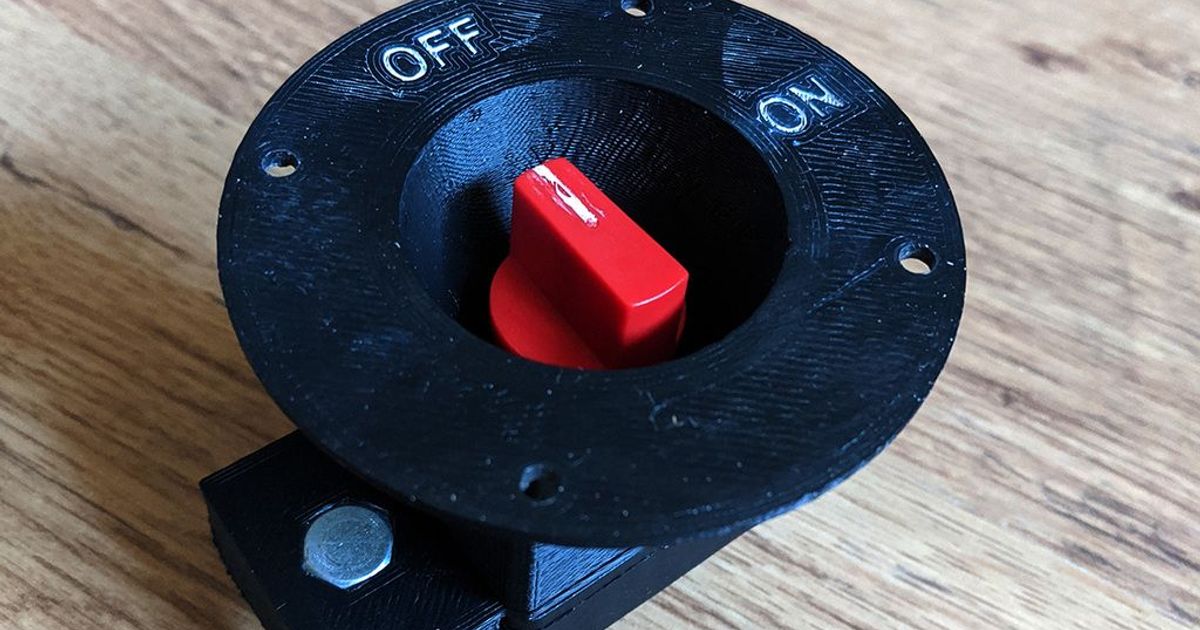
If you want to install a battery master switch in your car, it’s easier than you might think. The component increases theft protection and offers convenience during maintenance work.
Installing the battery master switch: Here’s how
A battery master switch is a simple but very effective component for making your vehicle, boat or motorhome safer and protecting the battery. It allows you to disconnect the power supply with a flick of the wrist – whether for safety reasons, theft protection or maintenance. A battery switch can be used to disconnect the battery from the connected vehicle electrical system.
- You can find a battery disconnect switch in specialist stores or online for around 15 euros. There are rotary switches, toggle switches or remote control systems.
- The switch is connected between the negative terminal of the battery and the vehicle ground. Disconnect the battery from the car or boat first by removing the cable from the negative terminal and then the positive terminal.
- Connect the negative terminal cable to one side of the switch.
- Connect the other side of the switch to the negative terminal of the car battery.
- Reconnect the positive terminal as at the beginning.
- Attention: Never disconnect the power with the switch if the engine is still running. This can cause damage to the electronics of your car and especially the alternator.
When working on the battery, safety first
Working on the vehicle electrical system is never routine – even minor carelessness can lead to short circuits, damage to the electronics or, in the worst case, to fires. Therefore, proceed with the utmost care and observe the following points:
- Disconnect the battery correctly: Always disconnect the negative terminal first and then the positive terminal before starting any work. This will prevent tools or metal parts from inadvertently closing an electrical circuit.
- Use suitable tools: Use insulated wrenches and screwdrivers to minimize the risk of electric shock or short circuits. Never place tools in such a way that they can slip near the battery terminals.
- Avoid short circuits: Ensure that no conductive objects (e.g. rings, bracelets, watches) touch the terminals. Remove any jewelry before starting work.
- Vibration-proof installation: Attach the battery main switch to a stable, low-vibration location. Strong vibrations – for example in boats or off-road vehicles – can lead to cable breaks, loose contacts or cracks in the housing.
- High-quality cables and connections: Use cables with a sufficient cross-section that are designed for the maximum amperage of your on-board power supply. Poor cable quality or cables that are too thin lead to heat generation, voltage losses and, in extreme cases, can cause fires.
- Function test without load: First test the built-in switch with the loads switched off before fully restarting the vehicle electrical system. This allows you to detect sources of faults at an early stage.

Maintenance and function test of the battery switch
To ensure that the battery main switch works reliably over the long term, you should check it regularly:
- Operate the switch at regular intervals to prevent corrosion on the contacts.
- Check the cable connections for tightness at least once a year.
- Remove any dirt and treat contacts with special contact spray if necessary.