461
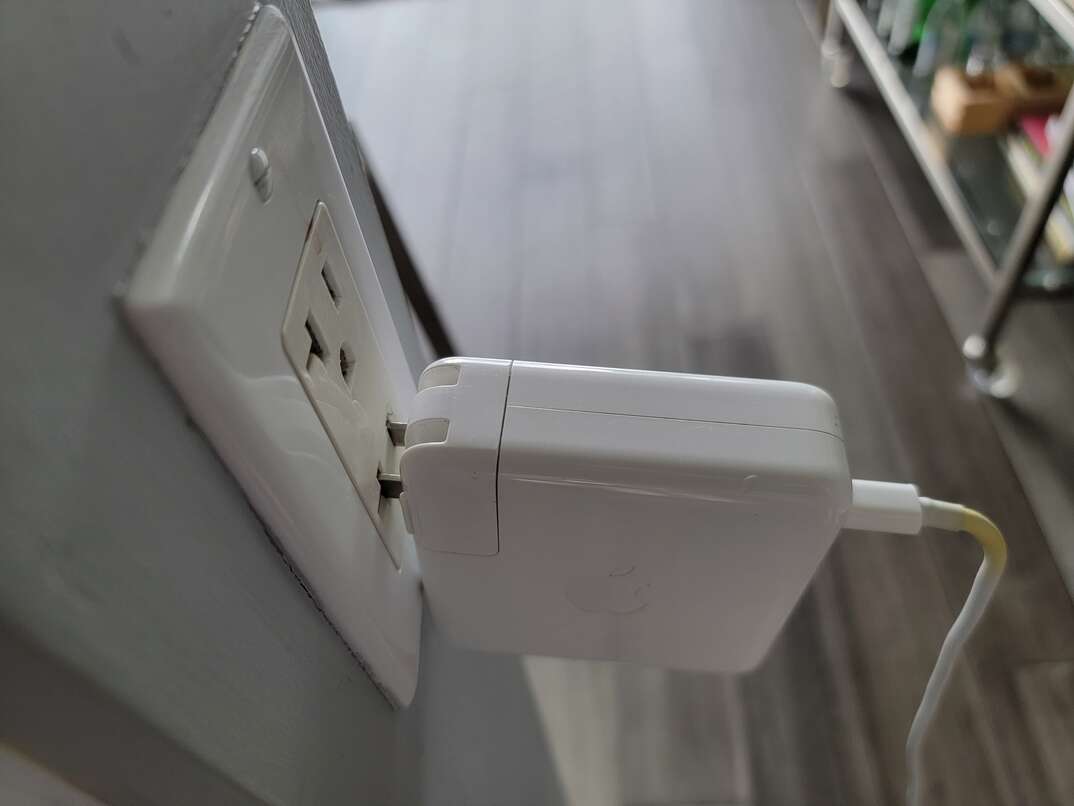
If the plug won’t fit into the socket, there could be several reasons for this. Often, it is due to increased touch protection.
Plug won’t fit into socket: Possible causes
If the plug of your electrical appliance does not fit into a socket, the following causes may be responsible:
- In most cases, this is due to the increased touch protection. This is an additional safety feature inside the socket that acts as an extra safeguard. If the plug is not inserted correctly, the socket will block.
- To ensure that the plug fits into the outlet with the touch protection, you must insert both contact pins into the holes at the same time. Then press the plug evenly into the outlet to bypass the safety feature.
- If it is not due to the touch protection, check the socket for dirt or objects that may be in the holes. Remove these afterwards.
- It may also be that the contact pins are broken and are positioned incorrectly when inserted. In this case, you should replace the plug, as it is no longer safe to use.
- Sockets with a specific IP protection class, such as IP 44, are often only compatible with plugs of the same protection class. This means that other plugs simply do not fit into the socket and you will need to switch to a different one.

Plug does not fit into socket: Check compatibility
If the plug does not fit into the socket, this may be due to a lack of compatibility.
- In Germany, type C and F sockets (“Schuko”) are used. Only devices with the same type of plug will fit into these.
- Many countries use different types of sockets. If you are traveling to the United States, for example, you will need a travel adapter to use your devices, as the sockets will not work with your domestic devices.
- Travel adapters act as a bridge between the outlet and the plug. However, you cannot simply use your devices like this. #BBD0E0 » 5 the editor