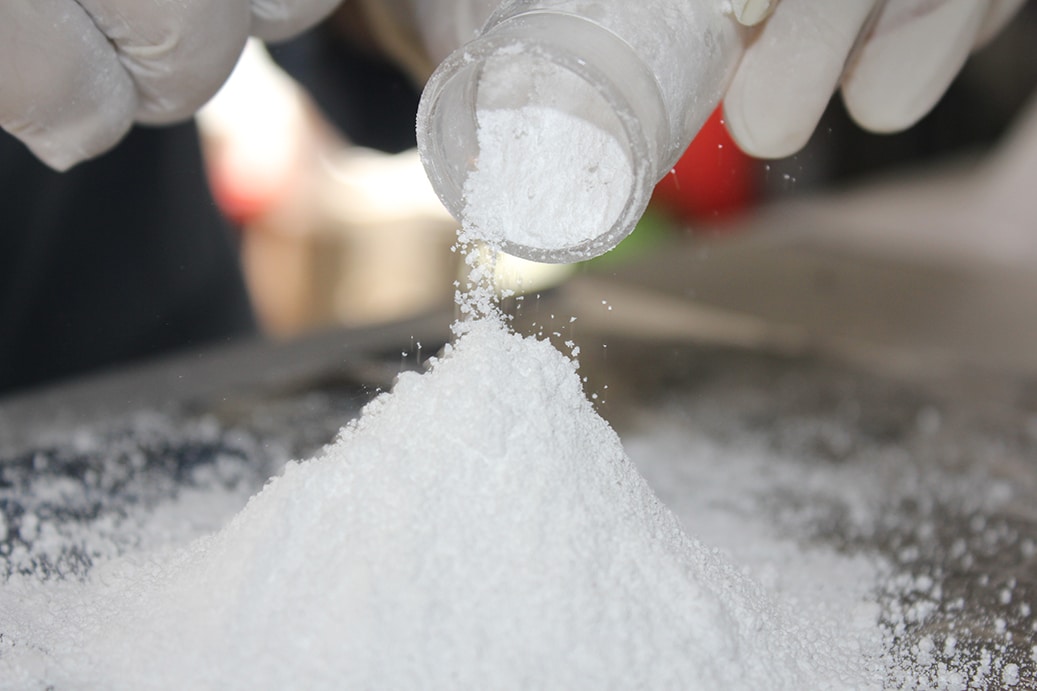
Sodium benzoate: Properties & effects
Soap, creams, shampoo, ketchup, sausage, valerian tablets: Sodium benzoate is found in a wide range of cosmetic products and foods. It occurs naturally in small quantities in honey and various berries such as cranberries and blueberries. The chemically produced additive is odorless and water-soluble, making sodium benzoate the most widely used preservative worldwide for a wide variety of products and even medicines.
- Sodium benzoate, also known as sodium benzoate, is the sodium salt of benzoic acid. Benzoic acid occurs naturally in the resin of the styrax tree, which grows mainly in India and Malaysia.
- The salt has a preservative effect and inhibits the growth of bacteria and fungi. This makes food and cosmetics last longer.
- It also has a masking effect. This means that the inherent odor of a product is reduced by the use of sodium benzoate, which is why it is found in many perfumes and other products that are supposed to smell good to you.
- Due to its high flammability, the salt is often even used in pyrotechnics. For this purpose, it is usually mixed with potassium perchlorate.
- Sodium benzoate is also used in medicine. It is used in emergency medications for conditions that result in high levels of ammonium in the blood, which can lead to brain damage.
Risks of sodium benzoate
Although sodium benzoate is used in many different ways and even occurs naturally in small quantities, you should not consume more than five milligrams per kilogram of body weight per day. For an adult male, this corresponds to a dose of about 0.04 grams. You can find out where the substance is contained by looking at the packaging, either by the full name or the designation E211.
- Sodium benzoate can cause reactions in people with allergies. This can result in cramps and digestive problems. Asthmatics may even be at risk of asthma attacks and fever. You can find out whether you are allergic to the salt by having an allergy test carried out by your family doctor.
- The substance is currently considered safe for the human body. However, in recent years there have been serious concerns that the salt affects the nervous system and is capable of causing ADHD symptoms.
- Sodium benzoate is even said to have mutagenic properties. However, neither of these suspicions has been conclusively proven.
- There is a particular risk when vitamin C and sodium benzoate are combined, as is the case in soft drinks with added vitamin C. This can lead to the formation of carcinogenic benzene.
- It has also been found that the salt is harmful to animals when used as a preservative in animal feed. The substance can be fatal, especially for cats.