133
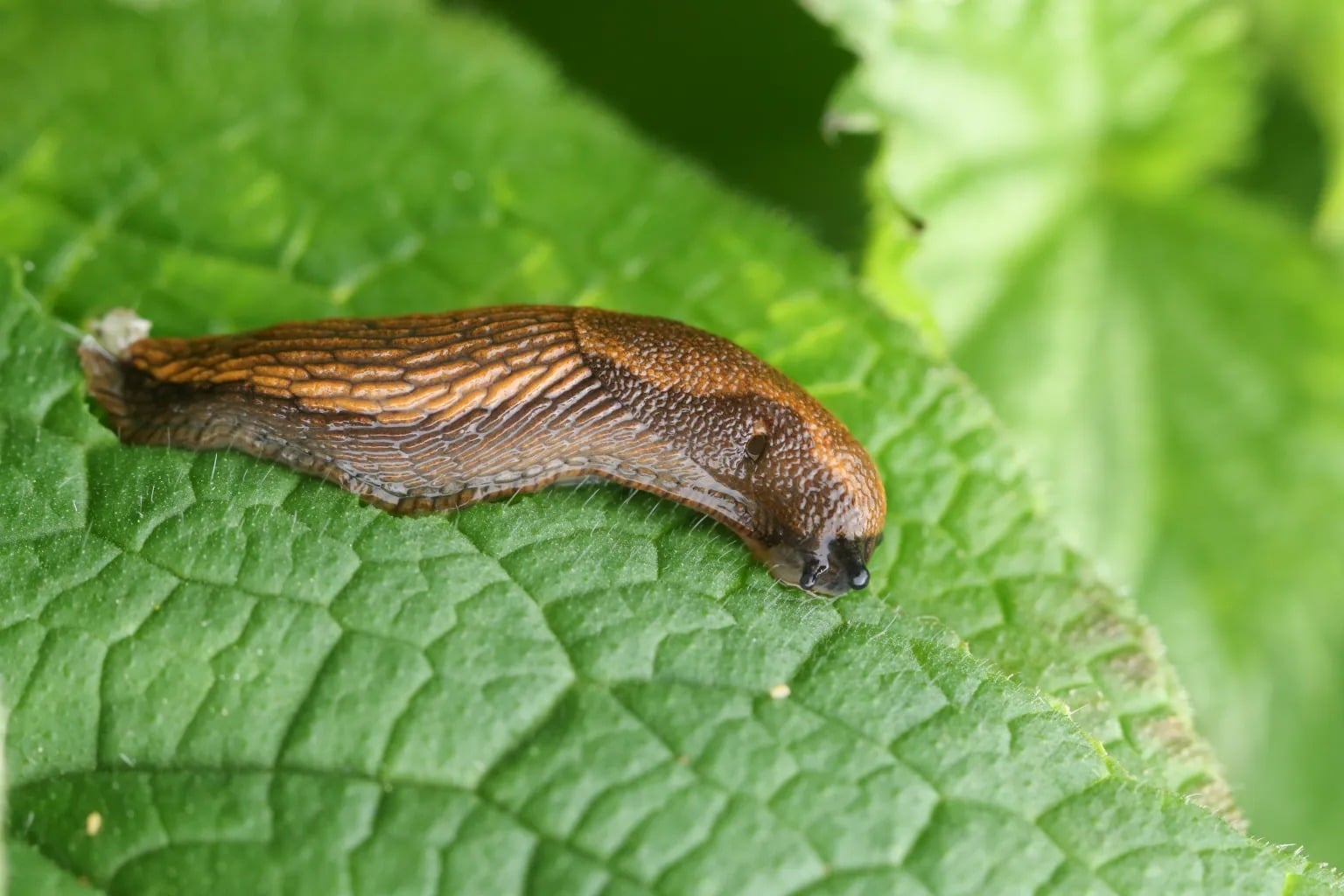
Slugs are not usually poisonous. However, these creatures often serve as hosts for worms and other parasites. This can be particularly dangerous for dogs.
Slugs are not poisonous
Slugs in the garden are usually unwelcome cohabitants that protect themselves from predators with a tough slime or bitter substances in their skin.
- Native slugs do not have their own venom and are harmless to humans. Caution: Some exotic slug species, such as certain tropical varieties, can be poisonous. However, such species do not usually occur in Central Europe.
- The slime may be a little disgusting to some, but it is not poisonous to humans. Nevertheless, slugs should not be touched with bare hands. The reason: the slime sticks stubbornly to the skin and is difficult to remove despite intensive and proper hand washing. In addition, the animals can transmit bacteria and diseases.
- Both slugs and snails can be dangerous to dogs. Although the slime itself is not toxic to pets, snails are popular hosts for parasites. Among other things, lungworms (Angiostrongylus vasorum) and other parasites such as rat lungworm (Angiostrongylus cantonensis), but not classic heartworms (Dirofilaria immitis), can colonize snails.
- Heartworms are typically transmitted by mosquitoes in Europe, not snails. If a dog eats the slime or the snail, it can become infected with these parasites. The parasites flood the dog’s body, which can lead to death.
- This also applies to cats. The parasites migrate through the animal’s body and can cause severe organ damage. It is therefore advisable to keep pets away from snails and to consult a veterinarian as soon as possible if an infection is suspected.
- By the way: Humans can also become infected with certain parasites transmitted by snails (e.g., rat lungworm, Angiostrongylus cantonensis). We humans are usually accidental hosts for these parasites, but in rare cases, serious illnesses can occur, such as eosinophilic meningitis caused by rat lungworm. However, humans are accidental hosts for classic heartworms (Dirofilaria immitis), in which the parasites cannot develop fully and usually die.

Hygiene tips and precautions
After contact with slugs or after gardening, you should wash your hands thoroughly with soap and water.
- Even if you grow your own vegetables and fruit in your garden, you should wash them thoroughly before eating them to remove any germs or parasites. These measures are particularly important because slugs can be carriers of parasites and bacteria.
- Slugs can transmit parasites such as rat lungworm or bacteria. Rat lungworm is particularly prevalent in tropical and subtropical regions, but has now also been detected in southern Europe.
- Infection in humans is rare, but can occur through the consumption of raw or inadequately cleaned fruit or vegetables that have been in contact with slugs or their slime.
- Typical symptoms include headache, nausea, vomiting, and in severe cases, eosinophilic meningitis, better known as meningitis. Certain bacteria, such as salmonella, can also be transmitted by snails. Therefore, hygiene is particularly important when handling snails and garden produce.