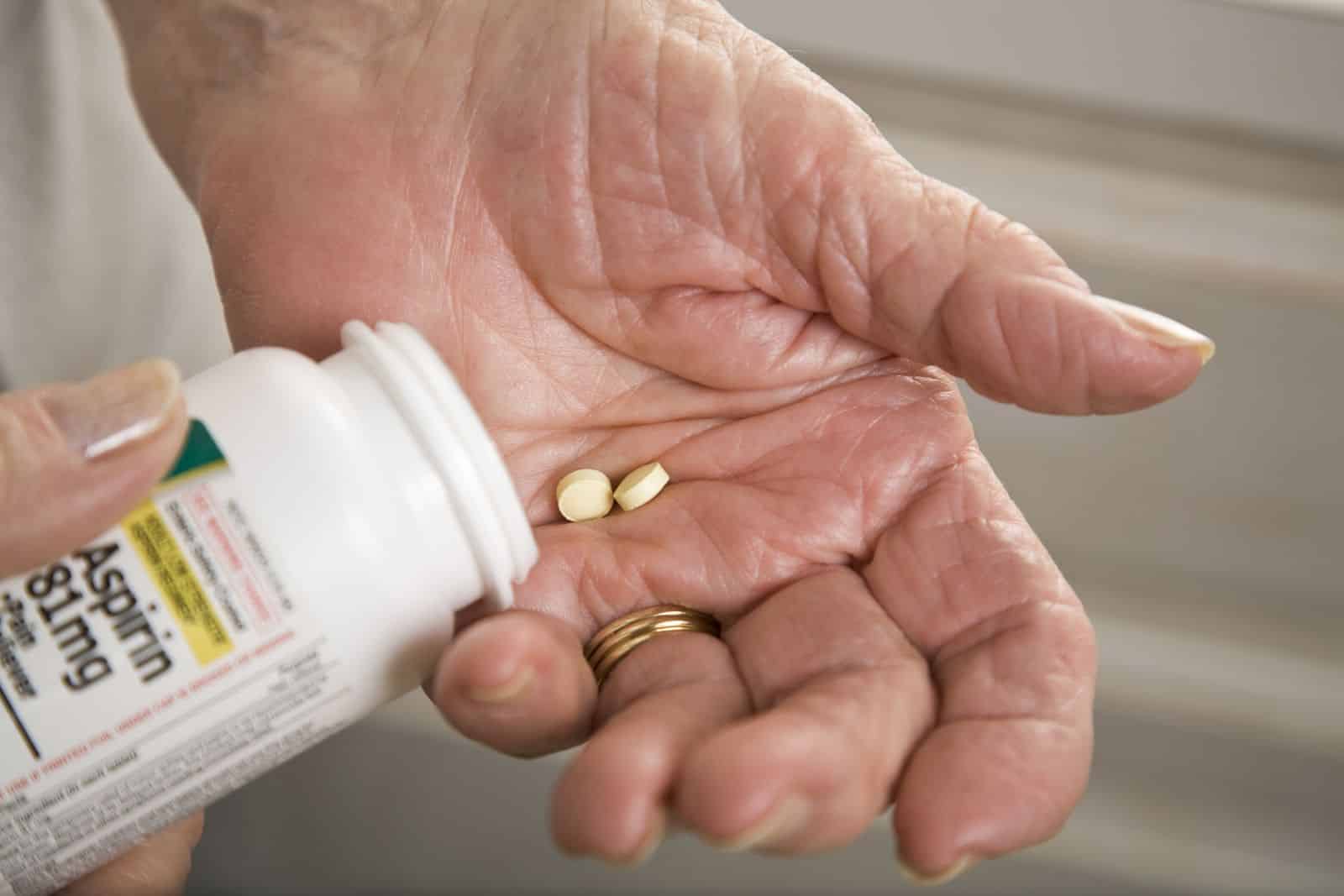
If aspirin has expired, you should not simply take it. Otherwise, in addition to a reduced effect, you may also have to reckon with other risks.
Expired aspirin: These are the risks
Aspirin is a medication that you can take to relieve mild to moderate pain. It is therefore an analgesic. The active ingredient acetylsalicylic acid (ASA) also reduces fever and inflammation. Aspirin is considered “expired” when the expiration date indicated on the packaging has passed.
- Taking aspirin after this date is not without risk. Not only may it fail to have the full effect, as the active ingredient degrades or chemically changes over time.
- At the same time, such a change can lead to undesirable side effects, such as irritation of the stomach lining, nausea, or—in the case of damaged tablets—even allergic reactions. This is particularly critical for high-risk groups.
- Bayer itself advises storing aspirin below 30 degrees Celsius to ensure its effectiveness. They also recommend not taking expired aspirin. To ensure that aspirin lasts until the specified expiration date, you should also store it not only in a cool place, but also in a dry place protected from light—ideally in its original packaging. The bathroom is unsuitable because it often has high humidity, as is the kitchen due to temperature fluctuations.
- The reason: over time, especially when aspirin becomes moist, its ASA decomposes into salicylic acid and acetic acid. Salicin itself is a mild analgesic. Acetic acid can cause nausea. If you are suffering from a hangover, it is better to stay away from expired aspirin.
- Fun fact: The salicin from the ASA compound is also found in the anal gland secretions of beavers—known as castoreum.
- Manufacturers must, of course, ensure that their medications remain fully effective when stored correctly until their best-before date. However, it is in their interest for more medications to be purchased than used – so that you don’t use up the product, throw it away, and have to buy a new one. As the state of research and market readiness of medicines is constantly changing, it is also common practice not to specify a shelf life of more than 5 years.
- Important note: Our practical tip is no substitute for consulting a pharmacist or doctor. You are responsible for your own actions when taking medication.
- Once opened, the shelf life is significantly reduced, even if the date on the packaging is still in the future.
Important information for risk groups
Pregnant women, elderly people, chronically ill people, and people with blood clotting disorders should never take expired medication—especially preparations such as aspirin, which can interfere with metabolism and inhibit blood clotting.
- Pregnant women are at increased risk of bleeding and complications. In older people, unexpected interactions with other medications may occur.
- People with chronic illnesses, such as cardiovascular or gastrointestinal diseases, should be particularly cautious, as expired aspirin can cause stomach irritation or undesirable side effects.
- If you are unsure, you should consult your doctor or pharmacist.
- However, if aspirin has expired, you should not take it and should instead get a new pack.

Disposing of expired medication correctly
A medication is definitely expired if the expiration date has passed, but also if it has changed in appearance, smell, or consistency—i.e., if it has discolored, become sticky, or crumbly. However, expired medications should not be disposed of in household waste or flushed down the toilet.
- This is because the active ingredients can then enter the environment or groundwater.
- Instead, take old medicines to pharmacies, which usually accept them back voluntarily, or to municipal hazardous waste collection points or recycling centers.
- Some cities have special collection campaigns for returning medicines. If in doubt, ask your local authority or pharmacy.