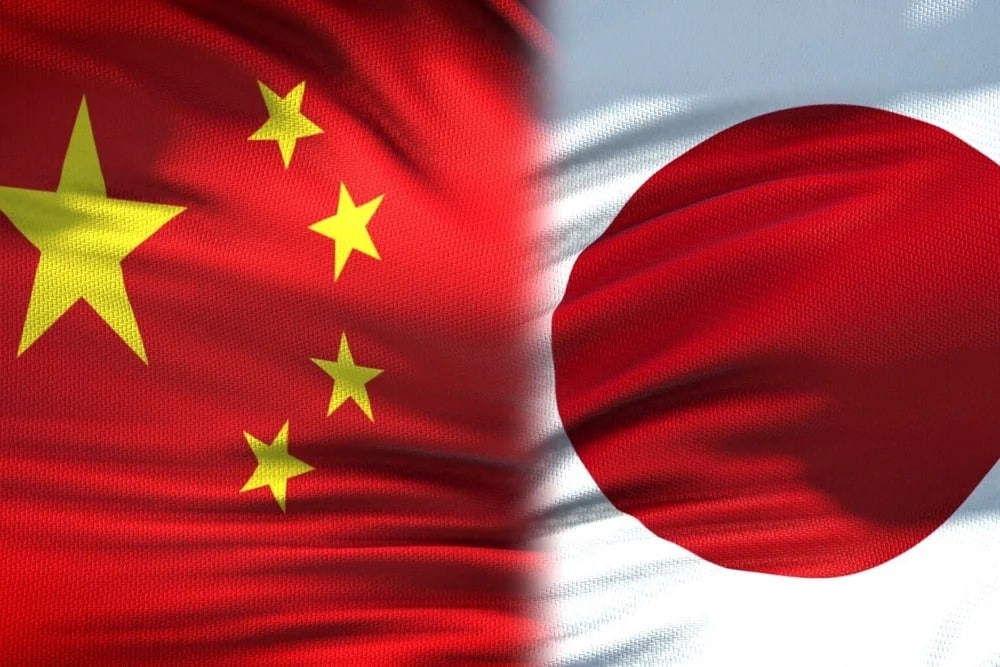
Japanese and Chinese people have many cultural differences that are reflected in their traditions, language, and way of life. A deeper understanding of these nuances can help to avoid misunderstandings and appreciate cultural diversity.
What are the cultural differences?
Although geographically close and historically linked, the Japanese and Chinese differ in many cultural aspects. These differences are important for a better understanding of the respective cultures.
- Japanese people place great importance on politeness and formality, while Chinese people tend to prefer direct communication.
- In Japan, group membership is central, whereas in China, individual achievements are emphasized more strongly.
- Japanese architecture is characterized by minimalism and a closeness to nature, while Chinese buildings are often richly ornamented.
- Japanese cuisine is known for its variety and aesthetics, while Chinese cuisine captivates with its regional diversity and strong flavors.
How do the languages differ?
Language is another significant difference between Japanese and Chinese. Both cultures have their own complex writing systems and languages.
- Japanese uses three writing systems: kanji, hiragana, and katakana, while Chinese is mainly based on hanzi.
- The Japanese language has many levels of politeness, which are less pronounced in the Chinese language.
- Phonetics and tonality differ greatly, as Chinese is a tonal language, while Japanese is not tonal.
- The Chinese language has many dialects that differ greatly from each other, while in Japan, standard Japanese (High Japanese) is used nationwide.

What traditional festivals are there?
Traditions and festivals are an essential part of cultural identity in both Japan and China, but they differ considerably.
- Japan celebrates New Year’s Day with visits to temples and traditional games, while in China, New Year’s Day is celebrated with fireworks and family dinners.
- Hanami, the cherry blossom festival in Japan, emphasizes the transience of beauty, while the Dragon Boat Festival in China has its roots in historical legends.
- Japanese tea ceremonies are a symbol of tranquility and harmony, while Chinese tea ceremonies emphasize health and social interaction.
- In China, ancestor worship and the Qingming Festival are central, while in Japan, ancestor worship is less present in everyday life.
How do lifestyles and societies differ?
Lifestyles and social norms in Japan and China differ in many ways, which is reflected in everyday life and work.
- Japanese work culture is characterized by long working hours and teamwork, while in China, flexibility and individual initiative are emphasized more.
- In Japan, public behavior is strongly influenced by social norms and restraint, while in China, direct communication and liveliness are common.
- Japanese people place great importance on punctuality and order, while in China the concept of time and planning is often handled more flexibly.
- Japanese society is known for its high level of social discipline and cleanliness, while Chinese society is often characterized by its dynamism and adaptability.