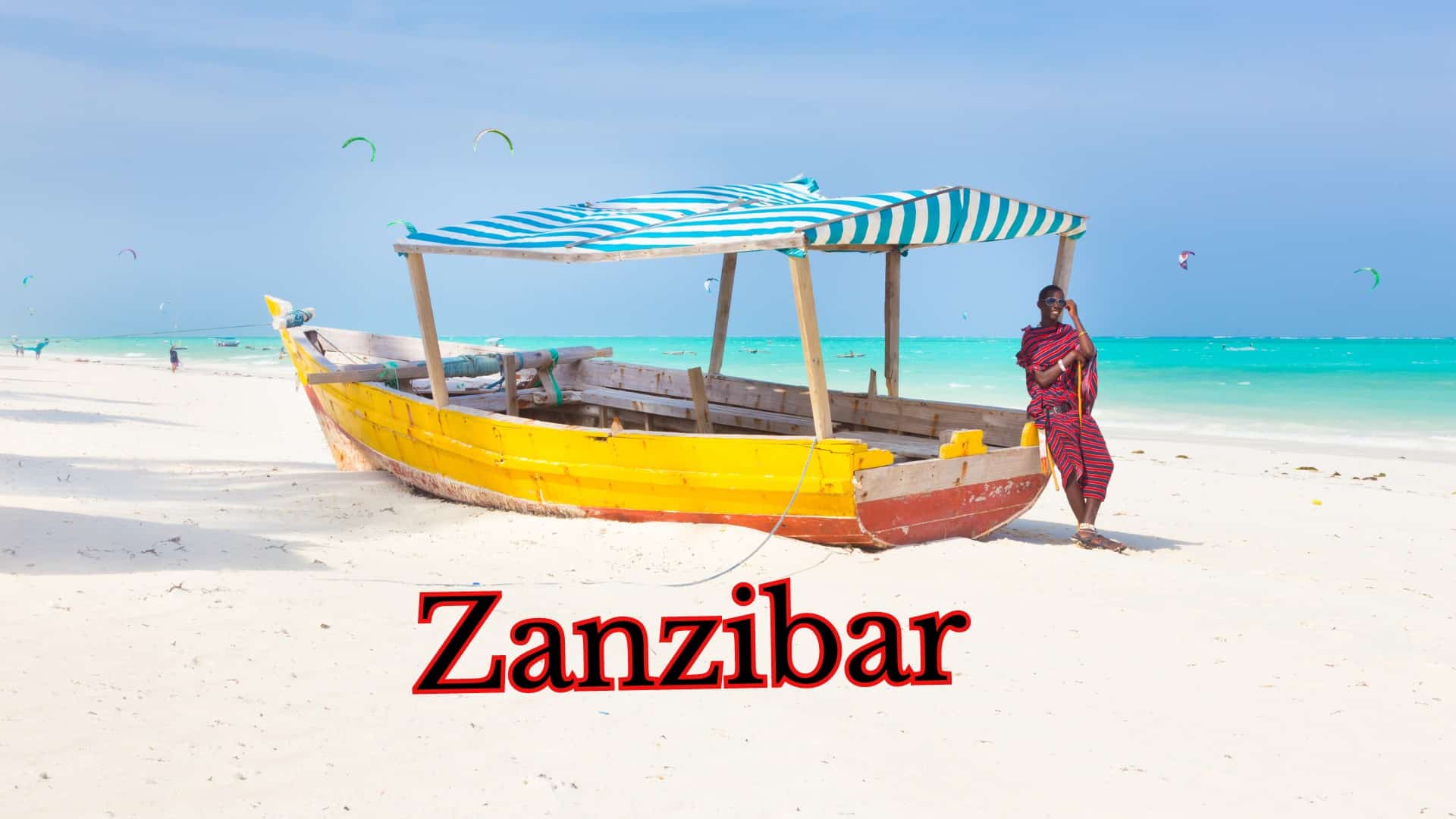
Zanzibar is not dangerous: Safety and crime
Although Zanzibar is not considered a high-risk area, travelers should take general safety precautions:
- Petty crime: Occasional pickpocketing and burglaries occur, especially in tourist areas such as Stone Town or on popular beaches. Leave valuables in the hotel safe and avoid walking alone at night.
- Fraud and tourist traps: Be wary of overpriced offers for taxis or excursions. Official providers and price comparisons help to avoid misunderstandings.
- Terrorism: The risk of terrorist attacks is low nationwide, but cannot be ruled out. The Tanzanian authorities are vigilant. Avoid large crowds, especially in Stone Town or at religious events. Check regularly for the latest travel advice (e.g., from the State Department).
Health and medical care
If you are well prepared in terms of health, you can enjoy your trip without any worries—because some tropical risks can be easily avoided.
- Malaria & dengue fever: Zanzibar is a malaria risk area (especially Plasmodium falciparum) and increasingly also for dengue fever. It is strongly recommended that you seek medical advice before traveling. Mosquito protection (long clothing, mosquito nets, insect repellent) is essential.
- Vaccinations: Recommended vaccinations include hepatitis A/B, typhoid, rabies (for longer stays), yellow fever (when entering from endemic areas), and COVID-19.
- Tsetse flies in national parks: These can transmit trypanosomiasis (sleeping sickness). Avoid wearing black and blue clothing, as these colors are particularly attractive to the flies.
- Medical infrastructure: There are private clinics of an acceptable standard in Stone Town and the surrounding area in Zanzibar. However, in serious emergencies, it may be necessary to travel to Dar es Salaam or abroad. Travel health insurance with repatriation is therefore essential.
Entry and visa requirements (as of August 2025)
Entering Zanzibar is straightforward – provided you take care of your visa and travel documents in good time.
- Visa: Many nationalities require an e-visa, which can be applied for online in advance. In some cases, a visa on arrival is also available upon arrival – the website of the Tanzanian immigration authorities provides up-to-date information.
- Passport: Must be valid for at least 6 months upon entry.
- COVID-19: Currently, no proof of vaccination or testing is required. However, depending on the situation, short-term regulations may apply – please check with the Tanzanian Ministry of Health or the U.S. Department of State before departure.

Cultural characteristics & recommended behavior
Respect local customs and traditions, especially during Ramadan.
- Religion & everyday life: Around 95% of the population of Zanzibar is Muslim.
During the fasting period (Ramadan) and in religious centers such as Stone Town, you should refrain from eating, drinking, or smoking in public.
- Clothing: Wear modest clothing outside of beach resorts. Bikinis and shorts are acceptable on hotel beaches, but are inappropriate in villages or in the city.
- Alcohol & affection: Consuming alcohol in public is not customary and may be considered disrespectful. Intimate gestures such as kissing in public should be avoided.
Sustainable tourism & current travel tips
Zanzibar is not only known for its beaches, but also for its cultural diversity (e.g., Stone Town, a UNESCO World Heritage Site) and nature experiences such as the Jozani Forest or dolphin watching. When choosing such activities, pay attention to sustainability—i.e., providers who do not harass wild animals or keep them in captivity.
- Sustainable offers: Look for eco-lodges, local providers, and community tourism projects. Many hotels are committed to environmental protection (e.g., plastic-free service, solar energy).
- Tourist highlights: Snorkeling, spice tours, Jozani Forest, Stone Town (UNESCO World Heritage Site), and dolphin watching. Please avoid providers who treat wild animals such as turtles or dolphins unethically.
- Rules of conduct in everyday life: Friendliness and restraint are appreciated. Ask for permission before taking photos of people. Buy handicrafts and souvenirs directly from local artists whenever possible.