418
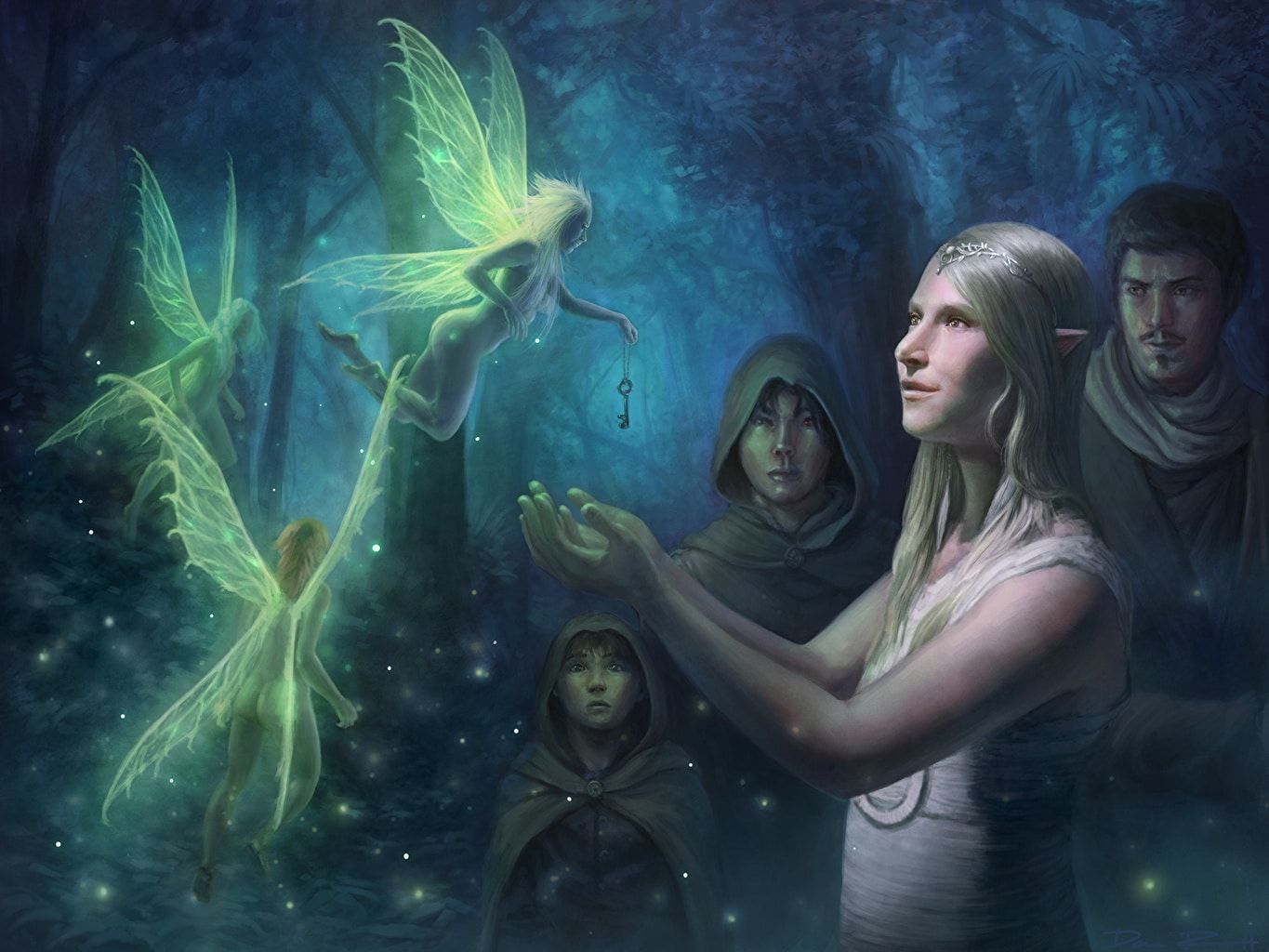
Elves and fairies are often used synonymously, but there are striking differences between these nature spirits.
Differences between elves and fairies: These are elves
Elves can be found in numerous fantasy worlds today, from Terry Pratchett’s Discworld to J. R. R. Tolkien’s Middle-earth. However, these mythical creatures originally come from Norse mythology.
- Elves are also known as Albes or Elves, and there are various theories as to where these terms originate. According to some sources, similar words from older languages mean “light and mist creatures” or ‘craftsmen’ and “magical helpers.”
- Elves were considered nature spirits and skilled smiths. The Norse collection of legends, Edda, also distinguishes between light, dark, and black elves. Light elves were portrayed predominantly in a positive light; they are more beautiful than the sun and were associated with fertility. They are also said to live in heaven.
- The black elves, on the other hand, had predominantly dark characteristics. They live underground and are blacker than pitch. Dark elves are viewed just as negatively and are considered a hybrid between light and black elves.
- This view changed in the Middle Ages. From then on, all elves became evil creatures that caused nightmares and were on a par with evil dwarves, incubi, and succubi.
- Today’s conception of elves is strongly influenced by Tolkien’s model, in which elves are human-like beings who are immortal, extremely intelligent, strong, and skilled, but not flawless.
- In other fantasy worlds, elves are often seen as nature-loving and peaceful creatures who only take up arms in self-defense. Elves are often depicted with pointed ears, are musically gifted and petite. They are also said to possess magical abilities and are sometimes depicted with wings.
- In Terry Pratchett’s Discworld, there are mean and playful elves who are sensitive to iron. This aversion to metal has also been adopted in other stories, so that elves have developed an aversion to the forging dwarves.

The characteristics of fairies
The best-known fairies are probably the tooth fairy, Tinkerbell, and the fairies in Grimm’s fairy tales, such as Sleeping Beauty. In fact, fairies actually originate from Romanic and Celtic folk tales. Whether fairies exist has always been a question that has preoccupied people.
- Fairies have different names depending on the region and era. In the Middle Ages, they were called Feien, in Slavic regions Wilen, and on some islands Sidhe. Their name could come from Latin, as the words fatua and fatum translate as “fortune teller” and “fate” respectively.
- These creatures are compared to the Roman goddesses of fate and have the ability to grant wishes, determine the fate of newborns, and bring happiness and joy to children and adults alike. They often appear in threes, but sometimes also in groups of seven or twelve.
- Many fairies are depicted as small, ghostly mythical creatures with magical powers who can make themselves invisible at will. This means that they only appear to certain people. Even today, there are still fairy sightings, especially in Ireland.
- In Celtic tales, fairies live in rocky gorges or caves, in forests, and near bodies of water and springs. They are also considered a nature-loving people who enjoy dancing and leaving behind so-called fairy rings. Fairy rings are clusters of mushrooms that sprout from the ground in a circle.
- Most fairies are considered cheerful and beautiful creatures that do not age and are symbols of goodness. They are therefore often compared to light elves or considered a subspecies of elves. Fairies are also often depicted with wings.
- In some stories, there are evil fairies who cause illness and cast curses that no other fairy can remove. Evil fairies are also responsible for kidnapping children.