484
Many puffballs are delicious edible mushrooms, but there is a risk of confusion. This is because the puffball also has a deadly doppelganger.
Finding and recognizing puffballs: Characteristics and locations
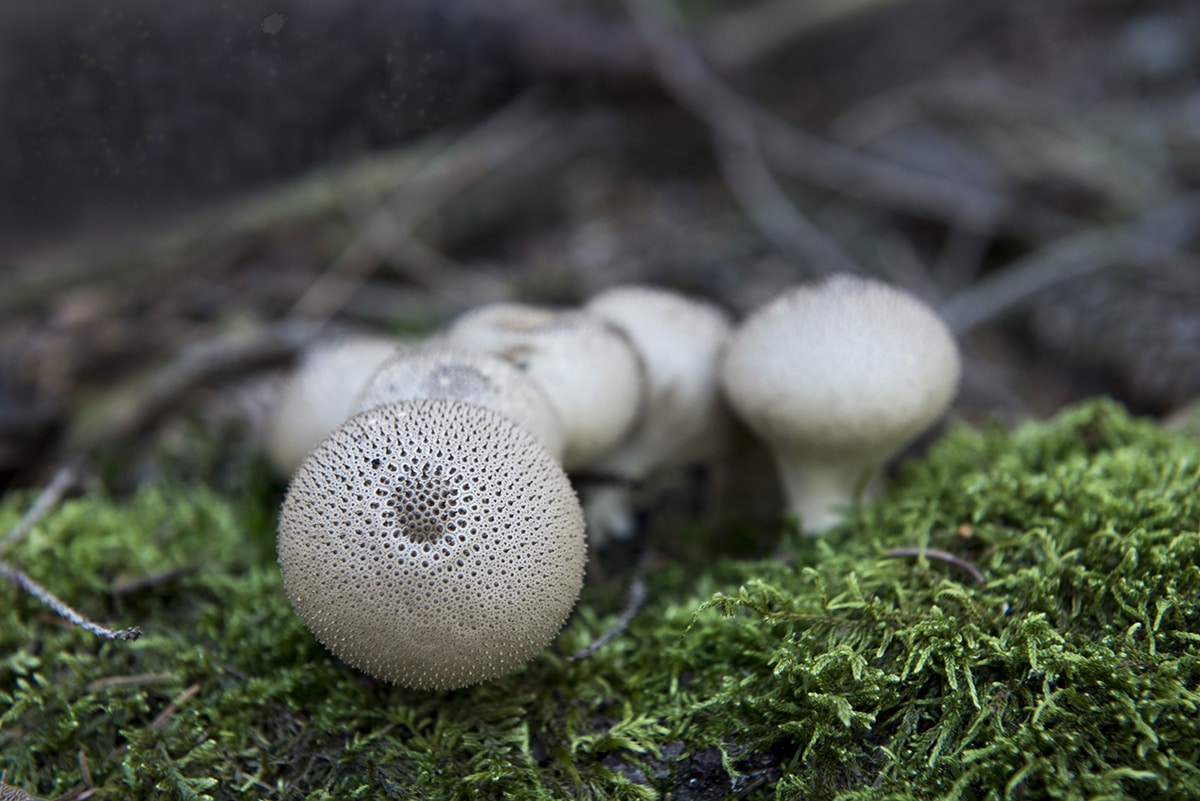
Puffballs are a genus of mushrooms that can be found all over the world. There are over 50 species in total. These mushrooms can also be found in Europe. Here you can find out where to find puffballs and how to identify them.
- Puffballs thrive in parks, meadows, and pastures. They also like sandy soil. They are particularly common near nettles, as these have similar habitat requirements.
- Puffballs come in different colors and shapes. The giant puffball is particularly suitable as an edible mushroom. It looks very similar to a button mushroom, but can reach a diameter of up to 60 cm. Individual specimens can weigh up to 10 kg.
- The heath puffball is also an edible puffball. It looks very similar to a champignon. However, not all specimens are snow-white in color; there are also cream-colored mushrooms. The flesh is always white, however.
- As a rule of thumb, puffballs with snow-white flesh that do not have gills are edible. However, some specimens, such as the potato puffball, can also be white when young. These are poisonous, however.
- If you want to collect puffballs for consumption, you should join a mushroom excursion. Here, you can go on a collecting tour with an expert and learn how to distinguish between different types of mushrooms.
Using puffballs in the kitchen: the best ideas
Edible puffballs can be used in many different ways in the kitchen. They can be used in the same way as mushrooms. They have an extremely mild flavor. Older specimens turn olive brown or yellow and begin to smell unpleasant. They then become bitter and inedible.
- The name puffball is derived from the name “Vohenvist” used in the past. This means something like “fox fart.” This funny name comes from the sound that puffballs make when they release their spores.
- Edible puffballs are excellent in mushroom ragout or mushroom stir-fry. They can also be used on pizza or in vegetable pies. Puffballs also taste delicious in mushroom risotto.
- Puffballs can also be eaten fried or grilled. One specialty is the so-called “Beamtenschnitzel” (civil servant schnitzel). This consists of sliced slices of giant puffball. These are seasoned and breaded like a schnitzel and then fried in a pan.
- Bovists may be collected for personal use. However, only take as many mushrooms from nature as you actually intend to consume. This will ensure that mushroom stocks are preserved.

Risk of confusion: puffball mushrooms and their poisonous doppelgangers
Never pick or eat mushrooms that you cannot clearly identify. Not only are there inedible and mildly poisonous varieties of puffball mushrooms, there is also a doppelganger. And in the worst case, it can be deadly.
- Edible puffballs look very similar to mushrooms. But there is another mushroom that meets this criterion. The death cap mushroom looks almost identical, especially when young.
- Unlike the puffball, however, the death cap has gills inside. You can see these most clearly if you cut the mushrooms lengthwise.
- As a general rule, you should not eat mushrooms “on a whim.” Especially in the case of the death cap, a mistake can cost you your life. Therefore, have your finds examined and identified by a mushroom advisory center.
- If you suspect mushroom poisoning, call the poison emergency number or 911 immediately. Keep leftovers from the meal so that the mushrooms it contains can be identified later if necessary.
- Symptoms of mushroom poisoning can include dizziness, nausea, and vomiting, as well as diarrhea. Symptoms do not always occur immediately after consumption. Symptoms of poisoning can still occur days later.