364 
If you want to remove a T-shirt print, you should be aware of the potential risks: incorrect methods or excessively high temperatures can cause irreparable damage to the fabric or release toxic fumes. Furthermore, not all methods work for all types of prints. In this home tip, you will learn the best way to proceed, what to look out for, and when it is worth going to a specialist company.
Removing T-shirt prints: Here are the steps
Only recommended for flex or flock prints and at your own risk! For other types of printing, you should consider professional help.
- Place the T-shirt on a heat-resistant, smooth surface (e.g., ironing board).
- Place a dry towel or baking paper inside the T-shirt to protect the fabric underneath.
- Check the label: Materials such as polyester are sensitive to high temperatures.
- Heat the print with a hair dryer. Keep it at a sufficient distance so as not to melt the fibers.
- Use a steam iron: Place a damp cloth over the print and iron carefully.
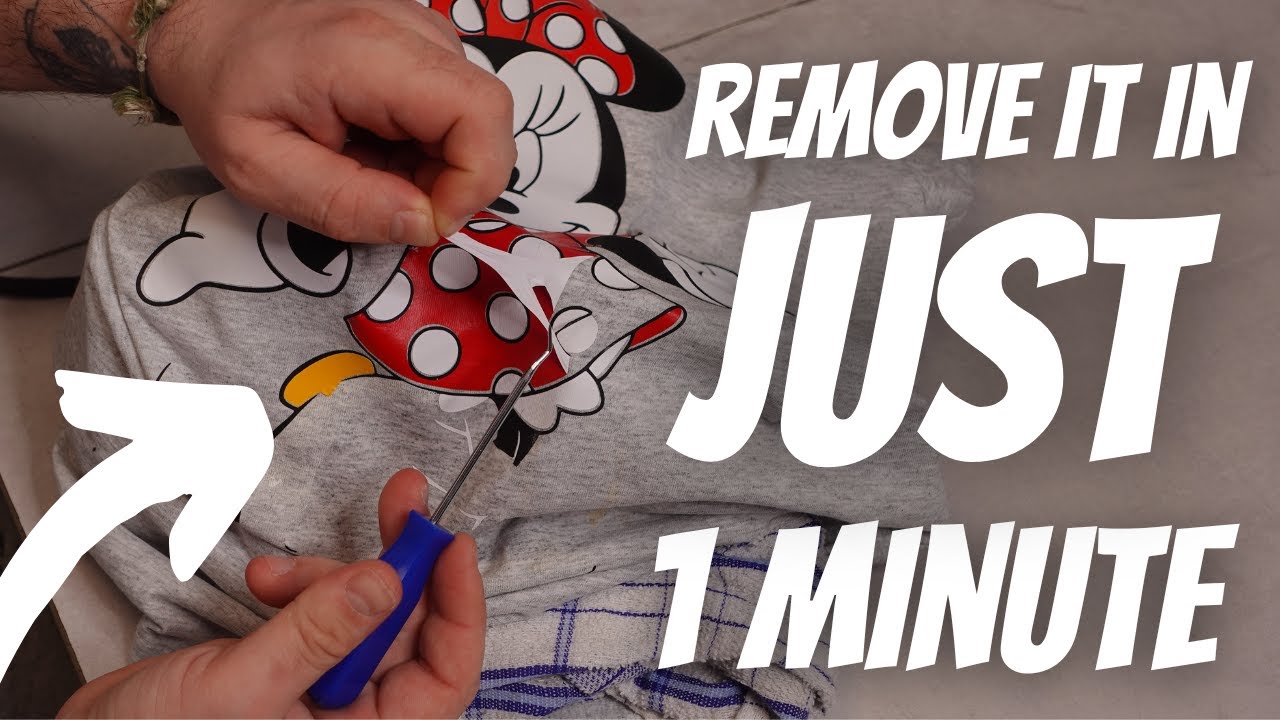
- Try to peel off the loose print with a blunt knife or plastic spatula. Caution: Avoid using sharp objects to prevent damage to the fabric.
- Repeat the steps several times if necessary.
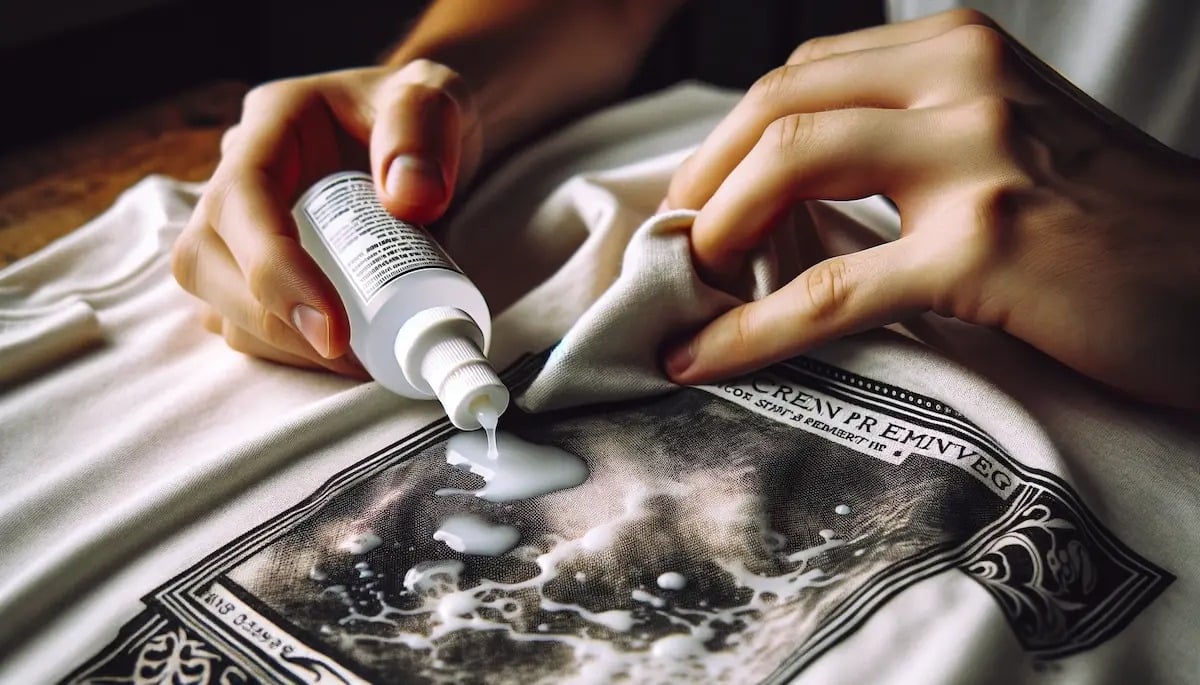
- Remove any residue with a damp cloth and wash the T-shirt thoroughly.
Things to keep in mind
Before you start, consider the following points:
- Flex and flock printing can sometimes be removed easily with heat and mechanical loosening.
- Digital prints (especially water-based ones) are usually deeply embedded in the fibers and can hardly be removed without leaving residue.
- Sublimation printing cannot be removed at all, as the color pigments penetrate the fabric.
- Fabric damage: High heat, improper use of chemicals, or mechanical stress can cause fabric fibers to tear, discolor, or develop shiny spots.
- Health hazards: When printing inks are heated or removed, harmful vapors may be released. Therefore, work in a well-ventilated room and wear heat-resistant protective gloves.

previous post