149
Where can I find my child’s blood type? This is a question that parents often ask themselves. However, in Germany there are no documents in which the child’s blood type must be stated.
Where to find your child’s blood type: Here is the information you need
There are four blood types: A, B, AB, and 0. Each blood type can be Rhesus positive or Rhesus negative, resulting in a total of eight different blood type combinations. A person’s blood type is genetically inherited and remains unchanged throughout their life. However, there is no general answer to the question of where the child’s blood type is actually recorded.
- The blood type may be recorded on a blood donor card. However, as children do not normally donate blood, this does not apply to them.
- Women who have already given birth to a child can find their own blood type in their maternity log. However, the child’s blood type is only noted there if the mother is Rhesus negative.
- The blood type of the unborn child can be determined during pregnancy if the mother is Rhesus negative and the child is possibly Rhesus positive. This combination is dangerous because the mother’s immune system can produce antibodies against the child’s red blood cells, which can be dangerous in a subsequent pregnancy. This early test can prevent complications later on.
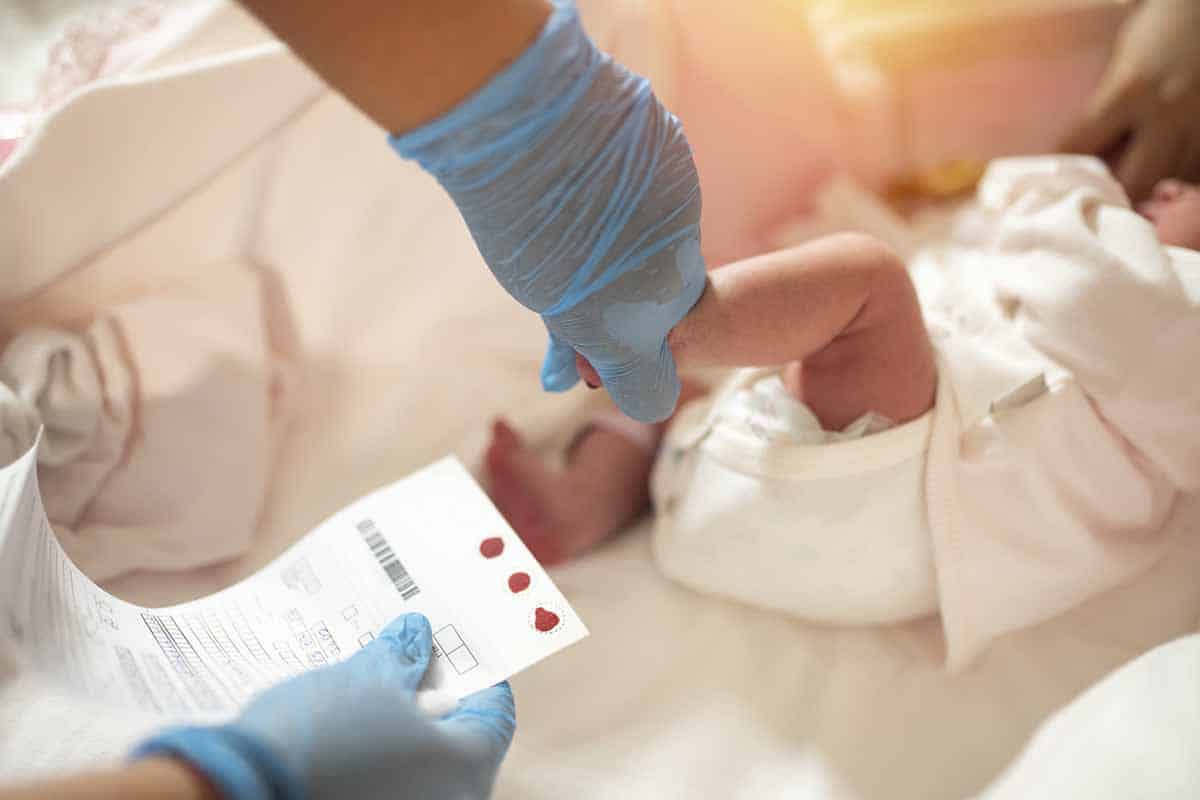
- Alternatively, the child’s blood type can be determined by a special test at the pediatrician’s office. Blood type determination is also easily possible in laboratories at the parents’ request.
- In addition, the blood type is often determined during certain medical procedures or examinations and documented in the medical record.

Your child’s blood type: What else you need to know
There is no compelling reason to know your child’s blood type in advance.
- In emergencies, doctors administer universal donor blood of type O negative, as it is compatible with all people. In addition, blood type is routinely tested before planned surgeries, which takes about 45 minutes.
- Knowing your blood type can be helpful, but it is not essential, as medical facilities are always prepared to quickly determine blood type if necessary.