1K
Photographing a person’s eyes is a fascinating art form that presents unique challenges. With the right techniques and an understanding of light and perspective, you can achieve impressive results. In this article, discover valuable tips and tricks to help you realize the full potential of your portrait photography.
What makes eye photography so special?
Photographing eyes can be particularly appealing—not only because they are considered the mirror of the soul, but also because of their ability to express emotions and character. But what is important when you want to skillfully showcase the eyes?
- Eyes are often the focal point of a portrait and attract the viewer’s attention. Their expression can significantly influence the mood of an image.
- The right interplay of light and shadow emphasizes the depth and structure of the eye, giving the photo an extra dimension.
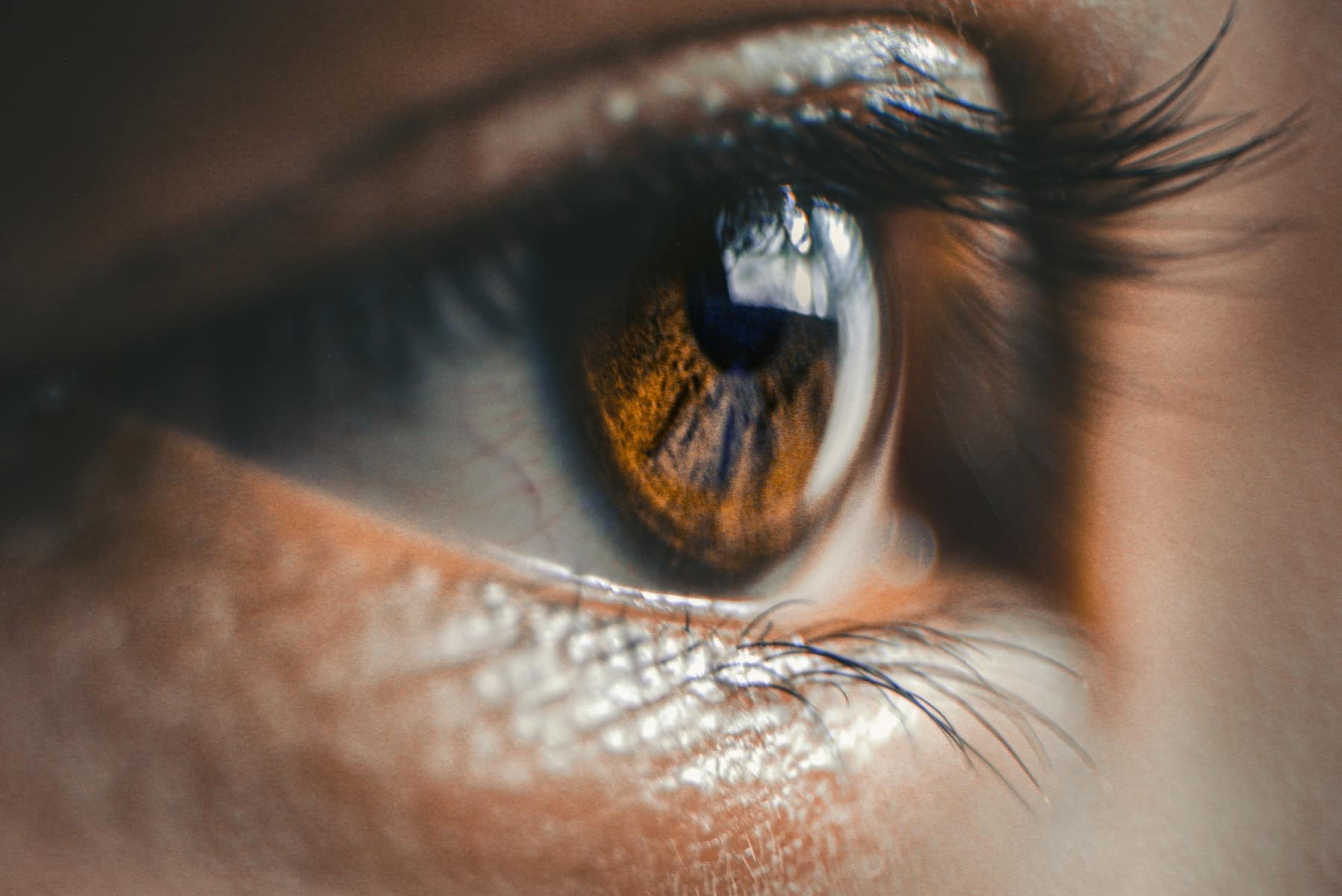
- The variety of colors and patterns in the iris can be shown to particular advantage in close-ups, giving the portrait a unique quality.
- A successful focus on the eyes ensures that the viewer connects with the person in the picture, which is essential in portraits.
How does light influence the appearance of the eyes?
Light plays a crucial role in showcasing the eyes to their best advantage. It can either enhance or diminish the effect of the eyes, depending on how it is used.
- Natural light, such as that coming through a window, creates soft shadows and makes the eyes appear lively. A cloudy sky can also be beneficial, as it provides even light without harsh shadows.
- Artificial light should be used with care to avoid unnatural reflections or overexposure. Softboxes or diffusers can help to make the light appear softer.
- Correct positioning of the light source is crucial: in macro photography, targeted, side artificial light is usually more advantageous for bringing out reflections and details.
- The use of reflectors can help direct light into the eyes and brighten unwanted shadows, making the gaze more intense.

Which perspective is best?
In addition to lighting, the choice of perspective is another important factor that influences the effect of the eyes in a photo.
- A slightly elevated camera position can make the eyes appear larger and the entire gaze appear more open. This is particularly advantageous if you want to achieve a gentle and friendly expression.
- Looking directly into the camera conveys strength and self-confidence, while looking slightly above the lens often creates a thoughtful or dreamy expression.
- The angle from which the photo is taken influences which details are visible in the eye. A side perspective, for example, can emphasize the depth of the face and highlight the eyelashes more strongly.
- When taking group photos, make sure that everyone is looking in the same direction so that there are no disharmonious lines and each individual’s eyes are shown to their best advantage.
Which technical settings are important?
The technique of photography is crucial for achieving the desired effects in eye photography. Various aspects such as aperture, shutter speed, and lens selection play a role here.
- An open aperture (e.g., f/1.8–f/2.8) is common in classic portraits to blur the background. For macro shots of the iris, a smaller aperture (e.g., f/8–f/11) is often recommended to ensure that as much of the iris as possible is in focus.
- A fast shutter speed is advisable to avoid motion blur, especially when using natural light. This ensures that the eyes remain sharp and detailed.
- A macro lens can be useful for getting extremely close to the subject and capturing fine details in the eye, such as the specific structure of the iris.
- Focusing on the pupil is crucial in portraits to ensure that this area is in focus. In macro photography, on the other hand, the focus is precisely on the iris. A fast shutter speed is useful in both cases to avoid camera shake.