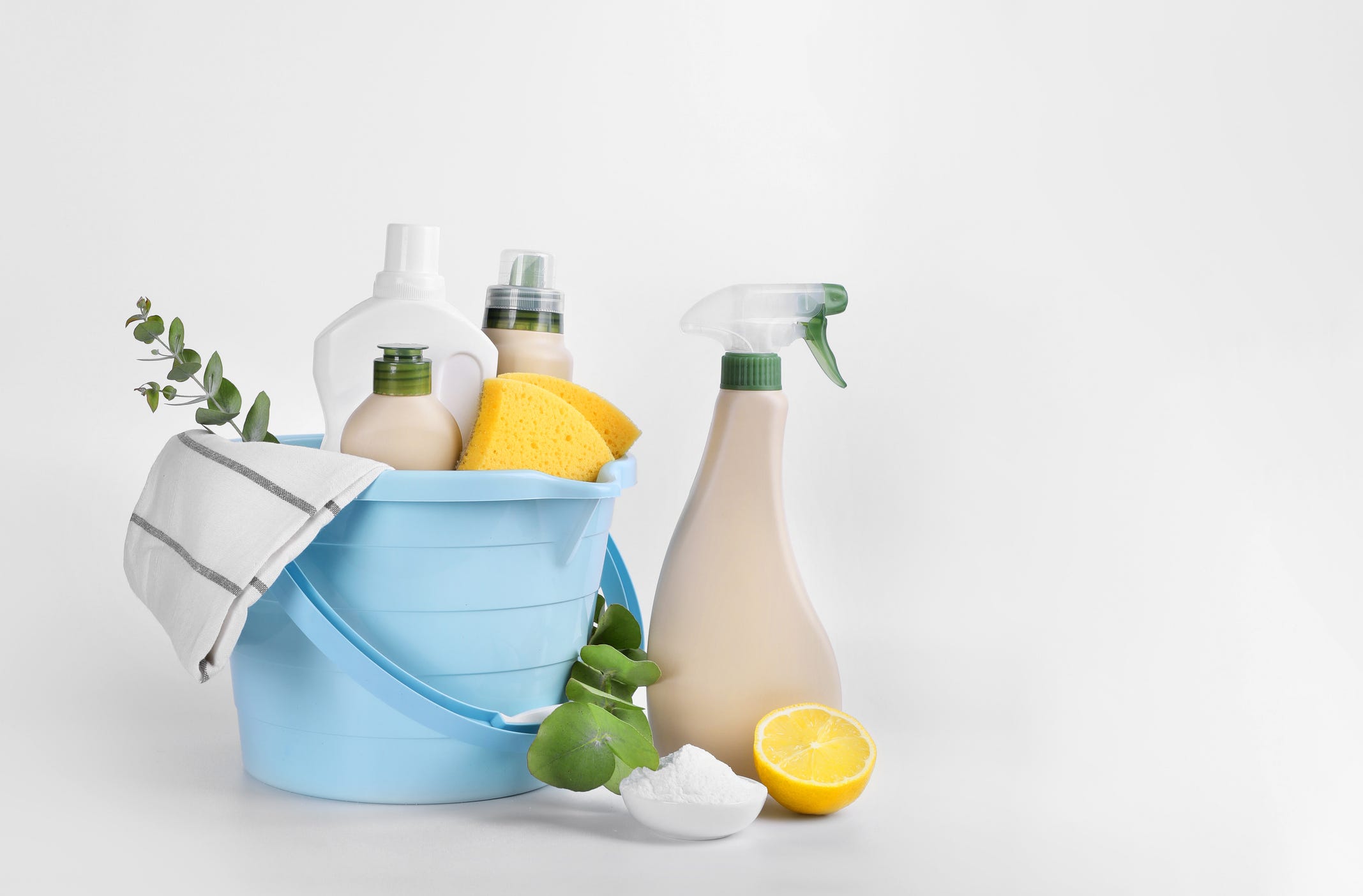
Soda has many uses in the household. Whether cleaning, washing, or freshening up, you’re well equipped with this environmentally friendly all-purpose cleaner. We have put together ten specific tips for using washing soda for you here.
Soda impresses with its many uses
If you have washing soda in your home, you can confidently leave other harsh chemicals on the shelf when it comes to cleaning. The white powder, also known as sodium carbonate, is inexpensive and can be used in the kitchen, bathroom, and many other places, either on its own or in combination with acetic acid, citric acid, baking soda, or curd soap. These additives enhance the cleaning effect. Soda is a component of numerous detergents and cleaning agents.
- Soda as an all-purpose cleaner: Add 1 tablespoon of pure soda to 10 liters of water. You can use this to clean almost all surfaces, such as glazed tiles, PVC flooring, and even wood. Due to its strong alkaline properties, liquid soda is not suitable for natural stoneware, marble, or polished granite. After cleaning with soda solution, wipe again with clear water.
- Soda as a toilet cleaner: An effective cleaning agent for urine scale and deposits in the toilet is a tablespoon of soda, which you simply spread with the toilet brush, leave to work for a few minutes and then clean and flush. Even more effective: make a paste from soda and household vinegar, apply it to stubborn deposits, and let it work.
- Soda as a drain cleaner: Pour about half a cup of soda into the drain, after removing any food scraps or hair. Add the same amount of household vinegar (vinegar essence mixed with water in a ratio of 1:4), wait about half an hour, and then rinse with hot water. This removes grease and unpleasant odors. An occasional soda treatment can also be used to prevent clogged pipes.
- Soda as a grout cleaner: To spruce up your tiles and prevent mold growth, tackle problem grout lines regularly (every four weeks) with soda, a little water, and an old toothbrush. Used correctly, soda can be used to combat mildew stains in the same way as other simple household remedies.
- Soda as a machine cleaner: From time to time, it is advisable to thoroughly clean the dishwasher to remove slag and limescale. To do this, first treat the sealing rings, cutlery basket, and areas with visible deposits with a paste made from baking soda and water. Then pour 3 tablespoons of baking soda and about 1 liter of vinegar water onto the bottom of the machine and run a wash cycle at over 60 degrees Celsius.
- Baking soda as an oven cleaner: Ideal for removing greasy deposits and crusts. Mix about half a tablespoon of pure soda in 1 liter of water and pour the mixture into a deep baking tray (only enamel, no aluminum!). Heat to 100 degrees and run the oven for about 15 minutes. You can then wipe out the entire interior. Crusts should be easy to remove after this treatment. This also works for cooking pots.
- Soda as a hygiene bonus: Wooden boards, wooden cooking spoons, thermos flasks, refrigerators, and other everyday items can be freed from germs with a soda rinse. To do this, use 2-3 tablespoons of pure soda in about 5 liters of water, or for smaller quantities, mix 1 heaped teaspoon with approx. 1 liter of water. Rinse all utensils thoroughly with plenty of water after treatment. This will also make flower pots with dirt and limescale marks look good again.
- Soda as a stain remover: Whether carpets or upholstery, some textiles are not suitable for the washing machine, but they literally attract stains. Sprinkling soda on the stain, moistening it, and dabbing it dry helps in many cases. Caution: not all fabrics can tolerate the alkaline bleaching effect of soda. You should test it on a hidden area first. Wool and silk should not be treated with soda.
- Soda as an odor absorber: Soda achieves very good results as a deodorizing substance.
For large textiles such as carpets, simply sprinkle on, moisten, and vacuum after drying. For smaller textiles, for example to combat sweat odors in the underarm area, use a solution of 1 tablespoon of soda in about 5 liters of water for soaking. Then wash the garment as normal.Soda as a detergent: No perfume, no enzymes, no phosphates. Soda undoubtedly has environmental benefits as a detergent. Make your own liquid detergent from about 4 tablespoons of soda, 30 grams of grated curd soap, and 2 liters of water. Mix everything together and bring to the boil in a saucepan. Once cooled, reheat briefly, add a little essential oil (lavender, citronella) if desired, and then pour into a container.
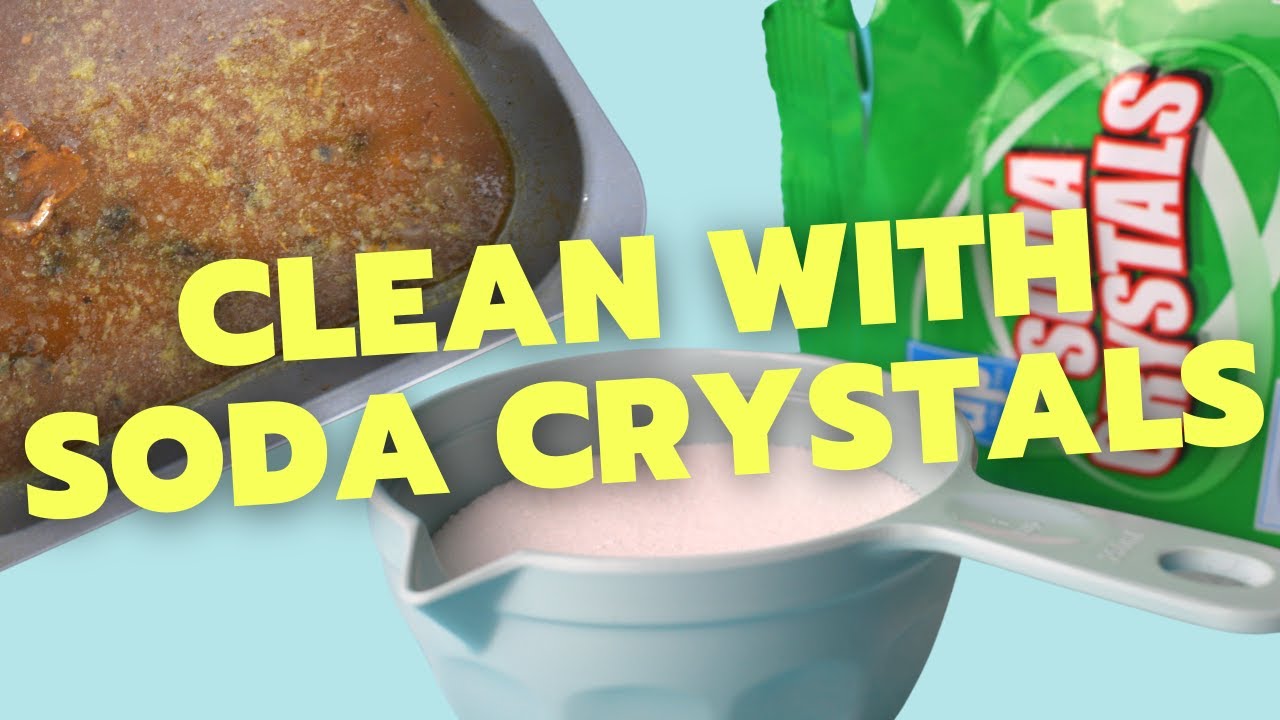
Further information on the use of soda
Soda is considered an environmentally friendly cleaning agent. Nevertheless, due to its alkaline properties, it acts as a lye when dissolved. It is labeled with hazard level 5 for chemicals on the packaging, which is why the following also applies to soda: use with caution and dose correctly.
- Soda is available as pure soda in powder form, as crystalline soda (with water retention), and as a liquid soda solution. You will need the smallest amount of the former for all applications because it is the most concentrated. You will need about twice to two and a half times as much of the liquid form.
- Odor control: Unlike essential oils, for example, which also neutralize odors, soda captures and removes unpleasant smells rather than masking them with other scents. If you want to prevent your trash cans from smelling, alternative odor binders such as baking soda, coffee powder, cat litter, or activated charcoal are even better than soda.
- Because washing soda is highly alkaline and degreasing, you should avoid direct skin contact. When cleaning with soda, as with other chemical cleaning agents, wear protective gloves and avoid contact with the eyes. Do not inhale soda.
- In case of unwanted eye contact, rinsing with water in a timely manner usually helps. Consult an ophthalmologist afterwards to be on the safe side. In case of worrying irritation caused by soda or accidental swallowing or inhalation, contact emergency medical services. Those affected should rinse their mouth immediately and drink plenty of water to pass the time while waiting.
- When used in the household, for example as a detergent or in the dishwasher, the chemical effect of soda is completely broken down. Therefore, no harmful effects are passed on to the environment.