382
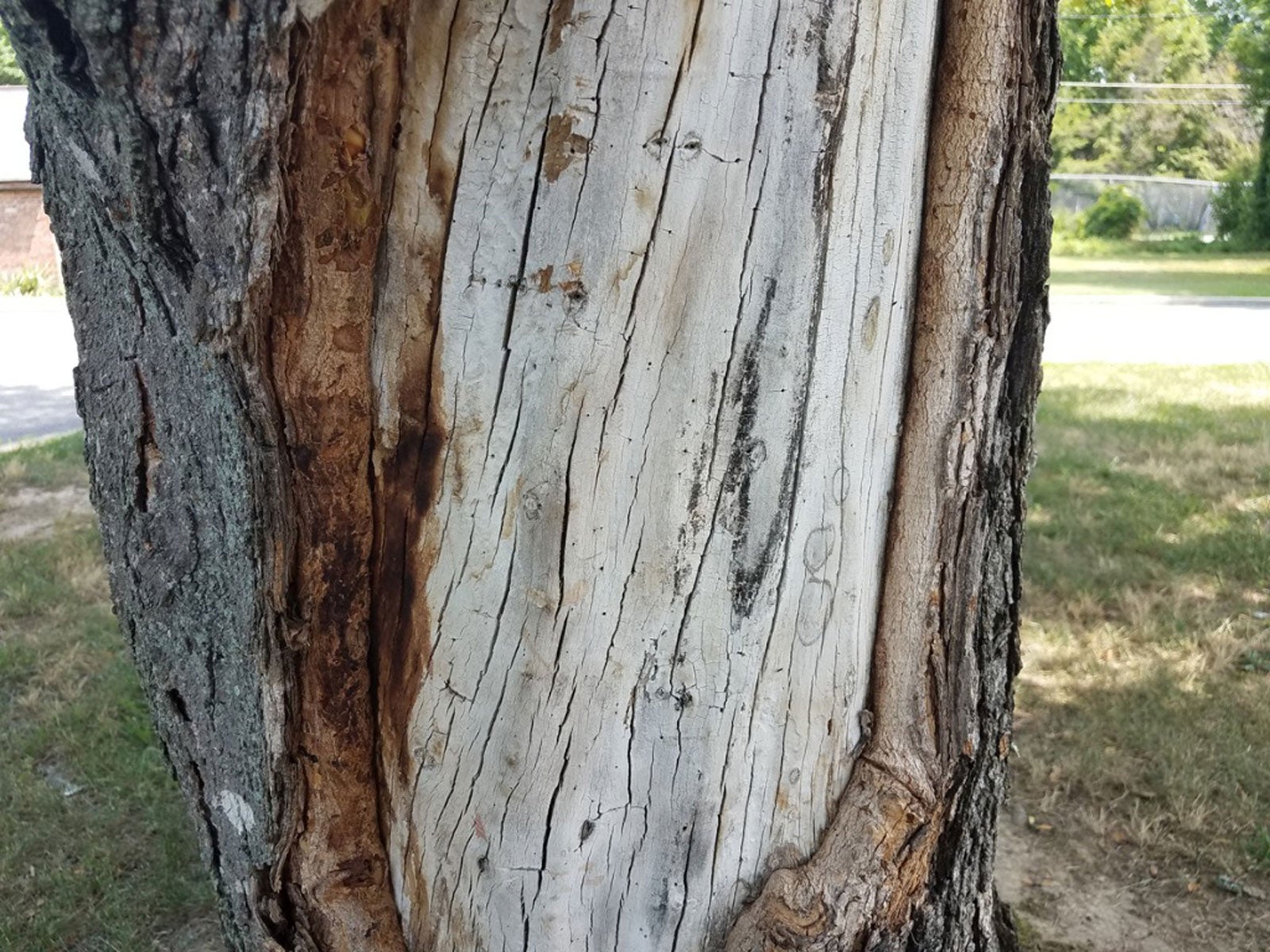
You can easily repair damaged tree bark yourself with just a few materials and a few simple steps. However, you should always take care of the damaged bark immediately in order to effectively promote the healing process.
Repair injured tree bark yourself by gardening
In order to repair injured tree bark and prevent the tree from dying, you should first find out the cause of the injury. This is because each type of injury requires a different individual treatment method.
- Tree bark can be damaged by unsuitable or worn tools and cause cracks in the wood. Trees are also often damaged by construction vehicles or other larger equipment. However, this causes such injuries, which you should only have examined and treated by a specialist.
- However, if it is only a minor injury to the tree bark, you can take action yourself and save your tree. Using suitable equipment, you can first remove any stress shoots.
- In the case of extensive damage, apply a pressure bandage to the tree bark. This should not allow air or moisture to reach the damaged bark.
This will press the detached bark back onto the tree trunk and allow it to grow back if you act quickly. The small pieces of bark that have been torn off should be fixed in place with adhesive tape if they are still intact. - If there are vertical cracks in your tree bark, this may indicate existing growth stress in your trees. This is caused by incorrect care or the wrong soil. If this is the case, you should replace the existing soil and add loam or mature compost. This will increase the storage capacity of the soil. You should also use plant protection products to protect your trees from external environmental influences;
- If your trees are suffering from gum flow, you need to act particularly quickly.
The disease mainly occurs in the event of increased moisture, incorrect care or fungal infestation. You should disinfect the injuries in the tree bark with a nettle slurry. However, nettle liquid manure is only effective for superficial damage, and special fungicides are also required for fungal infestation. - In addition, you can also use a so-called bark “bridge” graft for damaged tree bark. This method is particularly suitable for ring-shaped damage. To do this, push branches under bark flaps to restore the flow of nutrients.
Repair tree bark damaged by high temperatures yourself
Trees that are exposed to particularly extreme temperatures are at high risk of damage to the tree bark. However, you can easily treat such injuries yourself.
- In spring, many tree bark bursts open on trees that are not hardy. After particularly frosty winters, the bark on these trees cannot withstand the temperature differences.
- For such frost damage you should treat the injuries with a natural wound sealant. You can also disinfect the injuries with a nettle slurry. You should also increase the tree’s winter protection in future, for example by applying a coat of white paint to the sunny side of the tree.
- If the affected tree was planted in a sunny spot, sunburn can occur on the tree bark. Increased exposure to the sun causes tension on the tree bark, which heats up more in summer and winter and the tree bark bursts open.
- If your tree suffers from sunburn, you should act quickly. With the help of a natural wound closure or a pressure bandage, you can provide your tree with a quick remedy. Disinfection with nettle manure prevents fungal infestation. Paint the tree with white paint to protect the bark from excessive heat.

Repair damaged tree bark from feeding damage yourself
Both young and older trees are used by wild animals as a source of food. They eat the tree bark and cause injuries to it.
- Trees planted in the immediate vicinity of forests often suffer from tree bark damage. However, these do not necessarily have to be caused by wild animals but can also have other causes. It is therefore important that you look out for signs, such as footprints or droppings, which may indicate the presence of wild animals.
- If you are certain that wild animals are responsible for the injuries to the tree bark, you can use a few tools to counteract the damage. You can treat the injury to the tree bark by applying a pressure bandage to the tree bark and disinfecting the affected area.
- Take further external measures to ensure that no other animals can nibble on your trees. You can use suitable fencing to prevent wild animals from reaching your trees.