The term ‘Big Data’ has been circulating more widely online since the NSA and BND scandals. What you read on the subject in relation to privacy protection is interesting and often even a little alarming. However, the current headlines only deal with a small aspect of what is known as ‘Big Data’. Here, we explain what the term actually means.
Big Data – Big Brother’s little brother?
Big Data is essentially just large volumes of data. In principle, therefore, it is a neutral term. Whether Big Data should be a cause for concern or not depends on the type of data involved. As soon as the data is personally identifiable, there is a suspicion of surveillance.
- A large volume of data is referred to as ‘Big Data’ when it is too vast or too complex to be processed manually. This applies particularly to data that is constantly changing.
- Big Data can consist of innocuous data from climate research. However, data about people is collected in exactly the same way: communication patterns, consumer behaviour or the browsing habits of internet users. You can see the effects of big data analysis every day on the internet. A typical example is personalised advertising.
What is done with Big Data?
This question is where things start to get a bit trickier. Simply collecting large amounts of data in itself serves no purpose. It is only when the data is analysed that the whole matter becomes complicated.
- Data only becomes interesting once it is analysed. This applies to both intelligence agencies and businesses. And this is where the problem with Big Data lies: whilst personal rights are already affected by the mere collection of data, the situation becomes critical when it comes to analysis. This is because personal data may be passed on to third parties, which often infringes personal rights.
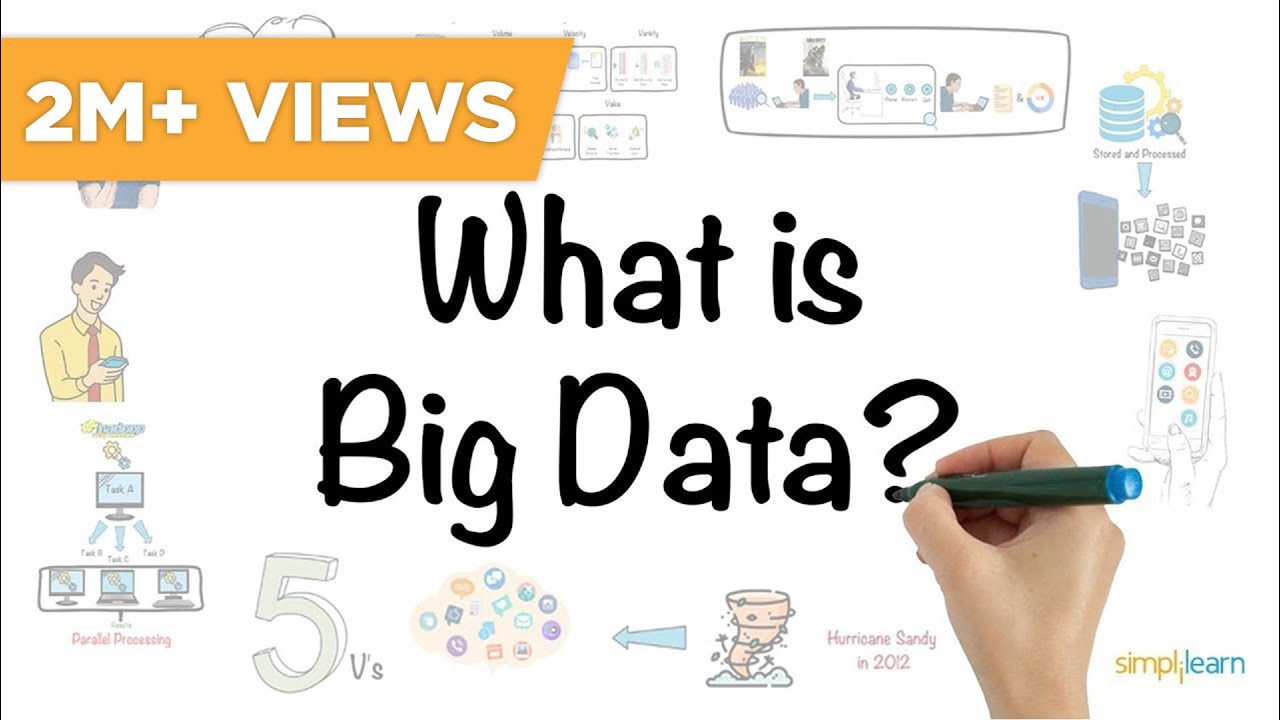
- As described in the first paragraph, Big Data can no longer be processed so easily. There are specialised frameworks designed to analyse the data. One example of open-source software for this purpose is Hadoop.
- In addition to businesses hoping to generate higher turnover from the data and the resulting market analyses, Big Data is also used in research. Insights into climate change also stem from the collection and analysis of large volumes of data – namely, Big Data.
- The state, too, relies on Big Data. In the field of crime prevention, the collection and analysis of large volumes of data is not only a cause for concern for data protection advocates.