11
Canned chickpeas are generally healthy thanks to their nutrient and fiber content, both for blood sugar levels and for the heart. However, there are also negative aspects that should be taken into account.
Canned chickpeas are healthy—as long as you keep these things in mind
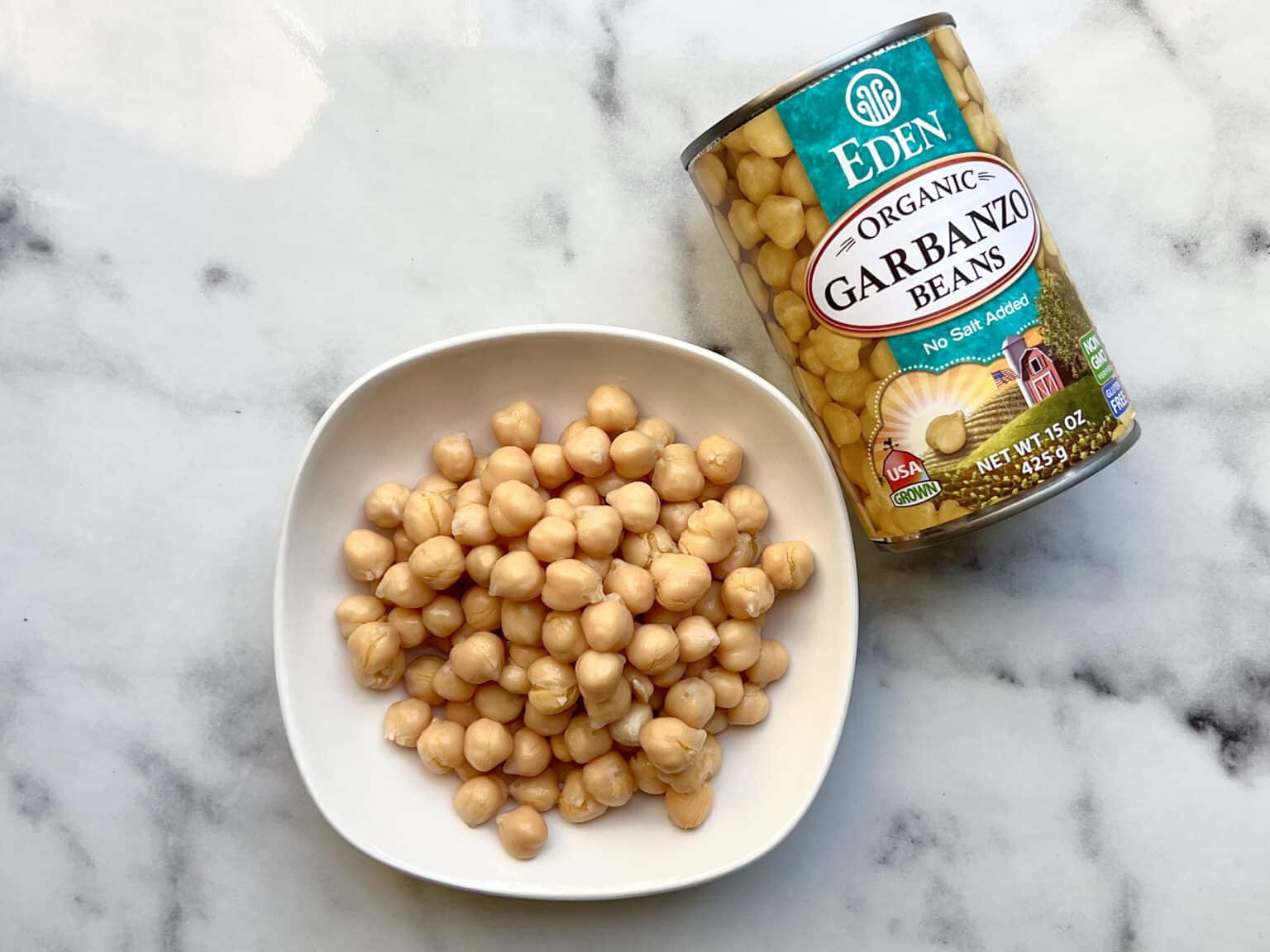
Canned chickpeas are a convenient and healthy ingredient for many dishes. Even though some of the nutrients are lost during preservation, they remain a valuable source of fiber, protein, and important minerals.
- Regular consumption of chickpeas can reduce the risk of heart disease and cholesterol levels and promote overall health.
- Canned chickpeas provide approximately 7 g of protein per 100 g (cooked and drained), while dried chickpeas contain up to 20 g per 100 g (raw, uncooked). In practice, the difference is smaller after cooking, but canned goods are convenient for quick meals.
- 100 g of canned chickpeas provide about 2.2 mg of iron, which is an important contribution to the diet of vegetarians. Chickpeas are also rich in fiber, which stabilizes blood sugar levels and prevents cravings.
- At 59 mg per 100 g, the calcium content is lower than in dried chickpeas (approx. 124 mg per 100 g), but it still contributes to bone health. By the way: chickpeas should not be eaten raw. This can be harmful to your health.
The advantages of the canned variety
The taste of freshly cooked chickpeas is often more intense than that of canned products. Nevertheless, there are some advantages to this variety.
- Time saving: Canned chickpeas are pre-cooked and ready to use – ideal for quick meals.
- Storage: Opened cans of chickpeas should be consumed within 2–3 days. nbsp;The shelf life can be extended slightly by storing them in an airtight container in the refrigerator.
- Recyclability: The environmental impact of canned foods is improved by the recyclability of the cans.
- Packaging waste: Dried chickpeas generate less packaging waste, which is a plus for the environmental balance.

Health aspects: What you should know
Despite all the benefits, there are also some health aspects to consider.
- Sodium and harmful substances: Thoroughly rinsing canned chickpeas not only reduces the sodium content, but also removes any harmful substances from the canning liquid. So check the list of ingredients before buying and make sure that only chickpeas and water are included. Also, rinse the chickpeas before eating to remove excess sodium.
- BPA-free cans: BPA-free cans are now standard, but you should still look for seals such as “BPA-free” to be sure.
- Taste: A slight metallic taste can be reduced by rinsing thoroughly or blanching briefly.
- Vitamins: Vitamins such as folic acid are largely preserved in canned chickpeas. The blanket statement that canned products generally have a lower nutrient density is not correct—depending on the processing method, many nutrients are retained.
- Additives: Some canned products contain preservatives, thickeners, sweeteners, or excessive salt, which can cause health problems, especially for people with high blood pressure.