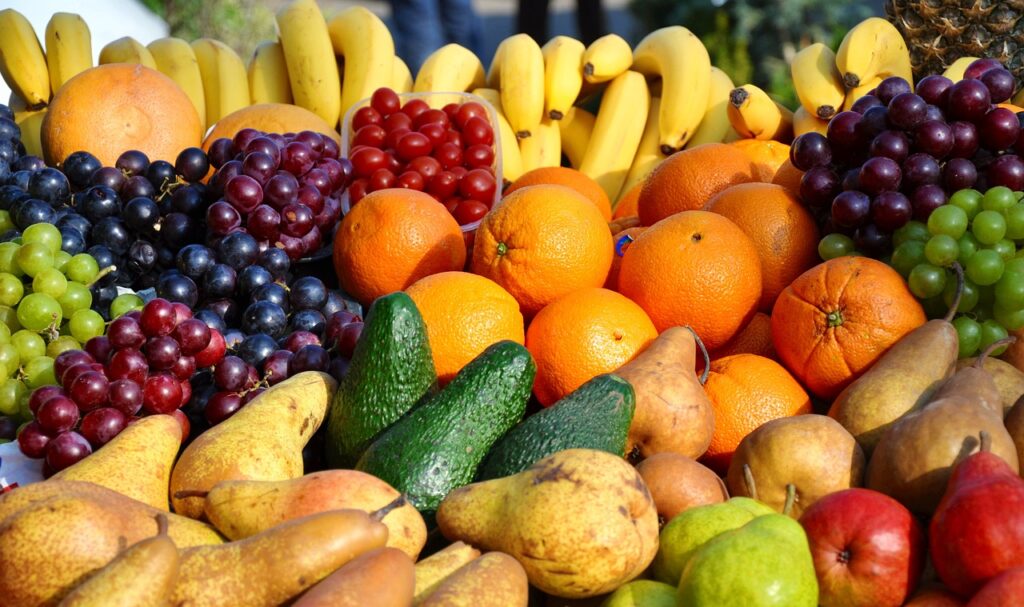
Healthy fruit: Why some varieties pose risks
Fruit provides valuable vitamins, minerals, and fiber, making it an essential part of a balanced diet. However, differences in sugar content, digestibility, or certain ingredients can play a role depending on the variety.
- Fruit contains natural sugar, which in high quantities can cause blood sugar levels to rise quickly. This poses risks, especially for people with diabetes. For example, a banana contains about 14 grams of sugar. The fruit can affect blood sugar when consumed in large quantities.
- Some fruits are rich in fructose, a type of sugar that can cause digestive problems in large quantities. Apples and mangoes are examples of fruits with high fructose content. When consumed in excess, they can cause flatulence and diarrhea.
- Dried fruits are a concentrated source of sugar and calories because they have had the water removed. Raisins, for example, contain about 60% sugar and are therefore significantly less healthy than fresh fruit.
- Fruits such as pineapple or ripe mangoes have a medium glycemic index and can cause blood sugar levels to rise faster than many other types of fruit. People with diabetes or insulin resistance should therefore control their consumption.
Unhealthiest fruits: Recognizing the dangers of pesticide residues
Another criterion for evaluating fruit is its pesticide content. Some fruits are more heavily contaminated with pesticides than others, which poses health risks.
- Strawberries are aggregate fruits. They are often at the top of the list of fruits most heavily contaminated with pesticides. The high use of pesticides in conventional cultivation can raise health concerns, especially with regular consumption.
- Apples are also often contaminated with pesticide residues. Although they offer many health benefits, they should be purchased in organic quality whenever possible to minimize pesticide intake.
- Grapes can also have high pesticide levels. Since they can be consumed in large quantities, it is advisable to choose organic grapes to reduce the risks.
- Eating fruits with skin, such as peaches or nectarines, increases pesticide intake, as these often remain on the surface of the fruit. Thorough cleaning or purchasing organic products can help reduce exposure.

Kidney stones and fruit: Understanding the role of oxalates
In addition to sugar and pesticides, other ingredients in fruit can also raise health concerns. Oxalates can promote the formation of calcium oxalate stones. These are the most common type of kidney stones. These compounds can be found in some fruits and cause health problems in some people.
- Rhubarb contains high amounts of oxalates, which can inhibit calcium absorption and contribute to the formation of kidney stones. People who are prone to kidney stones should limit their consumption of rhubarb.
- Star fruit contains significant amounts of oxalic acid. It can cause health problems in people with chronic kidney failure. The Federal Institute for Risk Assessment (BfR) points out that consumption may be risky for people with kidney disease.
- Oranges provide a lot of vitamin C, but also contain moderate amounts of oxalates. Consumption is safe for healthy people, but those who are prone to calcium oxalate stones should limit their intake.
- Berries such as raspberries and kiwis contain small amounts of oxalates, which can contribute to the formation of kidney stones in sensitive individuals. However, they are safe for most people and provide many valuable nutrients.
Strategies for healthy fruit consumption: Tips for selection and preparation
Despite the potential disadvantages, fruit offers many health benefits and should be part of a balanced diet. Conscious selection and preparation can make fruit consumption healthier.
- Choose fruits with low sugar content, such as berries or citrus fruits, to reduce sugar intake while still benefiting from the health advantages.
- Buying organic fruit helps reduce exposure to pesticide residues. This is especially relevant for fruits that are eaten with the skin on.
- When fruit is eaten with a meal, blood sugar levels tend to rise more slowly. People with diabetes should take this into account.
- Combine fruit with protein-rich foods such as yogurt or nuts to slow down sugar absorption and stay full longer.