432
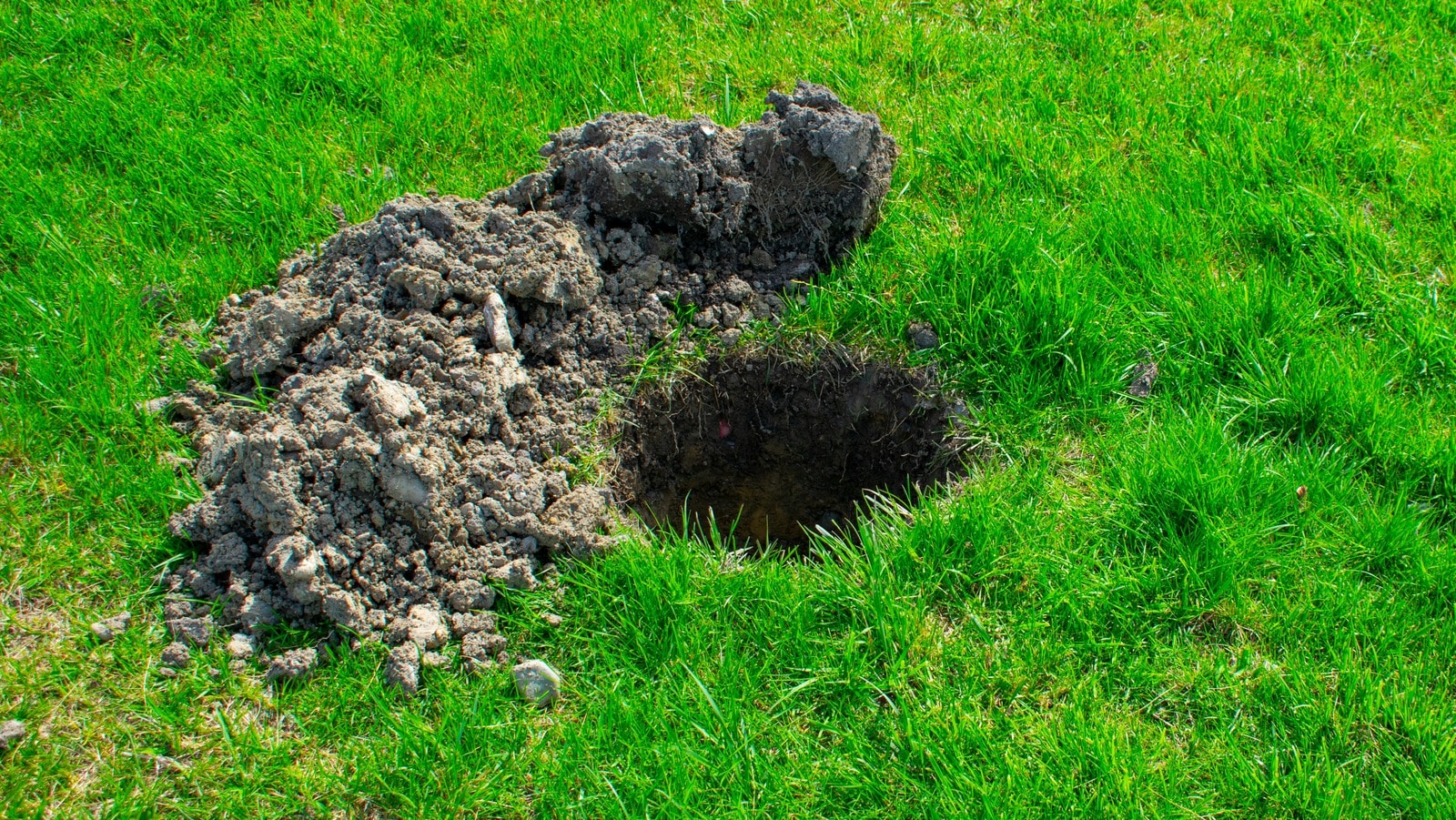
If you discover a hole about 10 cm in size in your garden, it can quickly cause surprise or even concern. In fact, such holes are usually an indication of animal visitors. The decisive factors are the shape of the holes, whether there are accompanying tracks, and how regularly they occur.
Causes of a 10 cm hole in the garden
Animals are usually responsible for such holes in your garden. If the hole is about ten centimeters deep, the following small animals may be responsible:
- Rats: Brown rats and black rats in particular like to dig holes in gardens. These are usually round and go straight down. As these animals are pests and carry diseases, it is advisable to chase rats out of your garden.
- Raccoons: Raccoons not only bury their feces, but also try to find food by digging. In doing so, they sometimes completely destroy the garden. There are tips for garden owners on how to chase away raccoons.
- Badger: A slightly longer hole, on the other hand, could have been made by a badger. Badgers bury their feces and may do so in your garden. They also dig for food, hoping to find beetle larvae, for example.
- Foxes: Foxes do not bury their feces or search for food in the ground. Instead, they bury their prey in the garden.
- Hedgehog: Hedgehogs can also dig shallow holes in your garden. These animals search for food such as worms and larvae in the soil.
Holes in the garden: How to identify the typical accompanying traces
To find out which animal caused the hole, it is worth taking a closer look at the surrounding area.
- Typical clues can be footprints or tracks around the hole.
- Traces of feces near the hole—especially from rats or badgers—can also provide clues.
- If you find food scraps or bones, this usually indicates foxes in the garden.
- On the other hand, if there is loose, turned-up soil, this is a sign of intensive digging, as raccoons do, for example.
Problems caused by animal holes in the garden: What you should know
Not every hole in the garden is a cause for concern. However, some animals can cause problems:
- Rats are a hygiene hazard because they carry disease.
- Raccoons and badgers can plow up flower beds and damage plants.
- Foxes sometimes leave behind foul-smelling remains of their prey.
- Hedgehogs do not usually cause any damage—their holes are relatively harmless.
Avoiding holes in the garden: Tips for prevention and protective measures
If you discover animal holes in your garden, it is advisable to take the following steps:
- Observe: Check whether the hole is actively being used or is a one-off occurrence.
- Prevent incentives: Open garbage cans, compost, or food scraps attract wild animals – keep them well sealed. Sprays to repel rats and mice can also help.
- Secure your garden: Fences, close-meshed grids, or covers can prevent larger animals from entering.
- Professional help: If you have a rat infestation, you should call in a pest control expert.
- Observe animal welfare regulations: Badgers, hedgehogs, and foxes are protected wild animals. In this case, it is advisable to contact a wildlife rescue center or your local nature conservation association before taking any action.