208
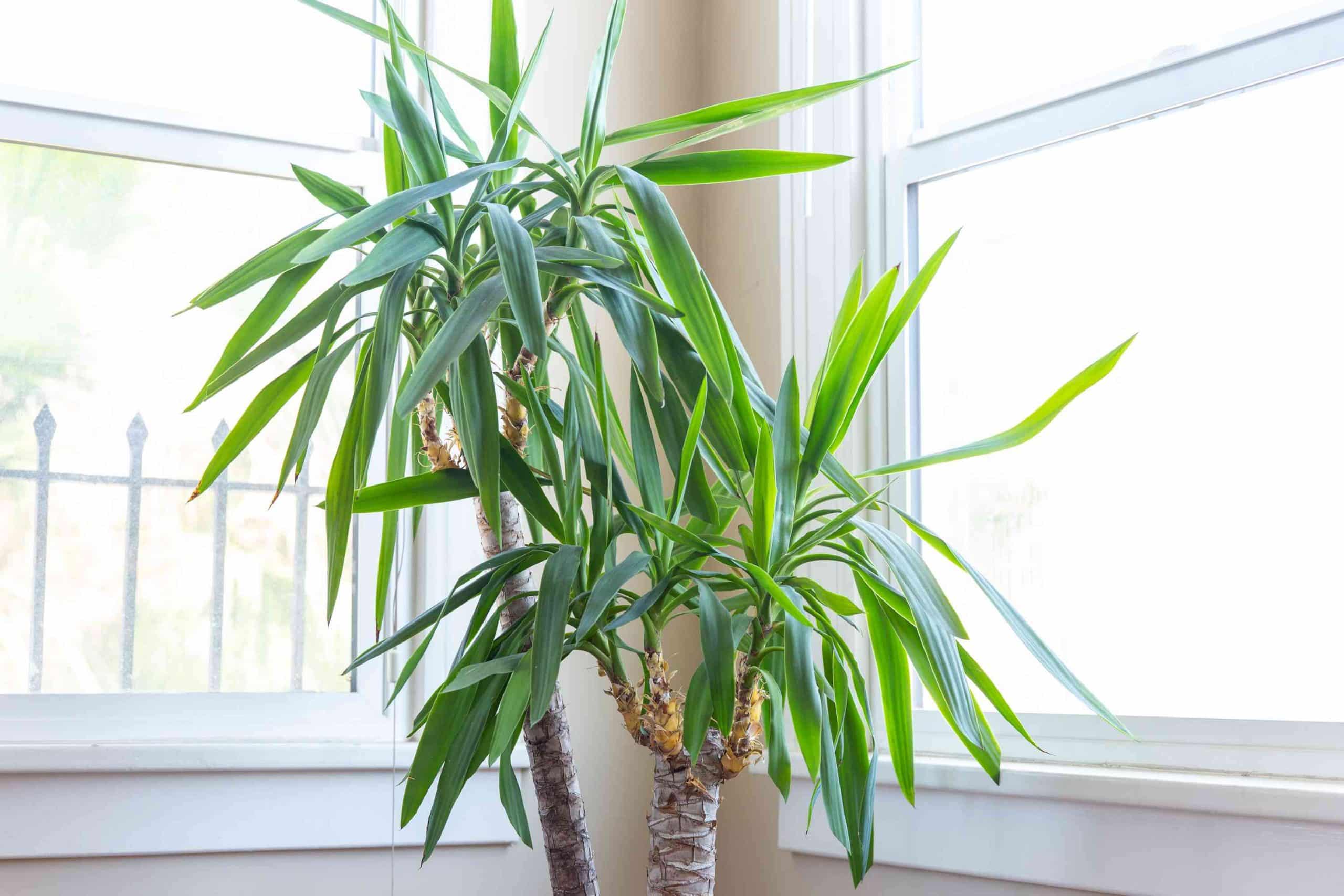
Yucca palms can often be saved if you react in time to signs such as brown leaf tips or a soft trunk. The causes for this can vary.
Saving your yucca palm: Possible reasons for problems
In order to save your yucca palm and prevent the plant from dying, it is first important to know the reasons for its poor condition. Waterlogging and rot are the most common causes of damage.
- The yucca plant is an agave plant from the southern United States and Central America. This type of palm tree is accustomed to a dry and semi-arid climate and therefore does not like too much moisture. For this reason, you should not water your plant every week.
- In this context, it is also important that you have drainage in the pot. This should be sufficiently water-permeable so that it can absorb excess water from the substrate. The roots must not be permanently wet, otherwise they will start to rot.
- Due to their southern origin, yucca palms like bright light. This sun-loving plant species does not tolerate darkness well. However, the plant can also get sunburned. This can happen, for example, when it is moved from indoors to outdoors after winter. Allow your yucca palms to acclimatize slowly to their new location.
- Pests and fungal or bacterial pathogens can also attack this type of palm and cause it to die.
- Yucca palms are somewhat sensitive when it comes to pH levels. The plants prefer a pH value between 6 and 7. You can determine the pH value with appropriate test strips and adjust it if necessary by mixing calcium carbonate or basalt flour into the potting soil.
- If you have recently repotted your yucca palm, you may have accidentally damaged the roots.
Saving yucca palms made easy: practical tips & tricks
Whether you can still save a yucca palm depends on how rotten the roots are. If about a third of the roots are still healthy and the trunk is intact, there is a good chance that the plant will recover.
- Carefully remove the palm tree from the pot and examine the root system. If, as described above, a third of the roots are still healthy, cut off the rotten part. Rinse the rest with lukewarm water and let it dry. Then repot the plant in a new pot with drier soil.
- If the trunk is affected and becomes soft in places, it is rotting from the inside. If there are still hard parts of the trunk, remove the yucca plant from the pot and cut these parts off completely. Plant the healthy parts of the trunk in a new pot with fresh soil. The trunk cuttings will then hopefully sprout again.
- If the root system is badly rotten, your only option is to cut off the few healthy parts and plant them as cuttings in new pots. If the damage is already too advanced, the palm tree can usually no longer be saved.
- If there is a black coating on the leaves, it is probably sooty mold. This is associated with an infestation of aphids or other plant lice. Wipe the coating and honeydew from the leaves and take action against the pests. Be sure to remove diseased and dead parts of the plant and dispose of them in the household waste. This will prevent the disease from spreading to healthy plants.
- Brown leaf tips can indicate rot, but also an incorrect pH value. If only the leaf tips are brown, you do not necessarily have to cut them off. However, you should remedy the cause of the leaf damage as soon as possible.

How to prevent damage to your yucca palm
With proper care and the right location, yuccas are very easy to care for and not very susceptible to pests and diseases. The best way to protect your plant is therefore to ensure the right conditions.
- Yuccas love light. A sunny to semi-shaded spot is ideal – preferably right next to a window or, in summer, outside on the balcony or terrace. However, drafts should be avoided. In the warm season, the plants can tolerate temperatures above 25 °C, but in winter they need it to be significantly cooler. Temperatures should not fall below 5 °C.
- Yuccas are not particularly thirsty. You should only water the plant when the top layer of soil is dry. Yuccas do not tolerate waterlogging well. During the growing season (spring to fall), you should apply a green plant fertilizer every two to four weeks. In winter, reduce both watering and fertilizing significantly.
- Every 2–3 years, a yucca palm will appreciate a larger pot and fresh, well-drained soil. A mixture of potting soil and some sand or expanded clay is ideal. You can also buy ready-mixed special planting substrate for palm trees.