11
Olive oil generally enjoys a good reputation, so the idea of treating wood with olive oil does not seem far-fetched at first glance. But there is more to it than that.
Treating wood with olive oil – what you need to know
Oil and wood are definitely a good combination, but let’s get one thing straight: not every oil is suitable for treating wood.
- As a general rule, it is not advisable to treat wooden surfaces such as tables, countertops, or cabinets with cooking oil. Neither linseed oil, sunflower oil, rapeseed oil, nor olive oil are suitable for treating wood—quite the contrary.
- If you regularly rub olive oil into your old wooden cabinet or beautiful wooden chest of drawers, the wood will initially take on a slight sheen. However, the joy is short-lived and in the foreseeable future, the wood surface will no longer have a delicate sheen, but will look very unattractive.
- Wood has a porous surface, so the olive oil penetrates the wood through the pores. Unlike a special wood oil, however, conventional cooking oil does not harden. This in turn causes the wood fibers to swell over time and absorb dirt.
- In addition, after a while, olive oil develops a rather unpleasant odor, which is not exactly pleasant in rooms. It can become rancid and cause damage to the wood.
- In short: the question of whether you should treat wood with olive oil can be answered with a concise but clear “no.” Nevertheless, treating wood with oil is a good protective measure. However, you should use wood oil rather than cooking oil.

How to care for wood properly: Instructions
Wood is a natural material that remains beautiful and durable for a long time with the right care. These instructions reveal the best way to do this.
- Before treating wood with oil or other care products, the surface should be thoroughly cleaned. Use a mild wood cleaner or a mixture of water and natural soap. Make sure that the wood dries completely after cleaning.
- To ensure that the wood oil is absorbed optimally, it is advisable to sand the surface lightly beforehand. Fine sandpaper removes old residues and ensures that the oil is distributed evenly. After sanding, remove any dust residue with a dry cloth.
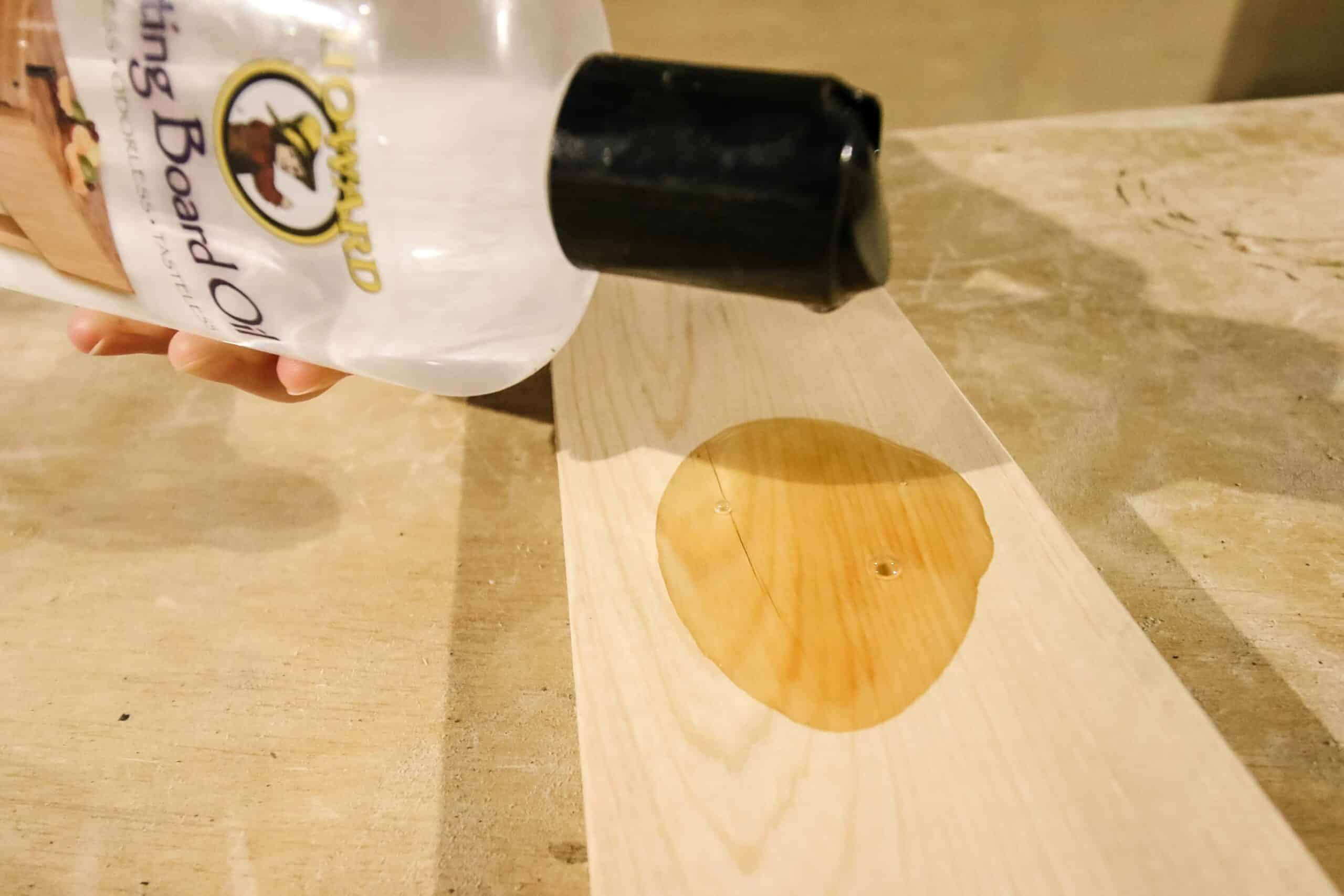
- Modern wood care products often contain additional ingredients such as waxes or resins, which seal the wood better and protect it from moisture. When applying wood oil, it is best to use a soft cloth or brush. Apply the oil thinly and remove any excess oil after approx. 10–15 minutes with a lint-free cloth. If desired, you can apply a second coat after it has dried completely.
- Oiled wood surfaces require regular treatment to maintain their protection and appearance. Depending on wear, you should re-oil the wood every few months to once a year. This keeps the surface supple and resistant.
- By the way: Not every oil is suitable for every type of wood. Choosing the right maintenance oil is particularly important. Teak oil is ideal for hardwoods such as teak or oak, as it penetrates deeply and has water-repellent properties.& nbsp;Linseed oil, on the other hand, is a classic wood preservative for many types of wood and ensures a natural look. Hard wax oil combines the advantages of oil and wax and protects particularly stressed surfaces such as wooden floors or furniture.