
443
FIFO is an abbreviation for ‘First In, First Out’, a principle that is mainly used in warehousing.
What FIFO means
The FIFO method is a widely used principle in warehouse management to optimize the rotation of goods. It ensures that products are processed, handled, or sold in the order in which they arrive.
- This helps prevent spoilage or outdated inventory by using the oldest items first. This is especially important in industries that handle perishable goods.
- A major advantage of FIFO is that it minimizes losses due to spoilage, as the oldest inventory is used first. This is crucial for items with a use-by or best-before date.
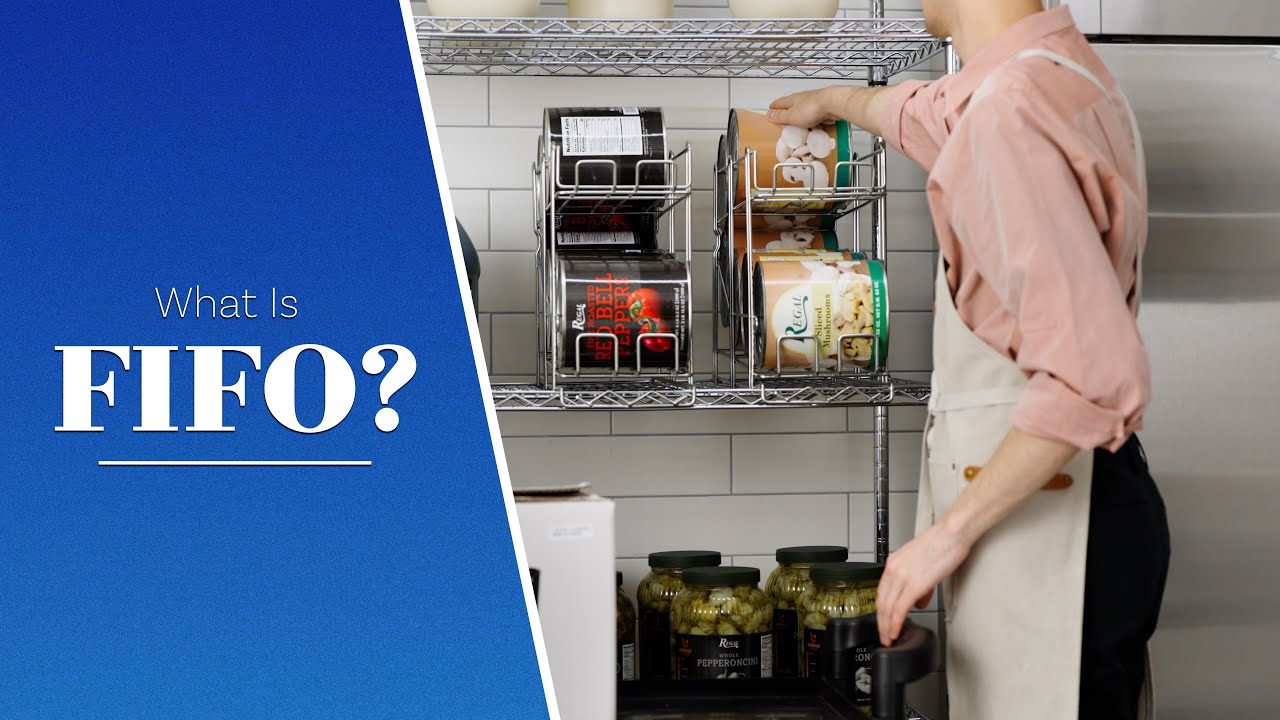
- A practical example of FIFO is the handling of food in retail, where the oldest products are sold first to ensure freshness and quality.
How FIFO is implemented in practice
To implement FIFO effectively, companies must establish clear inventory management that documents the order of products. This helps to identify the oldest items first.
- The physical layout of warehouses should support the FIFO method by placing products so that older items are easily accessible and can be removed first.
- Technological solutions such as barcode systems or warehouse management software can facilitate the FIFO process by enabling automatic tracking and management of inventory.
- Training for warehouse staff is important to ensure that all employees understand and can correctly apply the FIFO method.
FIFO compared to other methods
FIFO is not the only method of inventory management, and there are alternative approaches that may be suitable depending on the industry and business needs. It is important to compare the different options and weigh up which method is most appropriate.
- In addition to FIFO, there is the LIFO method (‘Last In, First Out’), in which the goods that arrived last are used first. This method can be advantageous when prices are rising, as it records the more expensive, most recently arrived items first.
- FEFO (‘First Expired, First Out’) is another method that is particularly used in the food and pharmaceutical industries. Here, products are sorted according to their expiration date and the items that expire first are used first.
- The JIT method (‘Just In Time’) is an approach in which inventories are minimized by ordering and using products only when needed. This can reduce storage costs, but requires precise planning.