443
Freemasons can be recognized by certain symbols and accessories. The trowel and compass, for example, are still among their distinguishing marks today.
How to recognize Freemasons
Freemasons can be recognized by certain signs and symbols. These date back to the time of the stonemasons’ guilds. These medieval stonemasons’ guilds are considered to be the precursors. Little is known about the origins of Freemasonry. Only the founding of modern Freemasonry in 1717 with the establishment of the Grand Lodge of London is documented.
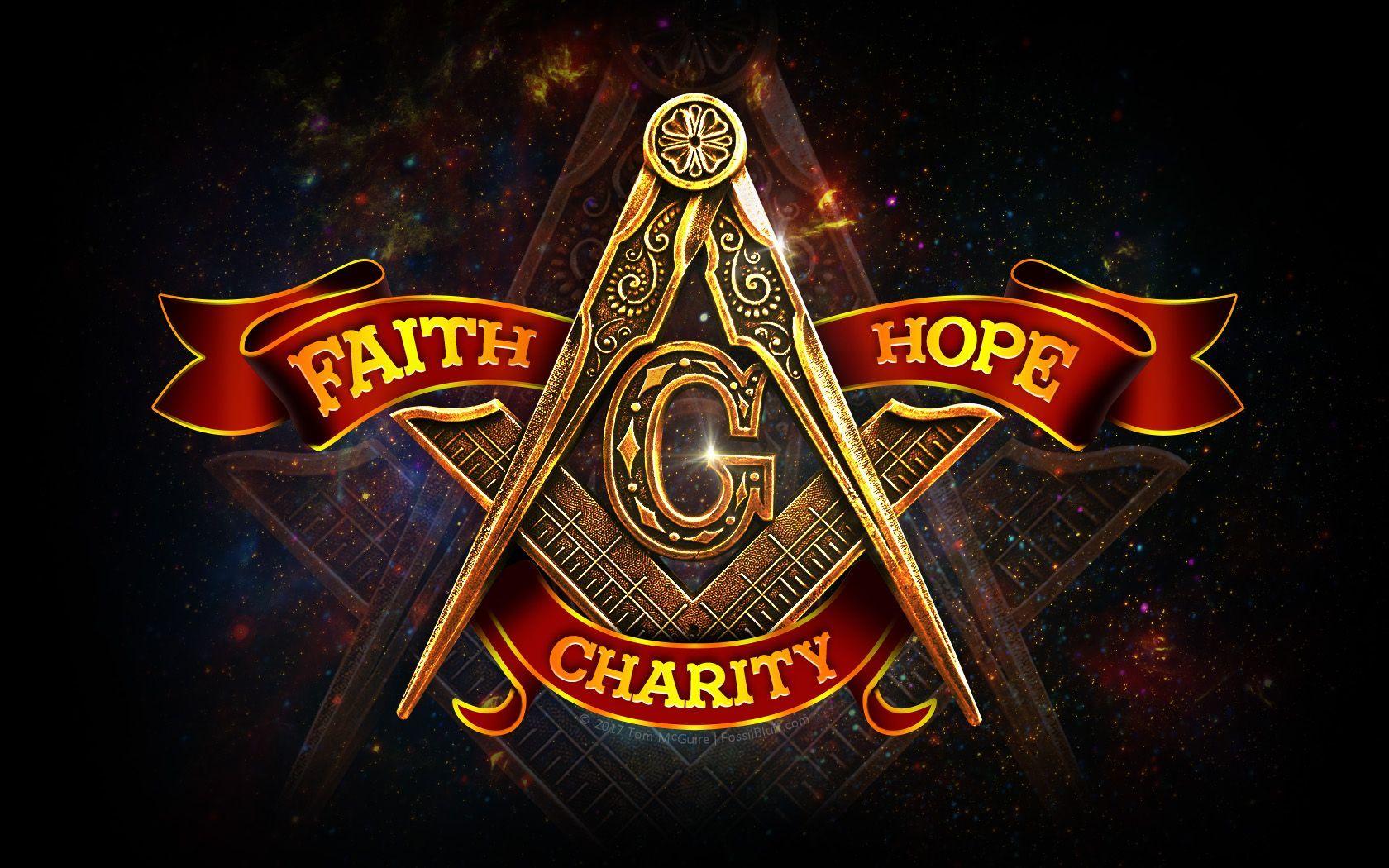
- The identifying symbols of Freemasons are the square, hammer, compass, and trowel. These symbols are often worn as a kind of brooch.
- In America, the square and compass are often seen in conjunction with the letter “G.” This represents the omnipresent geometry.
- The Master of the Chair, as the chairman of a Masonic lodge is called, often wears the symbol of the hammer. This symbolizes authority and working on one’s own character.
- Another identifying symbol of the Freemasons is the forget-me-not flower. This is historically linked to persecution under National Socialism and is worn today, especially at commemorative events.
- There is no specific costume or uniform for Freemasons. However, you will often see masters or leaders wearing a badge belt around their necks.
- On St. John’s Day, June 24, outsiders can gain an insight into the organization. On this day, Freemasons celebrate the birthday of John the Baptist, who is considered the patron saint of Freemasons. Public events such as lectures or concerts are often held.
- In many cities, you can meet Freemasons in front of so-called temples. This is where the meetings are held. In Hanover in particular, there is a very large and active membership culture, which you may be able to engage with.
- Due to their duty of confidentiality and discretion, Freemasons are often associated with conspiracy theories. Nowadays, however, there are many books about Freemasonry that provide information and correct myths.

What distinguishes Freemasons
The myths and conspiracies surrounding Freemasons usually have little to do with reality. The members themselves see themselves as a union of free and equal people. Freemasons are organized into lodges, with each Freemason belonging to a specific lodge.
- The basic ideas of Freemasons are liberty, equality, brotherhood, tolerance, and humanity. They strive for continuous improvement of themselves and the society in which they live.
- When Freemasons meet, they use various handshakes or passwords, known as “passwords,” as a means of identification. These are known only to members and are otherwise strictly confidential. They can vary depending on the lodge and degree.
- Nothing about the meetings of the Freemasons should be disclosed to the outside world. Freemasons are bound to secrecy about what is discussed at the meetings and are not allowed to pass this information on to third parties. For this reason, the association is often misinterpreted as a secret society.
- In the course of a Freemason’s life, there are three stages of development that he can go through: apprentice, journeyman, and master. These stages are intended to enable the individual maturation of the Freemason. The goal is to learn self-reflection and to continuously question one’s own career path.
- Freemasons are not subject to any particular religion. A holy book is always laid open at meetings. This can be the Bible, the Koran, or the Torah.
- The meeting room of the Masonic organization is called a temple. Members regard the temple as a workshop or building hut.
- Anyone who wants to become a member of the Freemasons must have a serious interest in the organization. Although it is possible to leave at any time, this should only happen in exceptional cases, as it is a lifelong commitment.
- Women are generally excluded from regular lodges. This is most likely because there were no female stonemasons at the time of the organization’s founding. However, there are said to be isolated cases in which women have been accepted. In addition, a few women’s lodges have existed since the 1980s.

previous post