327
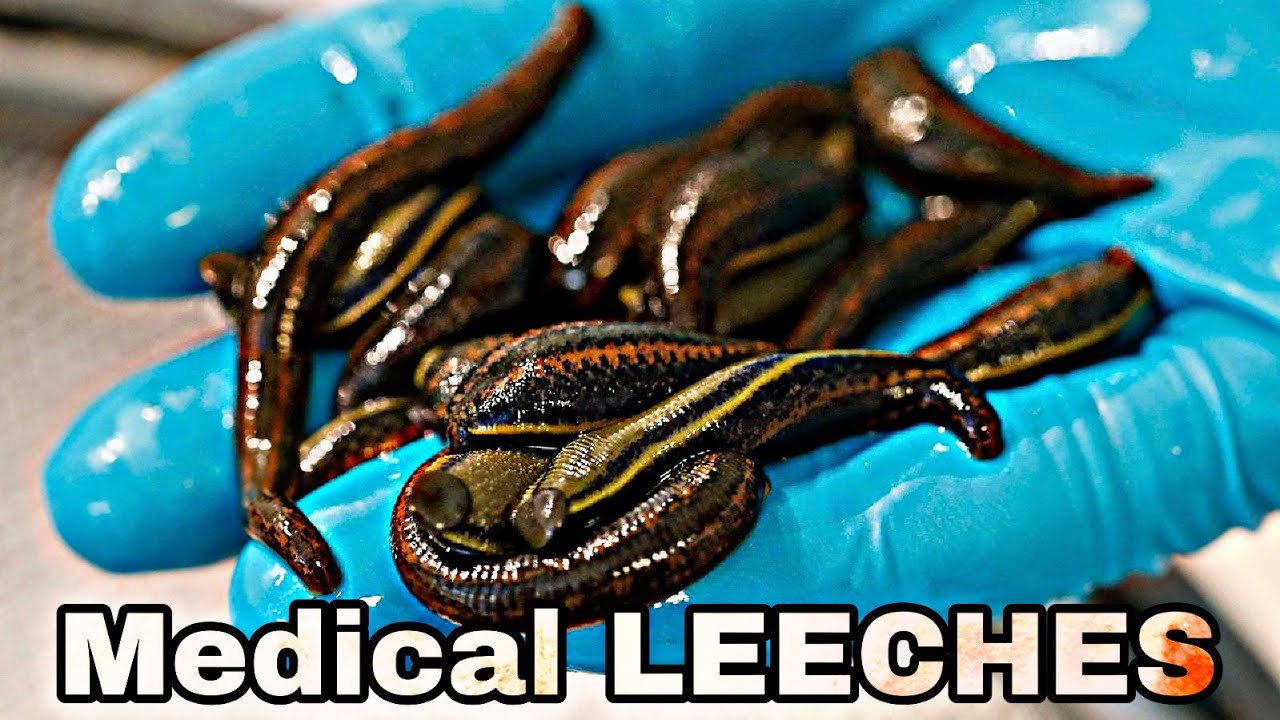
Keeping and caring for leeches has a long tradition in medicine. Although these animals had fallen into obscurity for a time, they are now kept as pets in some cases.
Optimal conditions for keeping leeches: Tips for beginners
If you want to keep leeches, it is essential that you inform yourself in advance to ensure that they are kept in a manner appropriate to their species.
- If you want to keep a leech, you can order it from a breeding station and have it delivered.
- After it arrives, you should wash the leeches thoroughly with rainwater or spring water.
- To keep them healthy, the water must always be clean, chlorine-free, and low in calcium.
- You can then place stones and aquatic plants in a preserving jar. The leeches need these for molting.
- Next, fill the jar with water and add the leeches.
- To prevent the leeches from escaping, you must keep the jar tightly closed.
- Leeches are very susceptible to stress and react sensitively to vibrations, light, and frequent movements of the container. They should therefore be kept in a quiet environment without direct sunlight.
- Keeping leeches requires an environment with clean, low-calcium, and completely chlorine-free water. Rainwater, spring water, or filtered tap water is ideal. The temperature should be kept below 18 °C, ideally between 10 and 15 °C. A location in the shade or in a cool room is recommended.
- The water must be changed completely at regular intervals—at least every two to three days—to remove pollutants and excrement.
- Test the water quality. If it is poor, this will be noticeable when the animals stay on the lid.
- Satiated animals must be strictly separated from hungry ones to prevent cannibalism or injury.
- After medical use, reuse is prohibited by law (§ 18 Animal By-products Disposal Act). Leeches are then considered medical waste.
- For safe disposal, it is recommended to freeze them for several days and then dispose of them properly as “medical waste” or through the supplier. Many certified breeding farms offer a take-back option for this purpose.
- Older leeches that no longer come into regular contact with humans can be fed small amphibians such as frogs or toads, or even small fish. The food animal should be alive, as leeches react to movement. However, this feeding is only permitted under controlled conditions and in consultation with a specialist breeder.

Caring for leeches: What you need to know
Leeches belong to the parasite genus. They feed on the blood of other living creatures. While young leeches feed on small animals in the water, larger leeches require toads, frogs, or fish. Adult leeches prefer humans or other mammals.
- The onset of sexual maturity in leeches depends on the amount of blood they consume. The more they consume, the more eggs they lay.
- To suck blood, leeches attach themselves to the skin and bite it. They secrete an analgesic at the same time, so this does not cause any pain.
- Feeding can take up to 30 minutes, as leeches can consume five times their body weight.
- Once leeches are full, they fall off by themselves. They can digest the blood they have sucked up for up to 18 months.
- During the digestion phase, leeches are significantly sluggish and do not require additional feeding. The container should be kept calm and cool during this time. Excessive movement can cause digestive stress, which often leads to skin discoloration and increased mortality.