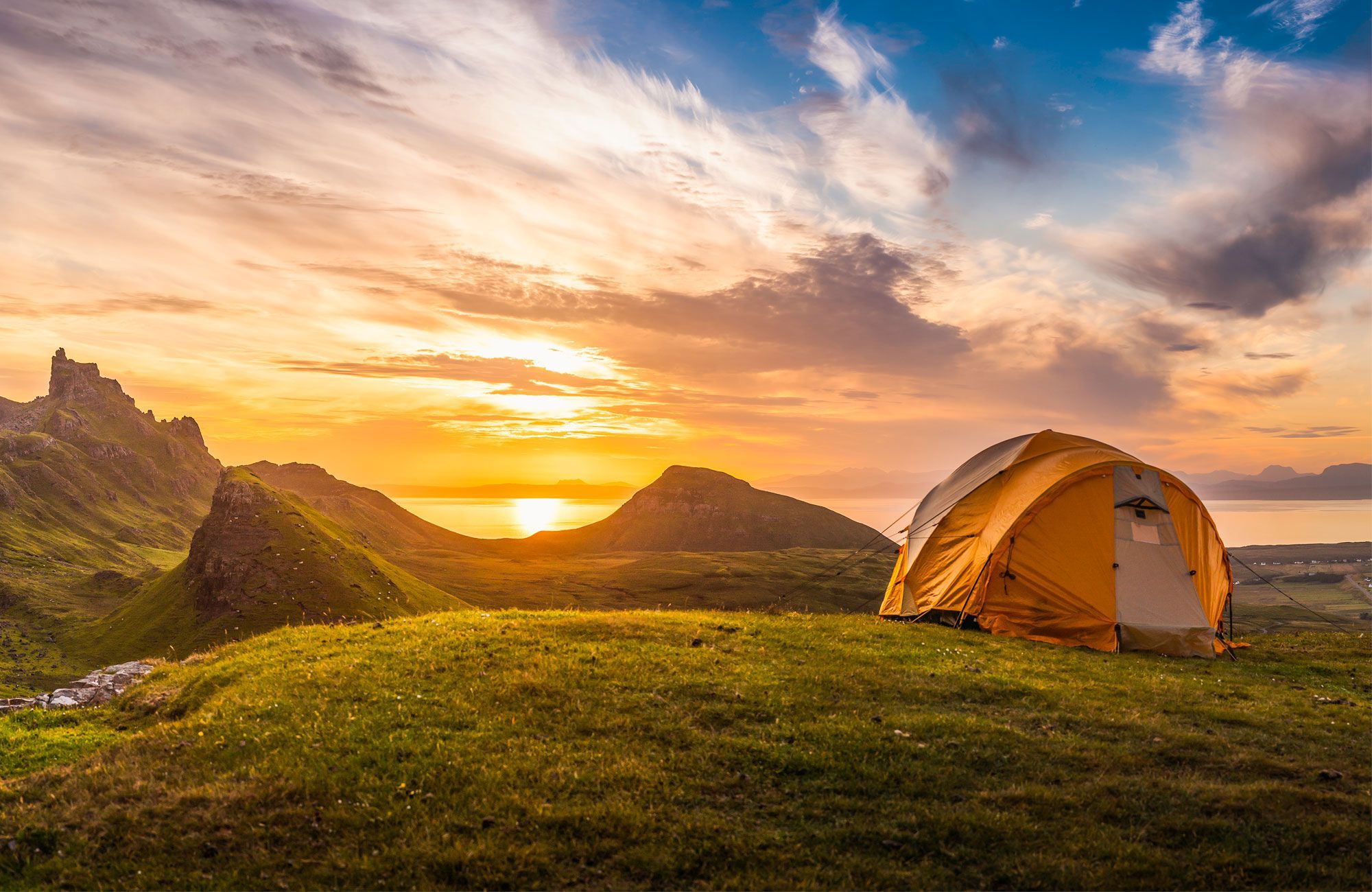
Wild camping in Scotland is an adventure that attracts many travelers. But there are important rules and tips you should know to protect nature and avoid conflicts. Learn more about the legal framework, the best places to camp, and how to camp responsibly.
Wild camping in Scotland: What is allowed?
Wild camping in Scotland is a popular way to experience the breathtaking landscape up close. Unlike in many other countries, wild camping is legal here under certain conditions. But what rules must be observed to avoid conflicts and protect nature?
- Wild camping is generally permitted in Scotland thanks to the Scottish Outdoor Access Code, which regulates the right of access to nature. This law allows you to enjoy nature as long as you act responsibly and respect the environment.
- When wild camping, you may only pitch your tent for a short period of time and should remain as inconspicuous as possible. It is recommended that you do not camp in the same place for more than two to three nights in order to avoid impacting on the natural environment and to prevent conflicts with landowners.
- Be sure to pitch your tent at least 100 meters away from roads and buildings to respect the privacy of local residents. This helps to preserve the landscape for all visitors and minimize conflicts.
- Avoid camping in large groups, as this has a greater impact on the environment and can lead to more conflicts with landowners. Smaller groups are less conspicuous and leave fewer traces in nature.
The best places for wild camping in Scotland
While Scotland offers many opportunities for wild camping, it is important to know the best places to have an unforgettable experience. Where are the most beautiful and accessible places to camp?
- The Scottish Highlands are a paradise for wild campers, with their rugged and unspoiled nature. Places like Glen Coe and the Cairngorms offer breathtaking views and a variety of hiking opportunities.
- The Hebridean Islands are also a popular choice for wild campers, with their white sandy beaches and clear blue waters. The Isle of Skye in particular attracts many nature lovers who want to explore its dramatic coastal landscape.
- Loch Lomond and The Trossachs National Park offers a mix of woodlands, mountains, and lakes that are ideal for wild camping. Here you will find many secluded spots that are perfect for a night under the stars.
- The region around the Scottish border, known as the Scottish Borders, also offers many opportunities for wild camping. This lesser-known region captivates with its rolling hills and historical sites that are well worth exploring.

Responsible wild camping:
How to do it
Wild camping requires a responsible approach to protect nature and ensure your own safety. What steps should you take to camp responsibly?
- Pack your equipment carefully and only take what you need. This reduces your weight and minimizes your impact on the environment. Remember to take all your trash with you to protect nature.
- Be sure not to leave any traces behind. This means breaking camp properly and leaving the site as you found it. Avoid damaging plants or leaving fire pits behind.
- Fires are often prohibited when wild camping, especially in dry areas. Instead, use a camping stove to prepare your meals. This reduces the risk of forest fires and protects the local flora.
- Respect wildlife and avoid disturbing or feeding animals. Nature is their home, and it is important to preserve natural habitats.
Pros and cons of wild camping in Scotland
Wild camping in Scotland can be a unique experience, but it also comes with challenges. What are the pros and cons to consider before you set off?
- A major advantage of wild camping in Scotland is the freedom it offers. You can explore the countryside at your own pace and enjoy the tranquility of nature, far away from crowded campsites.
- Another advantage is the opportunity to discover hidden gems of the Scottish countryside that are often inaccessible to regular tourists. This offers you a deeper connection to nature and unique experiences.
- One potential disadvantage is the unpredictable weather in Scotland, which can change quickly. It is important to be prepared for anything and to bring suitable clothing and equipment to stay dry and warm.
- One disadvantage may be the lack of infrastructure, as you are on your own when it comes to sanitary facilities or waste disposal. This requires careful planning and preparation.