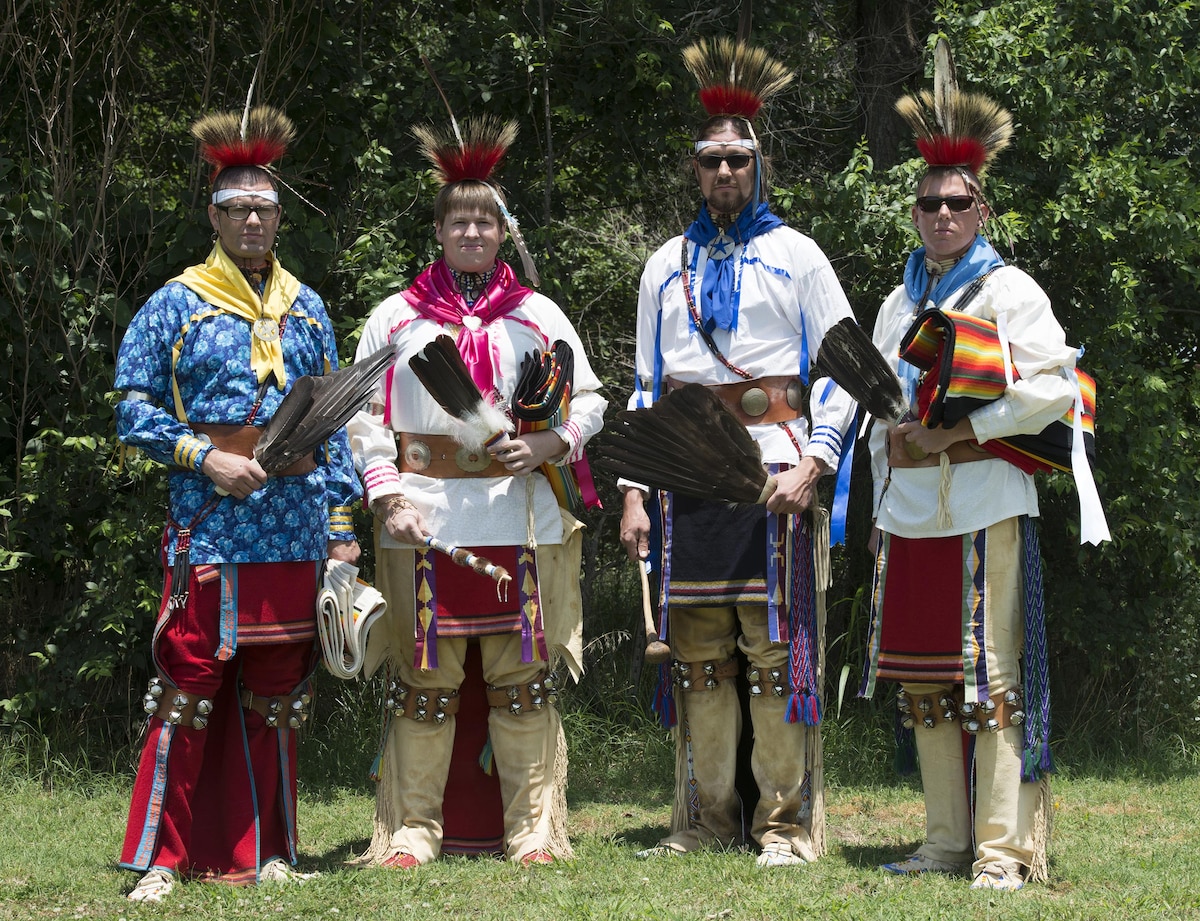
While dressing up as an Indian used to be very popular during Carnival, this costume is no longer appropriate and is politically controversial today.
Dressing up as an Indian: Playing with stereotypes
Let’s be honest: Who hasn’t dressed up as an Indian or a squaw at least once as a child at a carnival party and performed the supposedly typical war cry while slapping their mouth with their flat hand? But times are changing—especially when it comes to speaking and acting in a politically correct manner and showing more respect for minorities. That’s also why dressing up as an Indian seems less appropriate today.
- Because even if many people don’t want to hear it: just as the name “Negerküsse” (literally “Negro kisses”) for a type of chocolate-covered marshmallow treat is completely out of place today – and it doesn’t hurt anyone to call them “Schaumküsse” (literally “foam kisses”) or ‘Schokoküsse’ (literally “chocolate kisses”) – the stereotypical image of Native Americans conveyed by such a costume is discriminatory and unnecessary.
- The issue is therefore closely linked to cultural appropriation, disrespect, and the spread of stereotypes, which can have a profound impact on indigenous communities.
- Cultural appropriation: The term cultural appropriation describes the situation in which elements of a foreign culture are adopted and used without understanding or respect—often by members of a dominant culture. When people squeeze themselves into “Native American costumes,” they are adopting symbols and traditions of a culture without knowing their meaning or context. For many indigenous peoples, items of clothing such as feather headdresses or traditional robes have deep spiritual and cultural significance. By dressing up as an “Indian,” you trivialize that significance.
- The image that many people have of “Indians” is often a distorted one based on historical misunderstandings and media portrayals. Western movies, comics, and cartoons have created a stereotypical image of “Native Americans” over decades—as fierce warriors or mystical shamans. These simplified and often derogatory portrayals reinforce prejudices against indigenous peoples and their way of life. An “Indian costume” may seem harmless to some, but it contributes to the dehumanization of a group that has already been marginalized for a long time.
- Indigenous peoples around the world have experienced a long history of colonization and oppression. Their culture, language, and customs have been systematically suppressed, and they themselves have been displaced and murdered. When people from Western societies wear indigenous clothing as costumes today, it reminds the descendants of these peoples of this painful legacy. It can be perceived as an act that mocks their cultural identity, while that same identity was brutally crushed in the past.

Alternatives to problematic costumes
Of course, no one should be deprived of the fun of dressing up and celebrating together at carnival, Mardi Gras, and other festivities. But this can also be done without offending other cultures or reinforcing stereotypes.
- There are numerous creative, respectful, and funny costumes that are not based on appropriating or degrading foreign cultures.
- Instead of wearing an “Indian costume,” you can dress up as an animal, fantasy character, or historical figure, for example.
- The decision not to dress up as an “Indian” means treating cultural diversity with respect and avoiding stereotypes. Indigenous communities are still fighting for recognition, rights, and the protection of their traditions. A first step in supporting these struggles is to not trivialize their culture as carnival fun.