150
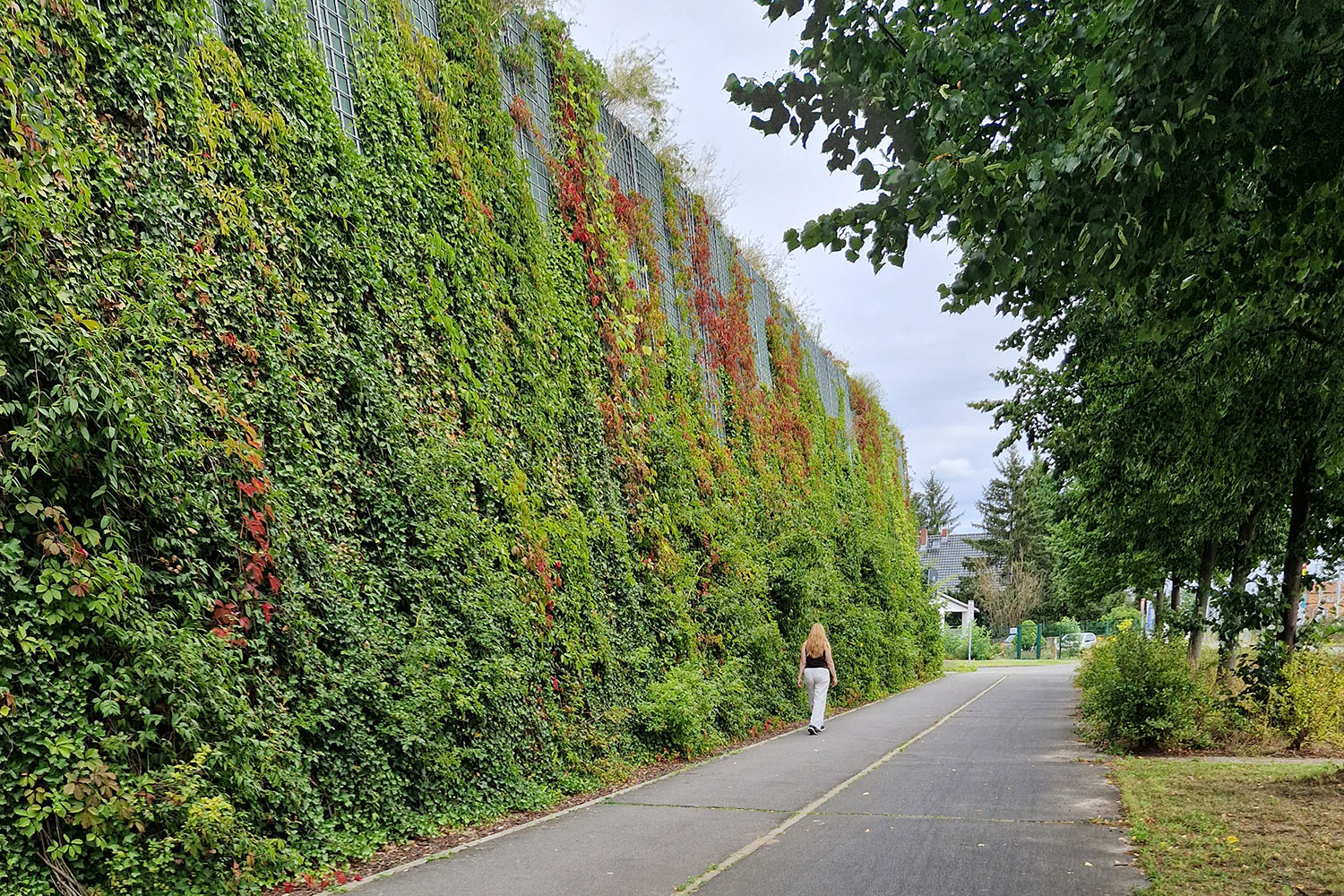
Plants can also provide noise protection. For example, if you live on a street, a hedge can certainly serve as a sound barrier. In this article, we’ll explain everything you need to know about reducing noise with plants.
Noise Protection: Plants can serve as sound barriers
Hedges, trees, and shrubs with dense foliage can dampen noise. If you live on a street or near the city center, a green hedge is therefore a good choice as a barrier between your property and the street. However, even a hedge does not provide 100% sound protection.
- Trees with dense foliage block sound and filter out noise. If you plant a green hedge around your house, the noise will be dampened. Street noises will sound more muffled and be less of a disturbance.
- Green hedges, however, aren’t just sound absorbers—they also create an idyllic atmosphere. Tall hedges in particular, which block the view of the street, have a positive effect on your mental well-being.
- For a hedge to be effective at reducing noise, you should definitely pay attention to the ground surface. For example, if you have stone slabs in your garden, noise from the street is transmitted through the stone material.
- When planting a hedge for noise protection, therefore, make sure the stone slabs are at least one meter away from the hedge. Ideally, plant groundcover or grass in the area beneath, in front of, and behind the hedge. These plants also serve as noise barriers.
- By the way: If you want to plant a hedge as a noise barrier, it’s best to choose an evergreen hedge. Only that will protect you from noise all year round.

These plants are suitable for noise protection
A variety of hedge plants are suitable for protecting you from noise all year round. When making your selection, however, you should always consider how much noise, for example, a street causes in your yard and home.
- The higher the frequency range of the noise, the smaller the hedge’s leaves should be. This is because the more leaves a plant has, the better its sound-blocking effect. If the noise exceeds five kilohertz, be sure to choose a hedge with plenty of leaves.
- Also keep in mind that vertically oriented leaves block more noise. In addition, make sure to maintain your shrubs and hedges well. If large gaps form in the plant wall, more noise will get through.
- The following evergreen hedges are suitable as natural noise barriers: red-leaved photinia, European yew, evergreen privet, copper beech, Western red cedar, boxwood, Leyland cypress, and evergreen alpine rose.
- If you’d like to plant a hedge around your property, it’s best to check in advance the regulations, building codes, and neighborhood laws in your state and county.
- According to the law, hedges and shrubs must always maintain a fixed distance from property lines.