370
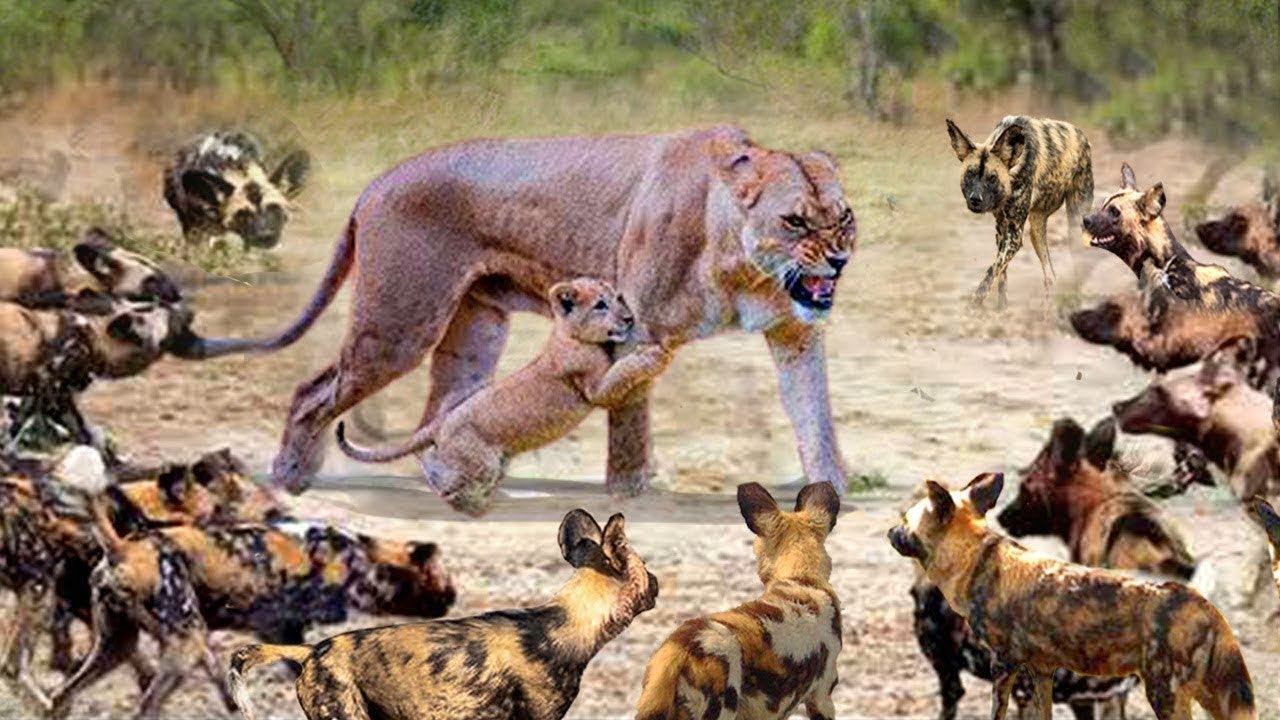
The list of lions’ enemies is limited. These animals have few natural enemies. Nevertheless, there are threats that can become dangerous.
These Are Potential Enemies of Lions
Lions are the apex predators of the savanna. They are considered invincible and feared by other animal species. But even lions have a few natural enemies in their habitat that they should be wary of.
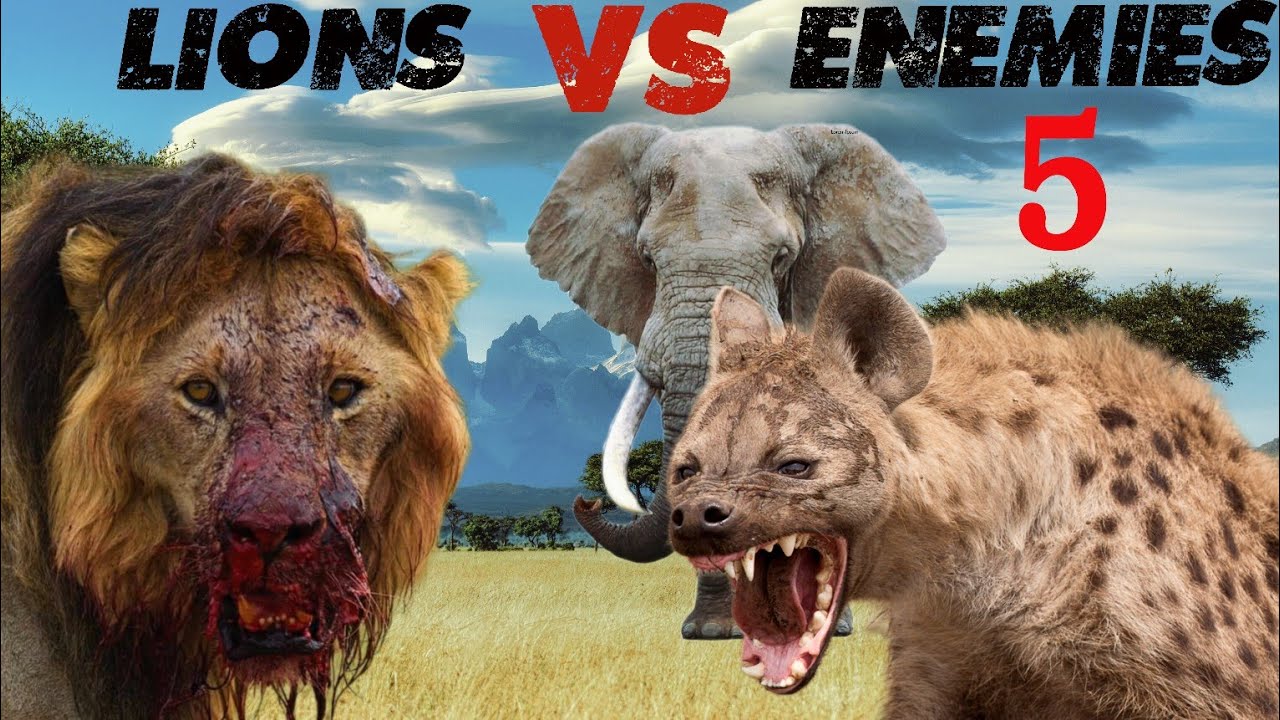
- Hyenas: Hyenas and lions often share the same territory and compete for prey. Although hyenas alone do not pose a serious threat, large groups of hyenas can attack and drive away weaker or younger lions in particular.
- Crocodiles: Crocodiles pose a danger to lions when they drink from rivers or lakes or cross them in the African wilderness. Crocodiles possess great strength and the ability to drag even adult lions underwater.
- Other lions: Rivalry between lion prides can lead to fights, especially when new males attempt to take over a pride. During these confrontations, lions can be injured or even killed. For example, when a new male takes over a pride, he may kill the cubs to make the females ready to mate again more quickly.
- Elephants: Although these animals are not natural predators, they defend themselves aggressively when they feel threatened. An angry elephant can easily chase a lion away or even kill it.
- Buffalo: Especially in herds, buffalo can be dangerous to lions. They attack if lions get too close to their young or injured members.
Humans as Enemies of Lions
On the list of lions’ enemies, the greatest threat is not an animal from the savanna. It is humans. This is also the reason why the lion population has declined so drastically. Of course, lions can also pose a threat to humans, but the lion is currently definitely at greater risk:
- Habitat loss: The expansion of human settlements and agricultural land is causing lions to lose their natural habitat. Where there used to be vast savannas with abundant prey, fields and pastures are now emerging, destroying the lions’ livelihood.
- Conflicts with livestock farmers:
As prey becomes scarcer for lions, they increasingly attack livestock such as cattle and sheep kept near human settlements. Livestock farmers view lions as a threat to their livelihoods and therefore often resort to radical measures. In Africa, it is unfortunately common for farmers to poison or shoot lions to protect their livestock. - Trophy hunting: Trophy hunting of lions is legal in some countries, particularly in southern African nations. Wealthy hunters from other countries pay large sums to hunt lions for trophies. This practice results in the killing of primarily strong, healthy male lions, which are particularly important for the survival and health of their prides.
- Poaching and illegal trade: The demand for lion bones, teeth, and other body parts is growing, especially in traditional medicine. Even though lion products are not as sought-after as those from tigers, poaching is becoming an increasing threat.
- Traps for other animals: It is not uncommon for lions to perish from illegal trapping methods such as poisoned bait or traps that are actually intended for other animals. Here, too, poaching is the cause that increasingly threatens the lion population.
- To ensure that you can continue to admire lions from a distance on a safari in Africa , measures are needed to protect the animals’ habitat. For example, emphasis should be placed on the expansion of protected areas, as well as stricter guidelines for trophy hunting.