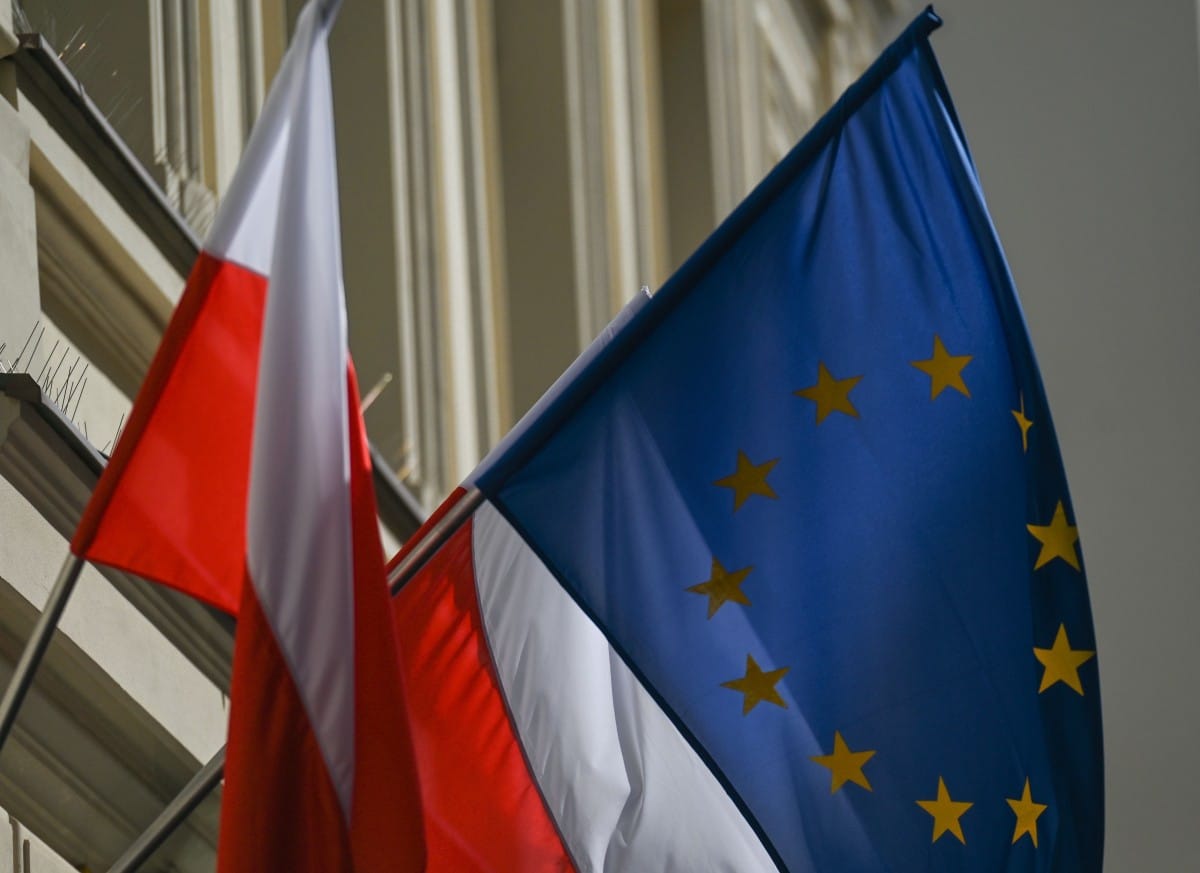
Why Doesn’t Poland Use the Euro? The Polish government has decided not to adopt the euro. In this article, we examine the reasons behind this decision as well as its potential consequences.
Why doesn’t Poland use the euro? Political and economic reasons
Although Poland is a member of the European Union, it has not yet adopted the euro as its currency. This decision raises many questions and is a complex issue deeply embedded in the country’s economic and political structures.
- Upon joining the EU, Poland committed to adopting the euro as soon as it met the Maastricht criteria. However, this has not yet been the case, due to issues with price stability or the budget deficit.
- Furthermore, Poland’s decision not to adopt the euro yet is heavily influenced by politics. Many Polish politicians argue that maintaining the zloty as the national currency is a matter of sovereignty. They fear that adopting the euro would limit control over their own monetary policy, which could be particularly problematic in times of crisis.
- Another reason lies in Poland’s economy itself. If it were to adopt the euro, the country might be forced to adhere to strict fiscal rules that are currently difficult to implement. Furthermore, the flexible exchange rate regime with the zloty offers Poland a certain degree of protection against external economic shocks, which could be lost with a fixed peg to the euro.
- Public opinion also plays a decisive role. Polls show that a significant number of Poles are skeptical of the euro. Many citizens believe that the euro could lead to price increases, as was observed in other European countries following its introduction.
- Last but not least, adopting the euro is a complex and expensive process. Poland would have to adapt its entire financial infrastructure, which would entail significant costs. In the long term, however, Poland must strive to meet the criteria and adopt the euro.
Euro Abstinence in Poland: Economic Pros and Cons
The decision against the euro has both positive and negative economic consequences for Poland, affecting various sectors.
- One of the main advantages of retaining the zloty is flexibility in monetary policy. Poland can set its interest rates independently to respond to economic challenges. This gives the country the ability to respond more quickly and specifically to internal economic developments than countries in the Eurozone.
- On the other hand, Poland loses potential benefits of the euro, such as more stable trade relations within the Eurozone. Companies could suffer from exchange rate fluctuations, which complicate trade and investment. This could impair the competitiveness of Polish firms in the European market in the long term.
- Opting out of the euro also affects the country’s creditworthiness. While some investors value the flexibility of the zloty, others prefer the stability of the euro. This can impact borrowing costs and worsen the terms for international loans.
- Despite all this, the Polish economy remains stable and continues to grow.
The decision against the euro has not prevented Poland from achieving impressive economic growth in the past, which is partly due to the wise use of its own monetary and fiscal policies.

Poland’s Politics and the Euro: Influencing Factors and Debates
Poland’s political landscape plays a central role in the debate over the introduction of the euro. Various political actors and parties hold differing positions on this issue.
- The ruling party in Poland, Law and Justice (PiS), holds a Euroskeptic stance and opposes the introduction of the euro. It argues that retaining the zloty allows Poland greater economic freedom and independence. This is in line with the party’s nationalist rhetoric, which emphasizes the country’s sovereignty.
- Opposition parties, on the other hand, are often more open to the idea of joining the euro. They see it as an opportunity to deepen Poland’s integration into the EU and strengthen international relations. This divergence leads to intense political debates and significantly influences public opinion.
- International influences also play a role. Poland has close economic ties to Germany, a strong advocate of the euro. Despite this connection, Poland has so far resisted giving in to the pressure, as domestic political considerations take precedence.
- Additionally, historical experiences influence attitudes toward the euro. Memories of periods of economic instability in Europe give rise to skepticism about abandoning the national currency. These experiences are often used in political campaigns to highlight the risks of joining the euro.
Poland’s Decision Against the Euro: Implications for the Country and the EU
Poland’s decision not to adopt the euro has far-reaching implications—both within the country and at the European level. It is important to understand these consequences in order to better assess Poland’s future development within the EU.
- For Poland, staying out of the euro means it can continue to pursue an independent monetary policy. This gives the country a certain degree of autonomy, but also the responsibility to ensure economic stability through national measures. At the same time, however, Poland must find ways to compensate for potential disadvantages regarding trade and investment.
- At the European level, Poland’s decision highlights the existing disagreement within the EU regarding the adoption of the euro. This disagreement can hinder economic integration and exacerbate tensions between eurozone and non-eurozone countries. The question arises as to how the EU should deal with such differences in order to preserve its unity.
- The decision also has implications for EU cohesion. While some member states view the euro as a symbol of European integration, Poland’s stance could lead other countries to also hesitate to join the eurozone. This could alter the dynamics within the EU and spark discussions about alternative models of cooperation.
- In the long term, Poland’s decision could also affect its standing within the EU. While some view this as an expression of national sovereignty, other members might interpret it as a lack of willingness to fully integrate. This could weaken Poland’s position in EU negotiations and redefine its role within the community.