389
Are lemon sharks a danger to humans? Find out more about the behavior and danger of lemon sharks in this article.
Behavior and danger of lemon sharks
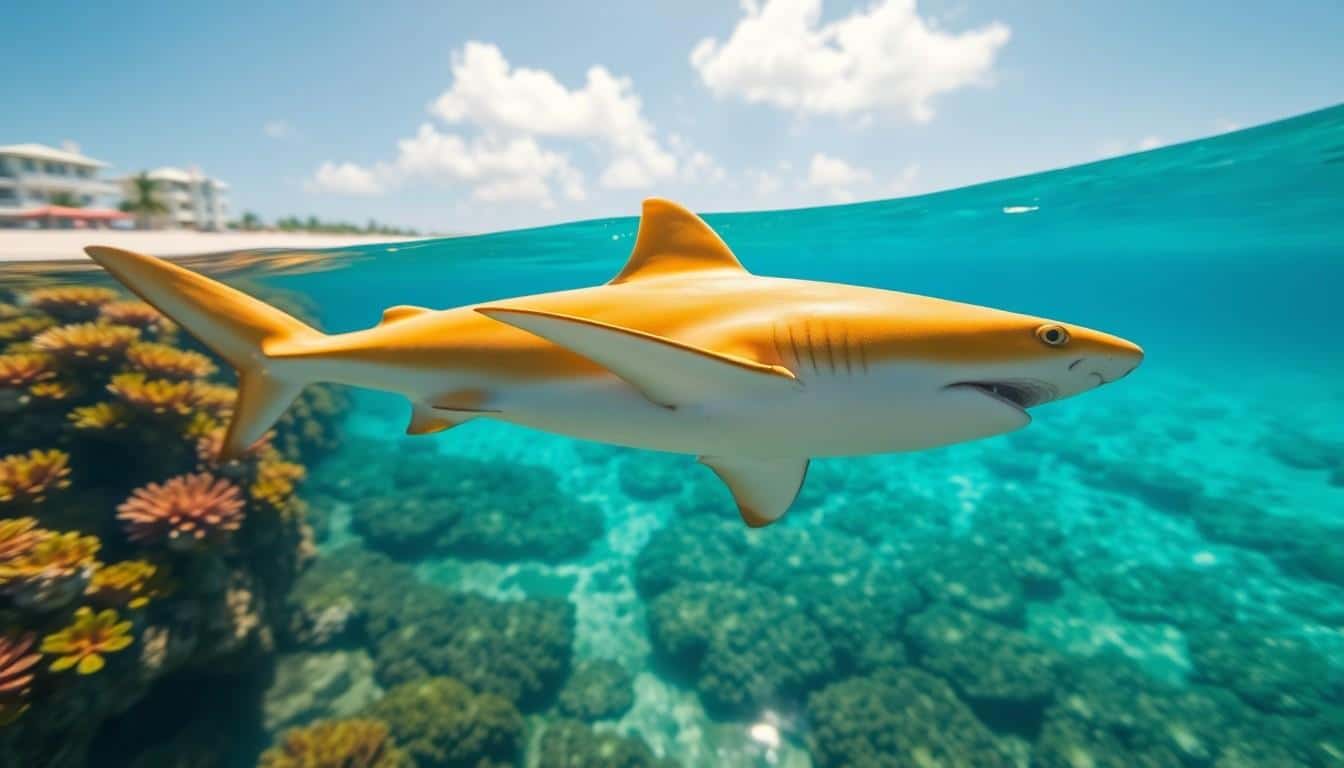
Lemon sharks are known for their yellowish coloration and are a rather shy shark species. But how dangerous are they to humans? Here we explain.
- Lemon sharks are nocturnal predators that often bury themselves in the sand and rest during the day.
- Although they are a large shark species, attacks on humans are extremely rare and are usually due to provocation, stress on the part of the animal or feeding.
- Their prey consists mainly of fish and invertebrates, and they are excellent hunters in murky waters.
- Researchers emphasize that lemon sharks show no natural aggression towards humans and tend to live in seclusion.
- Although interactions between sharks and humans are rare, due to the size and potential power of the lemon shark, it is advisable to treat them with due respect.
- It is therefore advisable to treat the animals with respect and to be vigilant. However, there is no need to be alarmed.
- The potential risk of unpredictable shark behavior should be considered, especially in situations where there is a large number of animals in a confined space or where food or blood is present in the water.
This could lead to possible incidents. - Divers should be fully informed about the shark species present in the region and their behavior. It is recommended to dive in the company of experienced guides to ensure safety. Lemon sharks should not be touched or provoked during encounters.
- When diving with lemon sharks, it is advisable to wear dark wetsuits and avoid exposing skin if possible, as contrasts could encourage the sharks to engage in undesirable behavior, such as biting. In addition, divers should always keep an eye on the sharks so that they can react quickly to potential changes in behavior.
Natural habitat and interaction with humans
In order to better understand the danger posed by lemon sharks, it is important to understand their natural habitats and behaviors.
- Lemon sharks prefer shallow coastal waters and are often found in coral reefs and mangrove forests.
- In their natural habitat, they are important components of the ecosystem and contribute to the health of the ocean.
- Encounters with humans are generally unproblematic as long as divers and swimmers keep a respectful distance.
- Protective measures and education about sharks play an important role in reducing unnecessary fears and avoiding conflicts.

Environmental factors and protection of the lemon shark
In addition to behavior and habitat, the environmental factors that influence the life of lemon sharks are also relevant for understanding their dangerousness.
- The population of lemon sharks is threatened by overfishing and habitat loss, which can affect their behavior.
- Marine pollution and climate change are other factors that can trigger stress in the sharks and lead to atypical behavior.
- Conservation programs and research projects are crucial to preserving the population of lemon sharks and learning more about them.
- Through sustainable tourism and conscious interaction with the sea, humans can also contribute to improving the living conditions of sharks.
Myths and facts about lemon sharks
In conclusion, it is important to look at the relationship between humans and lemon sharks from an objective perspective and debunk myths.
- The myth that sharks are generally dangerous to humans is persistent, but does not apply to lemon sharks.
- Statistics show that shark attacks are very rare overall and lemon sharks play a negligible role.
- Education and knowledge transfer about sharks is crucial to reduce fears and promote interest in marine conservation.
- Lemon sharks can even be observed during dives if approached correctly and safety precautions are taken.