512
Theoretically, it is easy to explain what heavy weapons are. However, depending on the situation, the term is often stretched when it comes to details. The fact is: heavy weapons are an essential part of the strategy of modern armed forces. What else you need to know
What are heavy weapons and what other types of weapons are there?
Although weapons technology and war strategy have developed considerably since the First and Second World Wars and new technologies such as drones or self-propelled systems are increasingly being used in war zones, heavy weapons and manned forces remain the core of warfare.
- Since the armed forces are divided into army, navy and air force , depending on the battlefield, a distinction is made between four categories of heavy weapon systems.
- In the field of ground forces, heavy weapons include armored vehicles such as main battle tanks, light tanks and armored personnel carriers. Although their strategic importance has diminished somewhat in Europe, they are still of great importance in Latin America and Asia.
- Fighter aircraft such as fighter planes, combat helicopters and fixed-wing aircraft are used as heavy weapon systems in the air force. They were and are of great importance for combat strategy in all recent wars in history.
- The navy on the other hand, requires heavy weapons in the form of main battle ships, which include both surface combatants and submarines. Due to global trade, the defense of international waterways is of central importance both against piracy and in the event of war.
- The final category of heavy weapon systems is artillery.
This includes self-propelled and towed guns with a caliber of more than 100 mm and multiple rocket launchers. - Small arms on the other hand, are firearms such as revolvers, rifles, carbines, assault rifles, submachine guns and machine guns that require ammunition. They are not only used in the event of war, but also in extra-state conflicts, criminal activities and for self-protection.
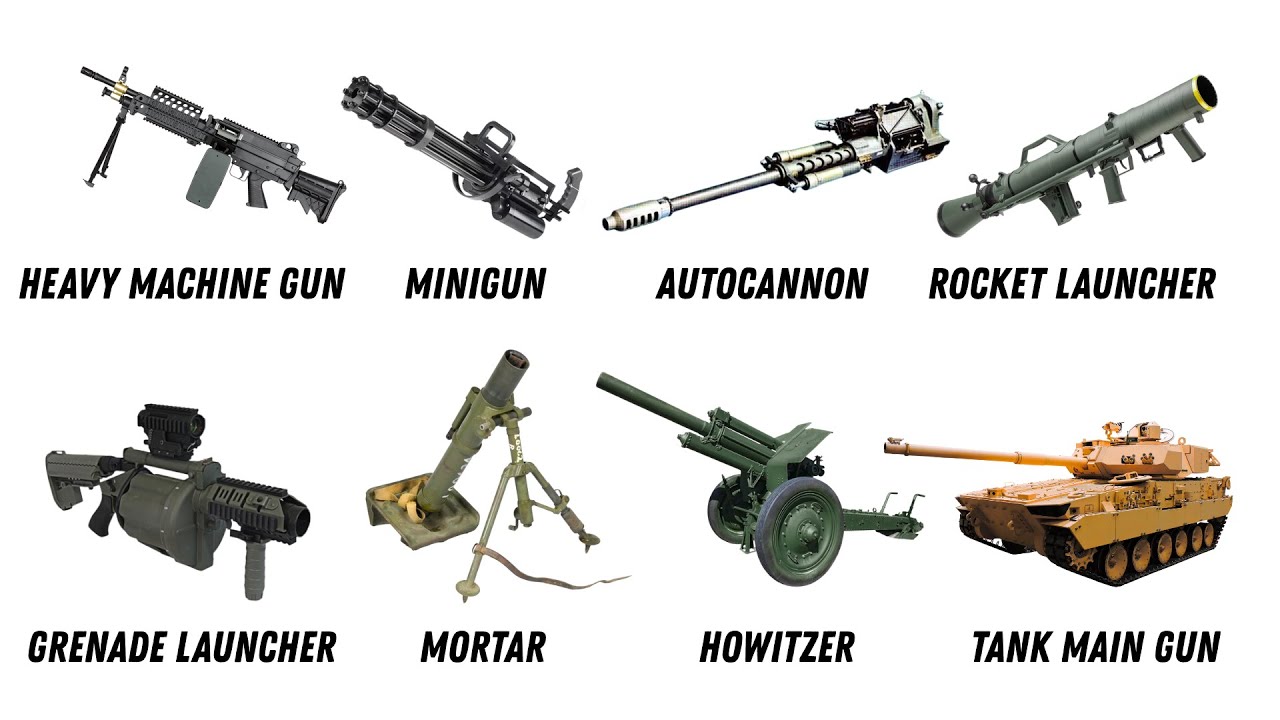
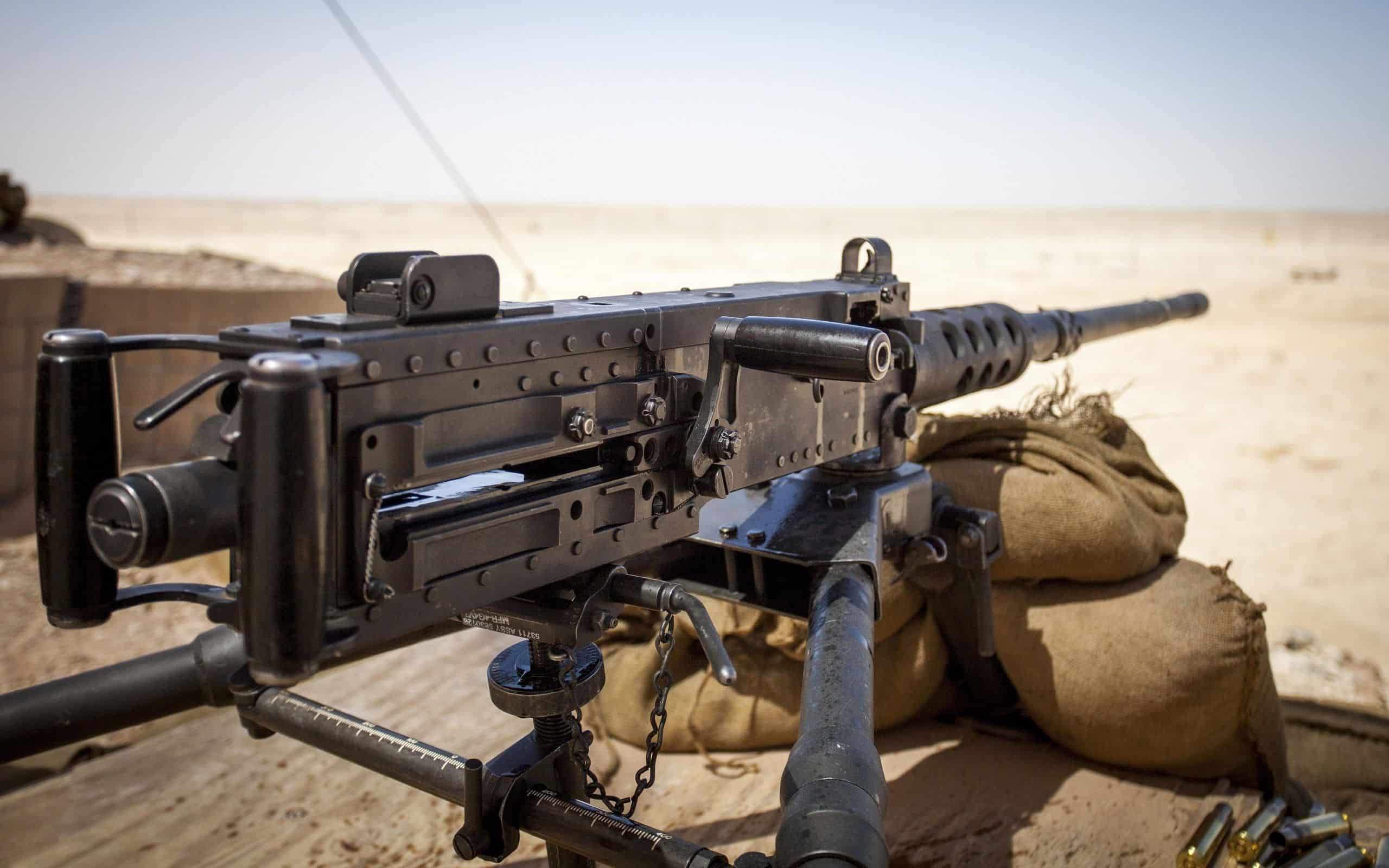
- Light weapons include large firearms such as grenade launchers, portable rocket launchers, bazookas, grenades, heavy machine guns and large mortars.
- Weapons of mass destruction include nuclear weapons, as well as biological and chemical weapons, which in turn include the targeted use of pathogens, pesticides and poison gas.