234
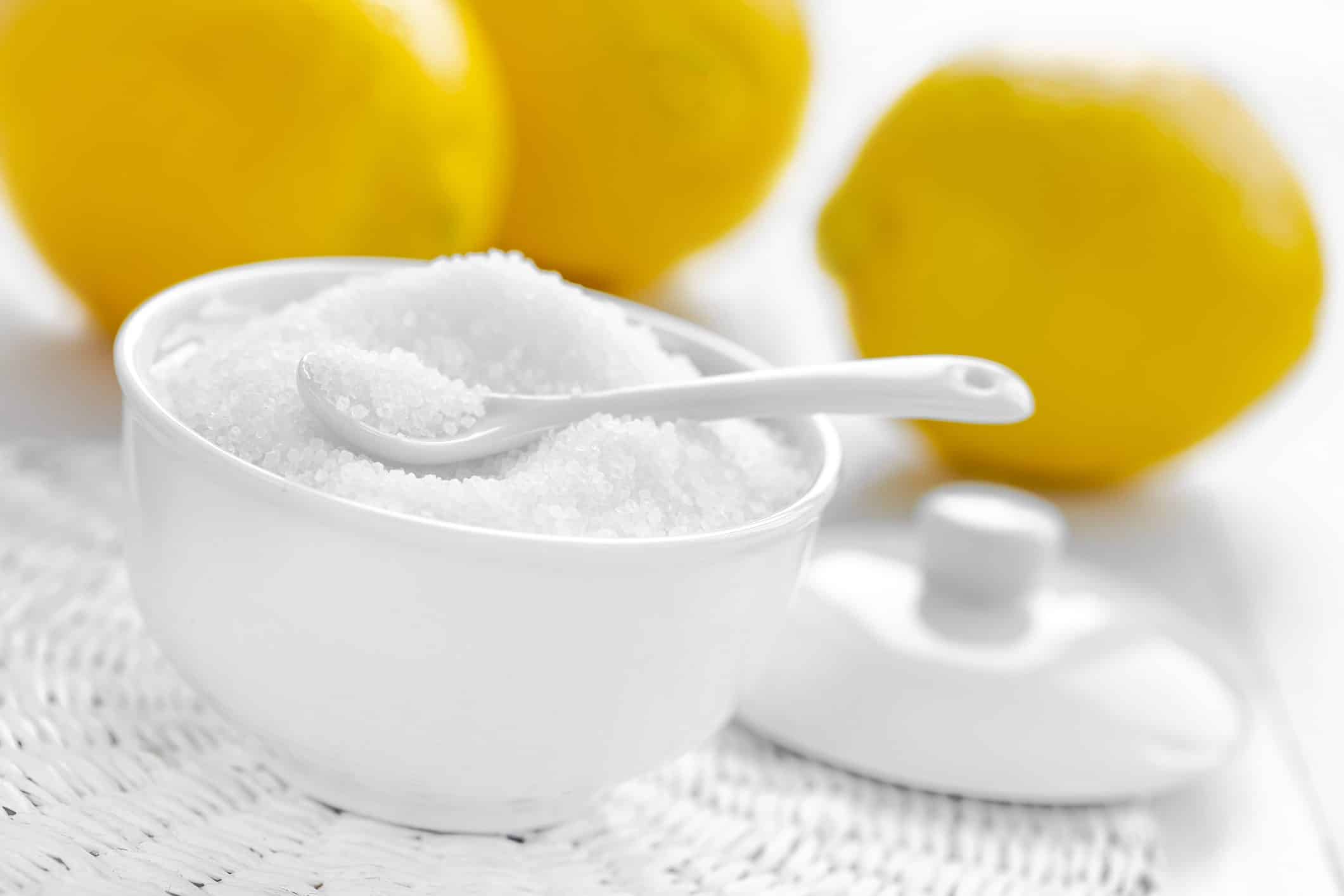
There are various substitutes for citric acid—both for culinary and technical applications. It is important to understand the specific role that citric acid plays in a recipe or application in order to choose the right alternative.
Fruits as a substitute for citric acid
Citric acid itself is a harmless ingredient. However, excessive consumption can lead to health problems. Therefore, opt for certain fruits when looking for a substitute as a home remedy.
- Lemon juice: Citric acid and lemon juice are not the same thing. Lemon juice is the naturally extracted liquid from lemons, while citric acid is produced industrially. This is usually done using genetically modified microorganisms, which convert sugar into citric acid.
- Lemon juice can therefore serve as a substitute. 200 ml of lemon juice is equivalent to about 40 g of citric acid. However, lemon juice does not provide the same preservative effect as pure citric acid. Products such as jams or syrups may therefore have a shorter shelf life when lemon juice is used.
- Fruit juices: Fruit juices such as currant, apple, or grape juice can also be used for syrups or jams. Instead of water, boil the fruit or flowers in these juices. The acid they contain adds flavor but does not completely replace the preservative effect of pure citric acid.
- Apple pieces: Even tart apples contain vitamin C (ascorbic acid) and are therefore a suitable natural alternative. Cut the apples into small pieces, wrap them in a cloth, and cook them directly in the jam or syrup. Here, too, the shelf life is shorter than when citric acid is used.
- However, a particular concern is that citric acid is added to many foods as a preservative. Citric acid acts as a chelating agent and can bind to metals. When combined with aluminum, it forms aluminum citrate, which may potentially damage cell membranes.
- Furthermore, citric acid increases the risk of tooth decay, as its high acidity erodes tooth enamel and thus impairs the teeth’s protective function. For these reasons, it is reasonable to ask about suitable alternatives.
- In the food industry, citric acid is produced almost exclusively through fermentation using genetically modified molds (mostly Aspergillus niger). This can be problematic for people with mold intolerance or certain allergies.

Citrovit, ascorbic acid, or vinegar as alternatives to citric acid
Citrovin and ascorbic acid can also be used as alternatives to citric acid.
- Citrovin is not a direct substitute for citric acid or lemon juice. It is a lemon juice concentrate consisting of water, about 20 percent lemon juice, added citric acid, and natural flavors. Note: Many of these concentrates also contain added sugar, which can affect the taste and composition of your final product.
- Ascorbic acid (vitamin C) can serve as a substitute, particularly because of its antioxidant effect. However, it has a significantly weaker acidifying effect than citric acid and therefore cannot be substituted on a one-to-one basis in some recipes. Acerola cherries (powder or juice), sea buckthorn juice, or fresh orange or lemon juice are also suitable natural sources of vitamin C.
- For cleaning purposes: Citric acid is also often used for cleaning —for example, for descaling or removing odors. One possible alternative is vinegar essence. This also works to remove limescale, but is not suitable for all surfaces: Vinegar should never be used on natural stone such as marble or granite, as it can damage these materials.