571
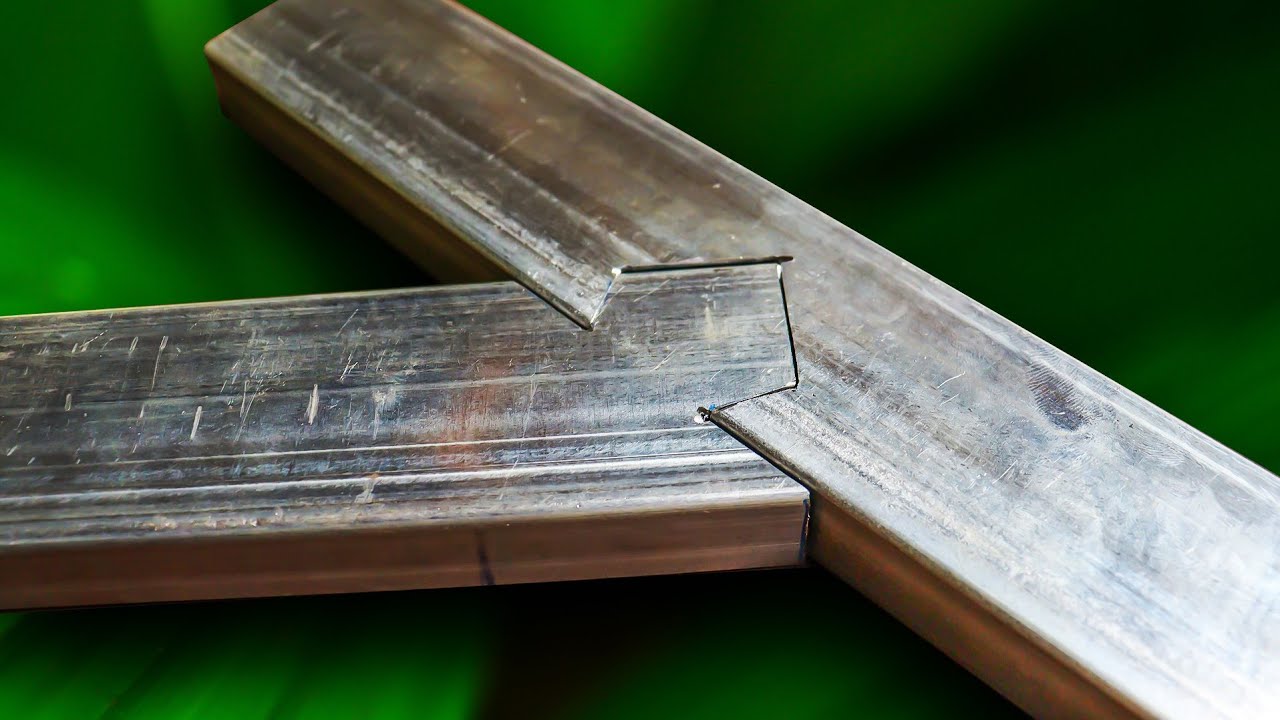
Metals can also be joined without welding. Normally, these are usually welded at high temperatures. However, this requires a lot of skill and expensive equipment. We give you the best tips and tricks for joining metals without welding.
Join metal: How to do it without welding
Even in industry, a wide variety of metals are increasingly being bonded instead of welded. The reason for this – in addition to the cost factor – is the ever-improving stability of modern adhesives. Find out how you can bond metal below.
- The right adhesive: The first thing to consider when choosing an adhesive is the metal to be treated. Most metals can be bonded together with a reaction adhesive . These consist of two components. It is best to talk to a specialist beforehand.
- Preparation: As is so often the case, careful preparation is also necessary for bonding metals. In order for the adhesive to adhere well, the metal surface must be completely free of dirt and grease.
You can use brake cleaner, for example. This is available in most DIY workshops. - Application: Apply the adhesive according to the manufacturer’s instructions. It is now important that both metal components are pressed together with pressure. This is the only way to ensure high stability of the bonded joint. Use a vice or several screw clamps, for example.
- Do not load the workpiece until the curing time specified by the manufacturer has elapsed.
Screw or rivet metal: This is how it works
As an alternative to gluing, you can also join all metals with screws or rivets. Read on to find out how to do this and what you should look out for.
- For example, to attach a metal hook to a sheet metal wall, self-tapping sheet metal screws or blind rivets are usually used.
- Sheet metal screws can be attached without the need for a drill you simply need to screw them into the material using a screwdriver. The tip of the screw is similar to that of a metal drill and therefore drills its own way through the sheet metal.
- Blind rivets , on the other hand, require an existing hole in the material. Insert the thick end of the rivet into this hole and press it together using suitable riveting pliers. Make sure that the hole in the sheet has the same diameter as the rivet used. Otherwise there will be no reliable connection between the materials;
- Thicker metal parts are connected with threaded screws . To do this, you need to drill a hole through both metal parts and insert the screw through it. A nut is then screwed onto the other end of the screw and tightened with a hexagonal wrench.
- For movable connections, it is recommended to use self-locking nuts. These have a rubber ring in the internal thread that fixes the nut in position.
- Important: Always remember which metal you want to connect.
For stainless steel or aluminum, it is advisable to use blind rivets or screws made of the appropriate material. If, for example, you connect two stainless steel sheets with normal steel rivets, this can lead to unsightly rust residue on the component.