143
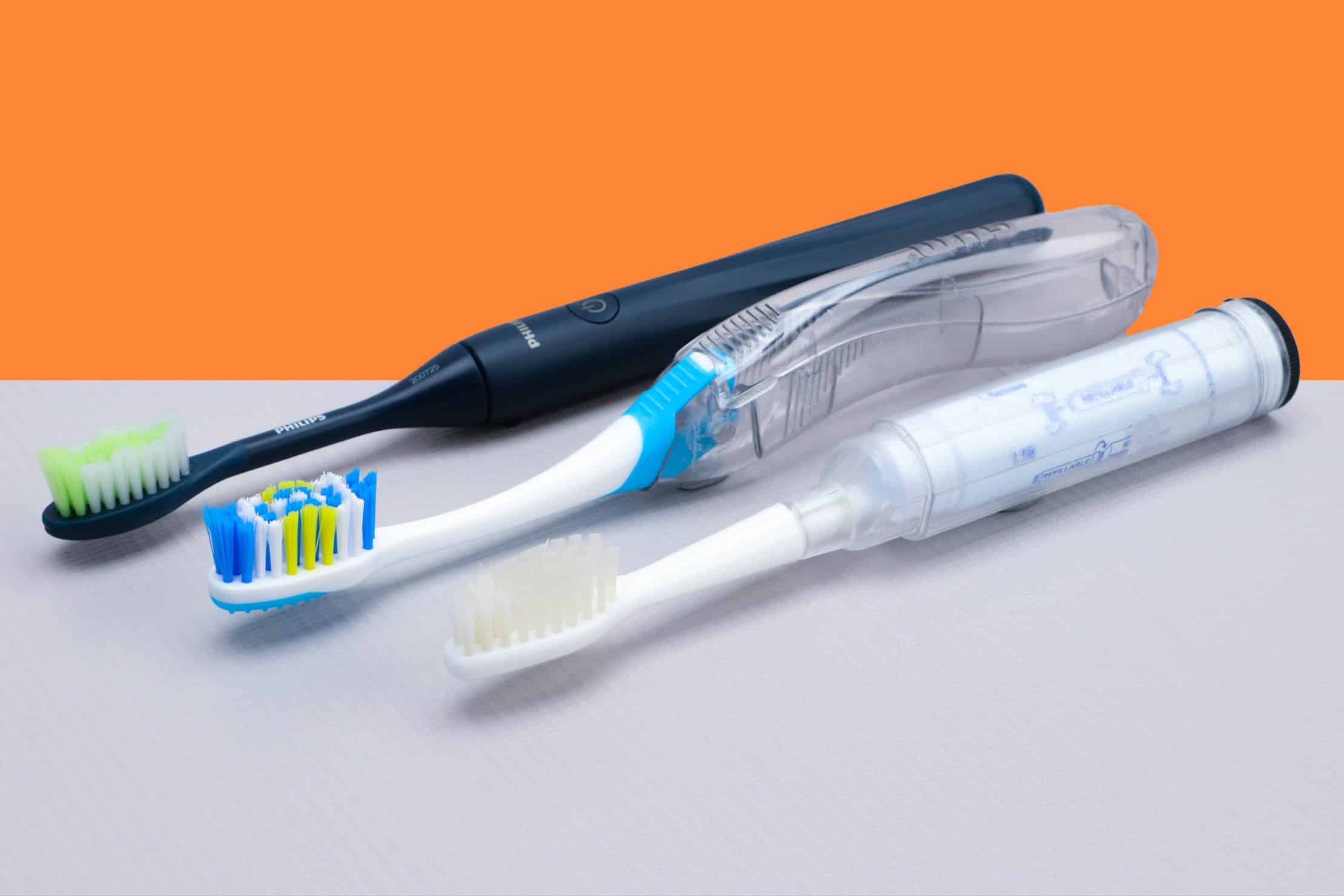
Many travelers wonder whether they can carry an electric toothbrush in their carry-on luggage. Read this article to find out what you need to keep in mind and what the regulations are for carrying toothpaste.
Electric Toothbrushes in Carry-On Luggage: Be mindful of batteries and liquids
- Many electric toothbrushes contain lithium-ion batteries. Special safety regulations apply to these types of batteries: Lithium-ion batteries must be carried in carry-on luggage. They must not be packed in checked baggage , as there is a risk of fire in the event of damage.
- Other battery types, such as nickel-metal hydride (NiMH) batteries, are less critical, but airlines still recommend carrying them in your carry-on luggage for safety reasons. It is best to check with your airline as well, as individual airlines may have their own rules regarding the carriage of electronic devices.
- Electric toothbrushes are formally classified as electronic devices. Therefore, airlines may require that they be removed from your carry-on luggage and presented separately at the security checkpoint—similar to laptops or tablets. Pack your toothbrush so that you can remove it quickly and easily if necessary.

Carry-on luggage: Toothpaste while traveling
If you want to brush your teeth with your electric toothbrush, you will of course also need toothpaste.
- When bringing toothpaste, you must observe the general liquid regulations for carry-on luggage: Individual containers (e.g., toothpaste tubes) may hold a maximum of 100 ml. All liquids combined must fit into a transparent, resealable 1-liter bag. Only one such bag is allowed per person.
- In many drugstores, you’ll find toothpaste and other toiletries in travel-sized packages.
- To save space in the liquid bag, you can switch to toothpaste tablets. These are not considered liquids and can be carried freely in your carry-on luggage. Additionally, they are lightweight, hygienic, and ideal for shorter or minimalist trips.