269
Many hobby gardeners use road salt to control weeds. However, this effective method is not without controversy and is even prohibited.
Road Salt for Weed Control: Effects and Use
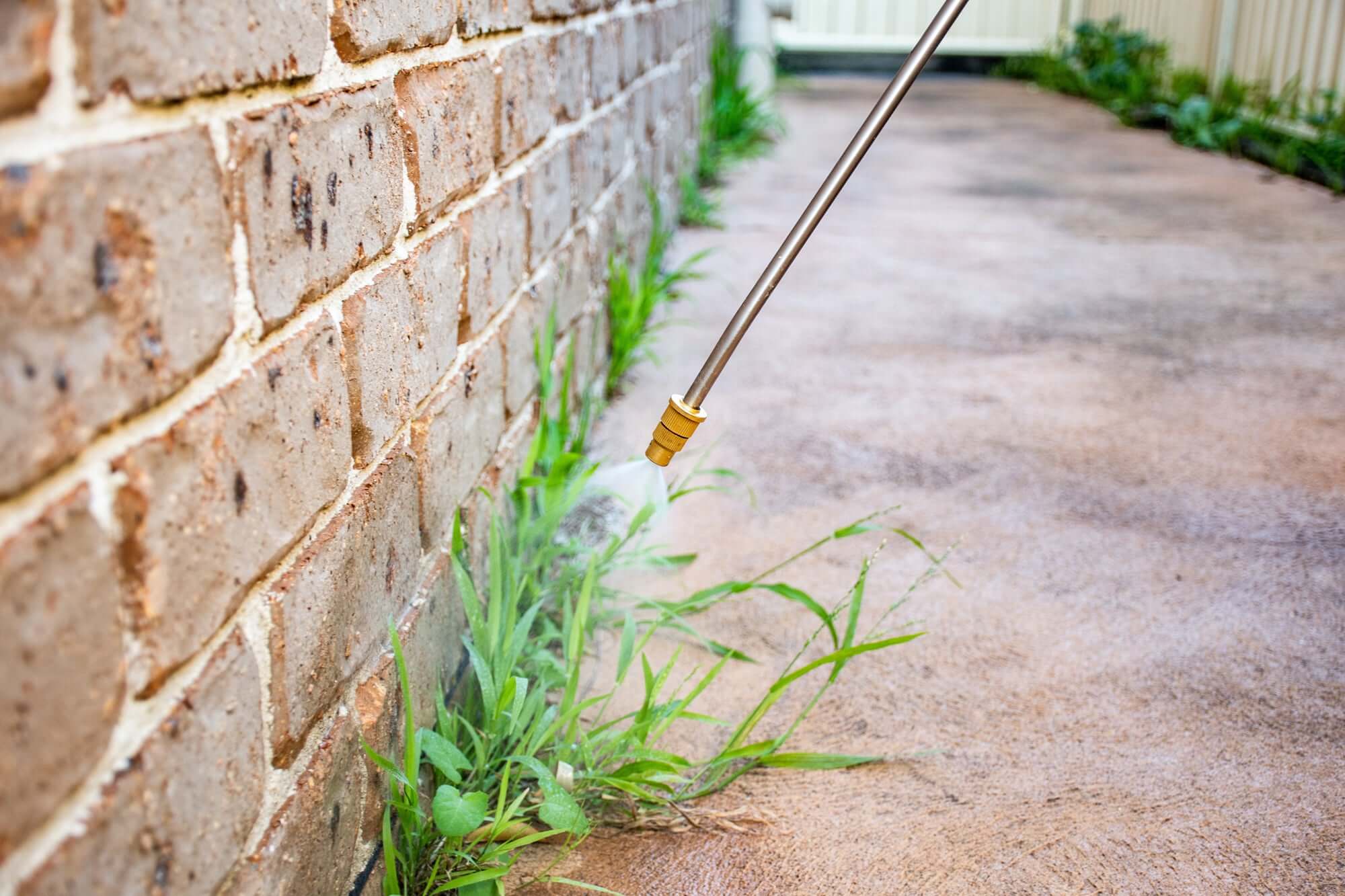
Road salt consists of about 98 percent table salt. If you sprinkle it on a plant, the plant will wither and can be easily pulled out of the ground after a few days.
- If you want to use salt to control weeds, you can sprinkle it directly on the plants or mix it with water. Use a mixing ratio of 100 grams of salt per liter of water.
- But be careful—there is a ban on road salt: According to Germany’s Plant Protection Act, the use of road salt (and other salt-based home remedies such as vinegar water or baking soda) against weeds is generally not permitted—even on private property.
- The reason: Salt damages the soil, endangers microorganisms, harms neighboring plants, and can contaminate the groundwater. The often-mentioned “gray area” no longer exists, as the legal situation is now clear. Violations can result in hefty fines.
- Even though a salt solution kills weeds in the short term, root remnants often remain, causing plants to sprout again. Furthermore, repeated use of salt can render the soil infertile in the long term and even damage paved surfaces.
- Hot water is just as effective and even more environmentally friendly than salt. This is also simply poured over the plants. Alternatively, you can destroy your weeds with a weed burner .
- Another alternative is mechanical removal using a joint scraper or by traditional weeding. This method is effective, leaves no residue, and poses no risk to the environment.
- If you want fewer weeds in your garden in the long run, you should opt for dense planting or ground cover—they give weeds hardly any chance to grow. In addition, regular weeding helps prevent unwanted plants from spreading too much.