413
Darguerites are among the most popular garden plants and can be perennial. However, the plants need to be cared for properly.
Daffodils can thrive perennially
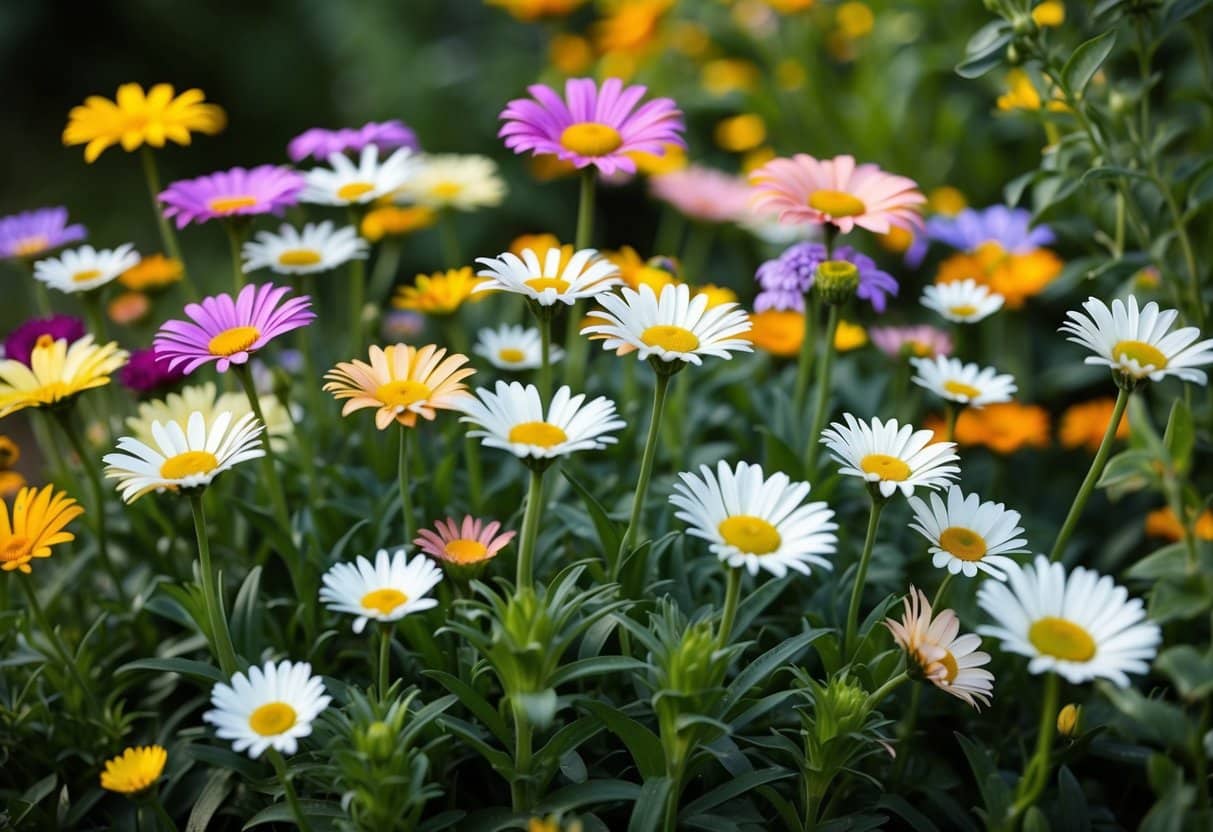
In spring and summer, many daisies bloom in most home gardens. Some varieties of the well-known flowering plant are hardy and can therefore also survive perennially in your flower bed.
- One of the best-known daisies is the summer daisy. It is characterized by a perennial shrub with long, dark green leaves. This daisy variety is hardy. With the right care, the perennials can easily remain in the flower bed and overwinter there. The perennials will then sprout again in spring.
- In addition, the various types of meadow daisies can also easily survive the winter. These daisies survive the winter in their respective locations without any problems and bloom the following spring.
- However, please note that some daisies are not hardy. The so-called potted daisies or the tall daisy stems are only perennial if they overwinter indoors before the first frost.
- Also make sure that hardy daisies that you plant in containers cannot overwinter outdoors either. To make these plants perennial, you should either plant them in a flower bed or overwinter them in a warm environment.

Other important tips for perennial daisies
Due to the right care, daisies can be perennial. If you follow a few important tips and advice, you can enjoy the flowers in your garden for a long time to come.
- Prepare your daisies in your flower bed sufficiently for the winter. Pay attention to the weather conditions. You should start preparing for winter before the first frost.
- Cut back the perennials with suitable garden shears and shorten the plants so that they are only a hand’s width above the ground.
If you then cover the garden plants with leaves, brushwood or chopped branches, they can easily overwinter and bloom perennially. - If you have planted hardy daisies in your garden, you should care for the plants during their winter dormancy. Provide the garden plants with a small amount of water every two to three weeks.
- Make sure that the water is at room temperature. This will prevent the roots of the small flowering plants from drying out. If small yellow leaves form on your daisies after a while, you can simply cut them off without hesitation.
- If you have planted your daisies in a container, the plants can only overwinter in suitable winter quarters. Before the first frost, you should cut these plants back by about two thirds with secateurs.
- Then place the daisies in a safe and protected room. The room temperature should be around 5 to 10 degrees.
Conservatories, hallways or greenhouses are particularly suitable for this. If you water the plants regularly with a small amount of water, they can bloom again next spring.