170
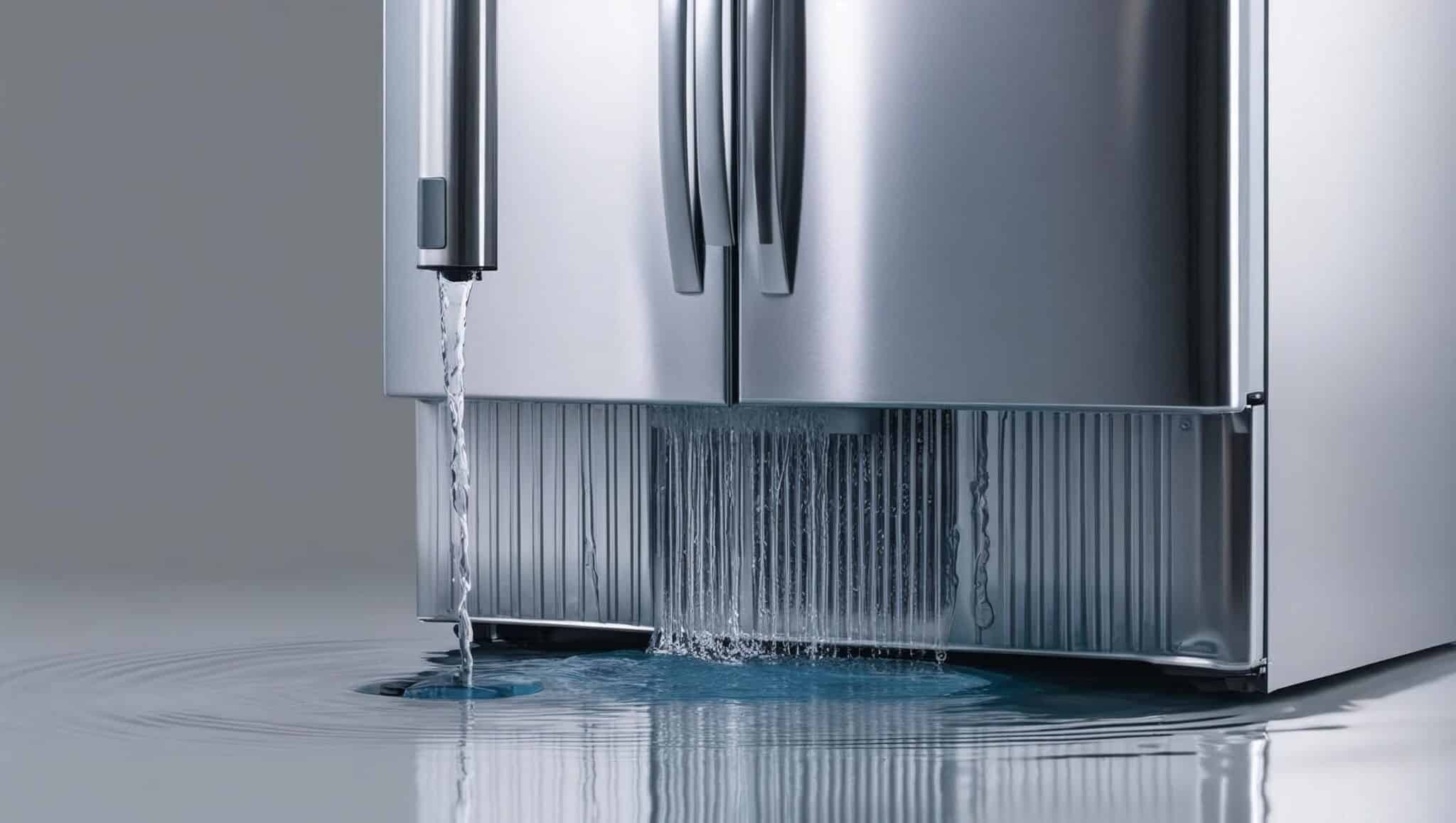
There are various causes for water in the refrigerator. A certain amount is normal, but there shouldn’t be too much moisture.
Water in the Refrigerator: Here Are the Causes
A little condensation in the refrigerator is completely normal. However, if it occurs in large quantities, you should investigate the cause.
- Opening your refrigerator too often or leaving it open for too long can explain the water buildup. Warm air from outside enters the refrigerator, where it condenses on the walls.
- If the food in your refrigerator is touching the back wall, this can also cause water to accumulate inside the appliance.
- Even if you place food in the refrigerator before it has cooled down, you risk increased water buildup.
- A clogged drain is probably the most common cause of water in the refrigerator. It is located at the bottom of the back of your refrigerator and can become clogged if it is not cleaned regularly.
- A porous or defective refrigerator gasket can also lead to an unusually large amount of water.

What You Can Do About Water in the Refrigerator
However, if actual puddles are forming in your refrigerator or water is running down the inside back wall, you should take action.
- If opening the refrigerator is the cause, defrosting it regularly will help get rid of excess water and ice buildup.
- Always store your food in the refrigerator so that it does not come into contact with the interior walls. Stackable storage containers are handy for stowing fruits, vegetables, and other items in the individual compartments.
- Always let your food cool down first before putting it in the refrigerator.
- If the drain is clogged: Simply clean the drain at the bottom of the back of your refrigerator at regular intervals with a cotton swab to ensure that excess water can drain properly.
- If the seal is defective or torn, the only solution is to replace it. Before doing so, you can at most try to reduce the leak by pressing the door shut more firmly. Place a flashlight inside the refrigerator, close the door, and check in the dark to see if light is still escaping. If so, the gasket must be replaced in any case.