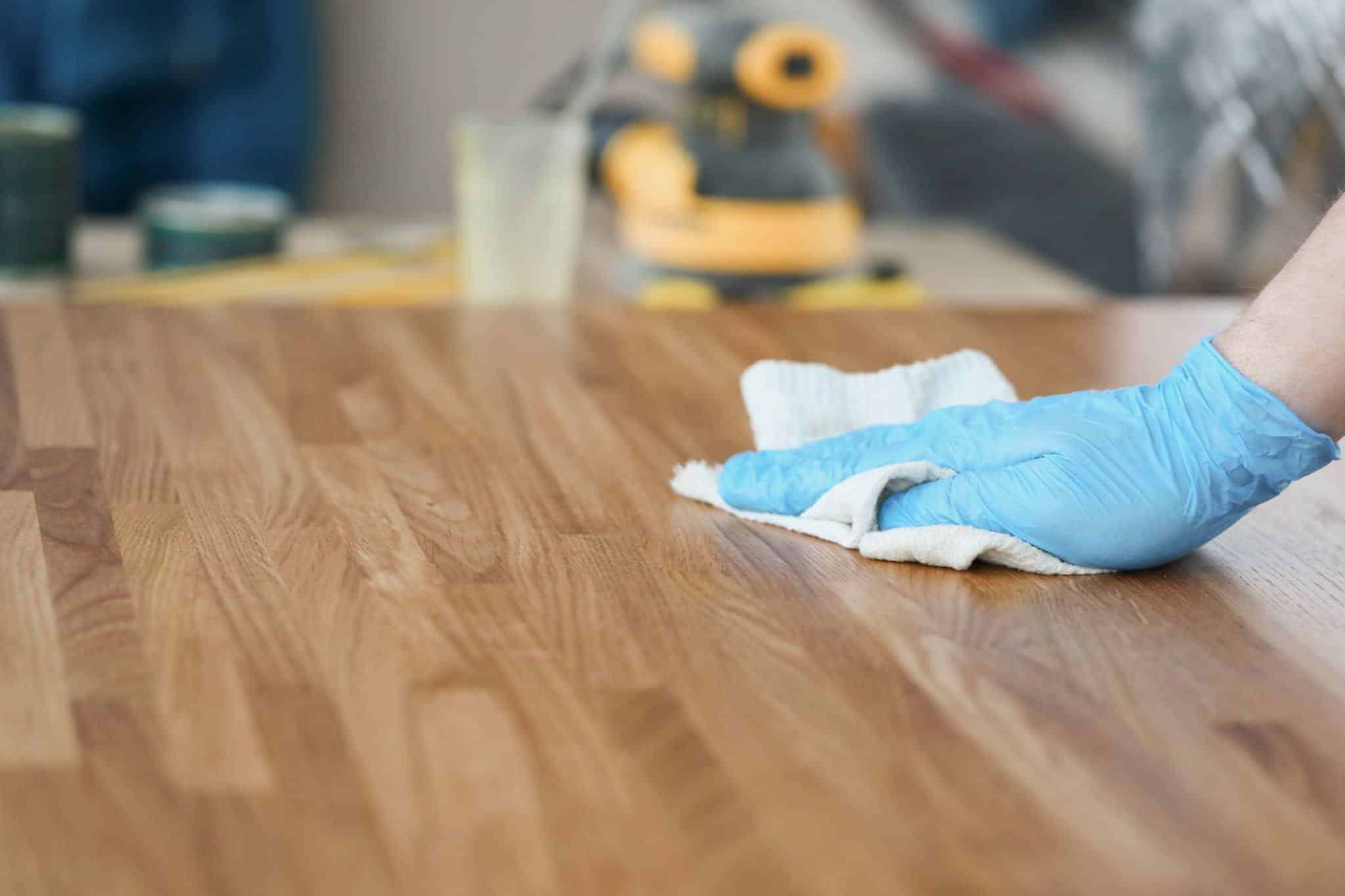
An unpleasant odor from wood can quickly ruin a cozy atmosphere, which is why you’ll surely want to get rid of it right away. There are various methods you can use to do this.
Removing Odors from Wood: How Coffee, Lemon, and Air Can Help
Whether it’s an old cabinet from a flea market, damp wooden shelves in the basement, or a musty dresser from the attic—they all tend to trap unpleasant odors that you, as the owner, would prefer to get rid of as quickly as possible. With the right home remedies and a little patience, you can usually remove these bothersome odors reliably. To do this, first clear out the entire contents of the wooden cabinet or shelf. It’s best to set aside a full day for odor removal.
- Fresh air is the simplest and often most effective remedy for musty odors. In dry weather, leave the piece of furniture outside for a few days—but make sure to protect it from direct sunlight and rain.
- Especially for pieces of furniture that have been in damp rooms for a long time, it helps to air them out regularly and for extended periods. You can also set up dehumidifiers—either an electric device or one using granules from a hardware store. Additionally, place bowls of salt in the room or inside the wooden furniture. Salt draws moisture out of the air.
- Do you like the smell of coffee? Then mix two tablespoons of coffee with the juice of half a lemon and one teaspoon of salt. Stir the mixture thoroughly in a cup and place it in the wooden cabinet instead of the salt dish. Let the mixture sit there for a day, adding a little water now and then so it doesn’t dry out.
- Afterward, let the cabinet air out thoroughly for a few more hours. The odor should now have been neutralized by the lemon juice and absorbed by the coffee and salt.
- If the odor is particularly strong or has already penetrated deep into the wood, it helps to wash the piece of furniture with a baking soda solution. Baking soda neutralizes odors and has a mild cleansing effect. Mix one tablespoon of baking soda with one liter of lukewarm water. Dampen a soft cloth with the solution and gently wipe down the wood—repeat as needed over several days. Let the wood dry thoroughly to prevent mold from forming.
- You can also use vinegar to combat unpleasant odors in wood. Apply a generous amount of vinegar to a cloth and wipe down the wooden furniture with it.
This home remedy has an antibacterial effect and also absorbs lingering odors. Afterward, air out the room for several hours until the vinegar smell has dissipated. Especially in wooden cabinets, you should wait until everything is completely dry and no longer smells of vinegar. - But be careful with varnished or coated wood: Vinegar, citric acid, or harsh cleaners can damage these wood surfaces and cause discoloration. Before applying any cleaning product directly to the wood, test it first on an inconspicuous area—for example, on the back or bottom edge of the piece of furniture. If the surface changes, use gentle alternatives such as baking soda or special furniture care products instead.
Activated charcoal as the most effective odor eliminator for wood
One of the most reliable methods for removing odors from wood is to use activated charcoal. It binds odor molecules particularly effectively and requires no chemicals at all.
- Place activated charcoal sachets—which you can also use for musty shoes—in drawers, cabinets, or on the affected wooden surfaces.
- Alternatively, fill shallow bowls with loose activated charcoal and place them inside or on top of the piece of furniture for several days.
- Repeat the process as needed until the odor has completely disappeared.
- Replace the activated charcoal regularly or reactivate it in the sun so that it continues to work reliably.
When home remedies fail: Mold or pest infestation possible
If the musty smell persists despite activated charcoal, baking soda, and thorough ventilation, there could be a deeper problem: Mold or wood-destroying insects may be infesting your beloved piece of furniture.& nbsp;
- Pests such as woodworms can cause unpleasant odors in the wood and damage the material.
- So take a closer look: Does your piece of wood show discoloration, black spots, or small drill holes? And does the wood smell musty or sweet and rotten? If so, mold could be deep within the material.
- If you suspect an infestation, contact a professional wood restoration or pest control company. Only professionals can reliably diagnose and treat the infestation.