489
Clattering when braking is just one of the many strange noises a car can make. In this article, we will show you what causes clattering and how you can fix it.
Clattering when braking – a case for the repair shop
You should always take unusual noises from your vehicle seriously. Clattering when braking can indicate a major defect that could jeopardize your safety. Common causes are:
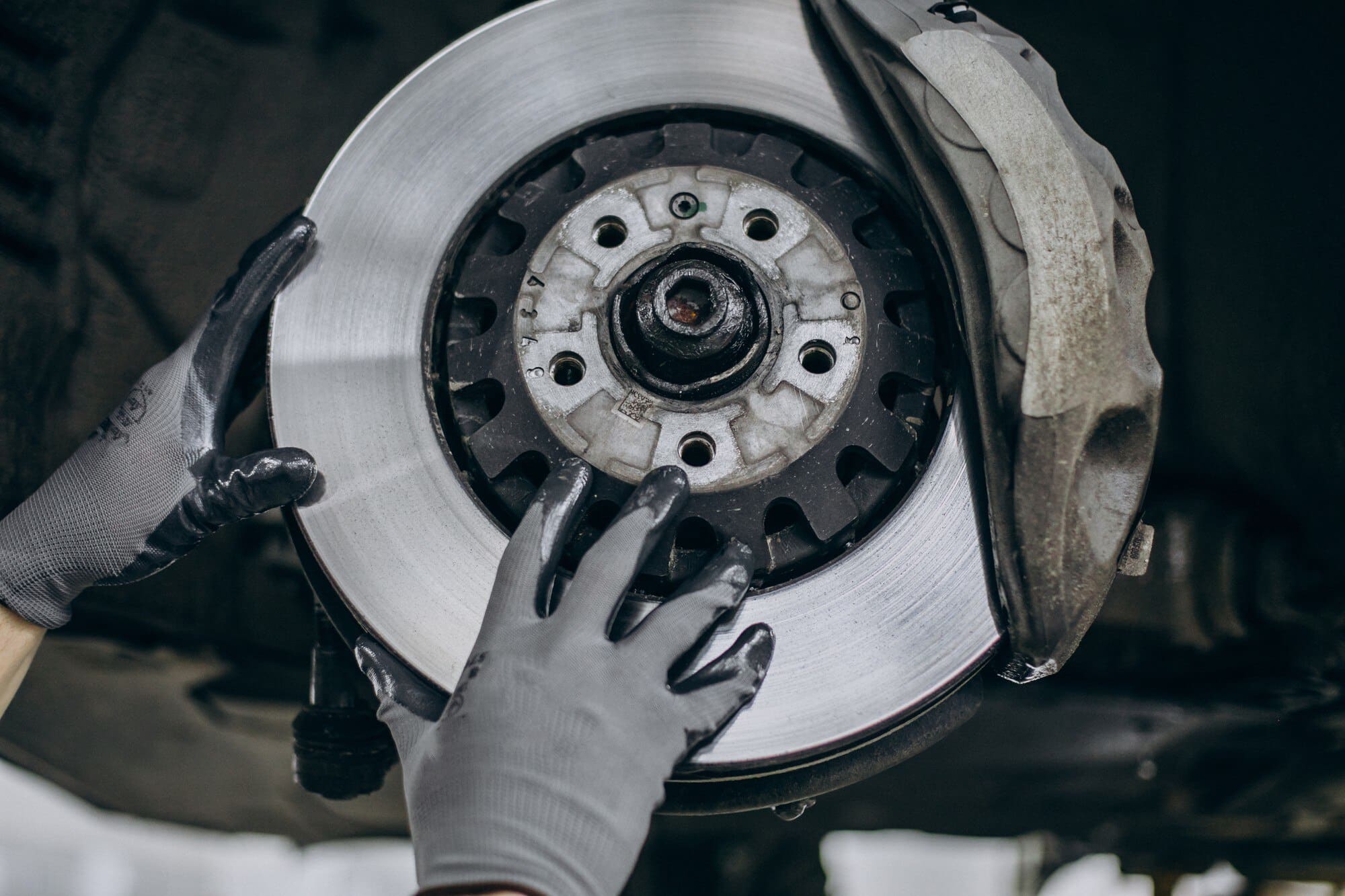
- Brake caliper: If the brake caliper is too loose or damaged, it may rattle when braking. The brake caliper is an important component of any disc brake and has a limited service life. Each wheel of your car has a brake caliper that should be checked regularly.
- Wheel bearings: A worn or damaged wheel bearing produces a knocking noise similar to a clattering sound.
- Brake pads: Loose or severely worn brake pads can vibrate when braking and cause clattering noises.
- Brake discs: Uneven wear or deformation of the brake discs can also cause clacking noises.
- Brake caliper guide pins: If these are worn or poorly lubricated, unusual noises may occur.
- Play in the chassis: Loose axle or wheel suspension parts transmit impacts when braking, which sound like clattering.
- You should have each of these points checked at a good specialist workshop to ensure safe braking performance.
Diagnosis and procedure if there is a clattering noise when braking
The following methods are available to narrow down the cause of the clattering noise:
- Visual inspection: Check the brake system, brake discs, pads, and wheel bearings for visible damage or wear.
- Test drive: Under controlled conditions, noises can be reproduced to narrow down the affected side.
- Workshop diagnosis: With special tools and experience, a specialist can determine exactly whether the brake caliper, brake pads, discs, guide pins, or chassis are the cause.
- Problems such as a loose brake caliper or worn wheel bearings should be repaired immediately, as they significantly impair braking performance. Minor wear, such as slight pad wear indicators, can be monitored but should not be ignored.

Brake system maintenance and care: The cost framework
Regular maintenance of the brake system extends its service life and increases safety:
- Maintenance intervals: Brake pads and discs should be checked every 20,000 to 40,000 kilometers, and fluid should be changed every two years.
- Maintenance includes: Lubricating guide pins, removing rust from brake calipers, and keeping the brake system clean.
- Cost estimate: Replacing a brake caliper usually costs between $150 and $400, brake pads between $50 and $150, and brake discs between $100 and $300 per wheel. High-quality replacement parts significantly increase service life and safety.
- Note: The brake system is a key element of road safety. Defects should never be postponed—they can save lives and prevent injuries.