Many textiles can be bleached. There are various methods for doing this. Which one you choose depends on the result you want to achieve. Learn more about the bleaching process and what you need to bear in mind.
How does bleaching textiles work?
Bleaching textiles is a chemical process that removes unwanted stains, yellowing, or impurities from fabrics. The aim is to increase the degree of whiteness or to remove stains and yellowing. This is usually done by oxidation (e.g., with hydrogen peroxide) or, less commonly, by reduction (e.g., in the case of indigo jeans).
- Typical bleaching agents are: hydrogen peroxide (most common agent for textiles), caustic soda and surfactants (for support), sodium hypochlorite (chlorine bleach, more aggressive, mostly for robust cotton), oxygen-based bleaching agents (e.g., sodium percarbonate, gentler), and baking soda or vinegar (home remedies, more for light brightening).
- During the bleaching process, the selected bleaching agent reacts with the coloring substances in the fibers and chemically destroys them, usually through oxidation. For cotton and other plant-based fibers, bleaching usually takes place in an alkaline environment, while for animal fibers such as wool, it takes place in an acidic environment. After bleaching, the textiles must then be rinsed thoroughly to remove any chemical residues.
- Bleaching is an effective method for freshening up white textiles or removing stains. It is important to check the suitability of the fabric, choose the right bleaching agent, observe protective measures, and rinse the textiles thoroughly after bleaching. Proceed with caution and follow the instructions on the care label to minimize the risk of damage.
What you should keep in mind when bleaching
Not all fabrics are suitable for bleaching. Natural fibers such as cotton or linen can be bleached well, but delicate or synthetic fabrics can be damaged. Check the care label: an empty triangle allows bleaching, a crossed-out triangle prohibits it. A striped triangle indicates oxygen bleach, “CL” indicates chlorine bleach.
- Preparation: The fabrics should be clean so that the bleach can work evenly. Delicate colors and prints may change or fade.
- Application:
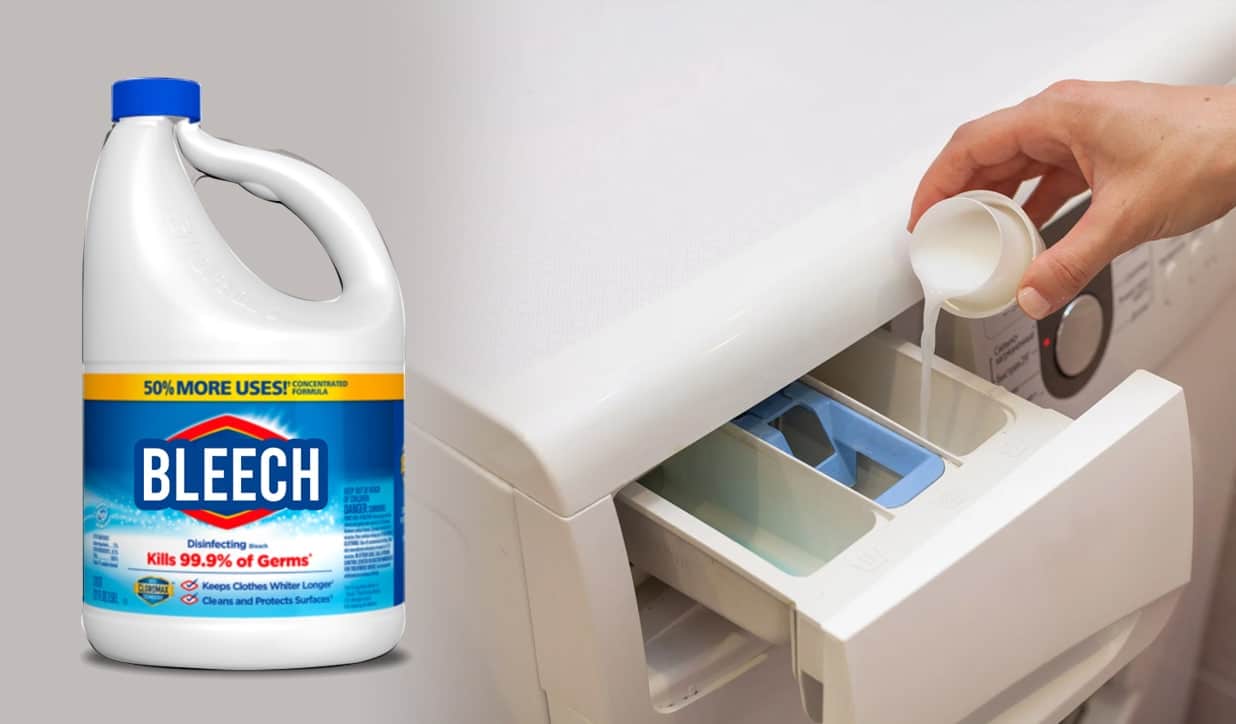
Always wear rubber gloves when handling bleach and work in well-ventilated areas. Follow the manufacturer’s instructions strictly regarding dosage and application time to avoid damage such as over-bleaching or fiber destruction. After bleaching, rinse the clothing thoroughly with water to remove all chemicals. - Methods: Bleaching in the washing machine: put the bleach in the appropriate compartment and select the wash program. If bleaching by hand, first dissolve the bleach in water, place the textiles in the water, and then rinse them thoroughly. Home remedies such as vinegar or baking soda are suitable for slight yellowing, but are less effective than traditional bleaches.
- Do not dry bleached fabrics in the sun, as they may develop a yellow tinge. Take special care with colored fabrics, as they may fade unevenly or become stained.
How to prevent textiles from being damaged by overbleaching
The measures described below will significantly reduce the risk of overbleaching and associated damage to your textiles.
- Always check the care label on the textile before using bleach. Not all fabrics are suitable for bleaching, and incorrect use can cause permanent damage to the fibers.
- Only use bleach in the amount recommended by the manufacturer and do not leave the textiles to soak for longer than necessary. Excessive concentrations or excessive soaking times increase the risk of fiber breakage, holes, and color loss.
- Always test the bleach on a hidden area first to check how the fabric reacts and whether it can tolerate the treatment.
- After bleaching, the fabrics should be rinsed thoroughly with clean water to remove all bleach residues. Residues can further attack the fibers and lead to premature wear.
- Bleach is usually unsuitable for delicate fabrics such as silk or wool. In this case, use mild household remedies (e.g., buttermilk) or refrain from bleaching altogether.
- Only use bleach when absolutely necessary (e.g., for stubborn stains or severe yellowing) and not routinely with every wash.
- Wear gloves when handling bleach and ensure good ventilation to avoid skin and respiratory irritation.
Natural methods for bleaching textiles
There are various environmentally friendly and gentle home remedies you can use to brighten textiles and remove stains. These methods are particularly suitable for delicate fabrics and avoid aggressive chemicals.
- Baking soda removes gray haze and neutralizes odors. Add half to one cup of baking soda to the detergent in the washing machine or prepare a bath with baking soda to soak the laundry in. Baking powder works similarly to baking soda and can be added directly to the washing machine.
- Lemon juice has a bleaching effect due to the citric acid it contains and removes stains. Dissolve the juice of two lemons in hot water, soak the laundry in it, and then wash as usual. Alternatively, use lemon peels, which you boil in water. Place the clothes in the mixture.
- White vinegar removes stains and dirt and acts as a fabric softener. Add half to a whole cup of vinegar to the detergent or soak the laundry in diluted vinegar water.
- UV rays have a natural bleaching effect and kill bacteria. Hang the washed, damp laundry outside in the sun.
- Milk is particularly suitable for delicate fabrics. It refreshes whites. To do this, soak the laundry in cold milk for several hours and then rinse it well.
- Instructions for use: Always test the chosen product on an inconspicuous area first, especially on delicate or colored fabrics. Natural methods are usually gentler and may require several applications for visible results. However, these methods are environmentally friendly, inexpensive, and gentle on the fibers of your fabrics.