415
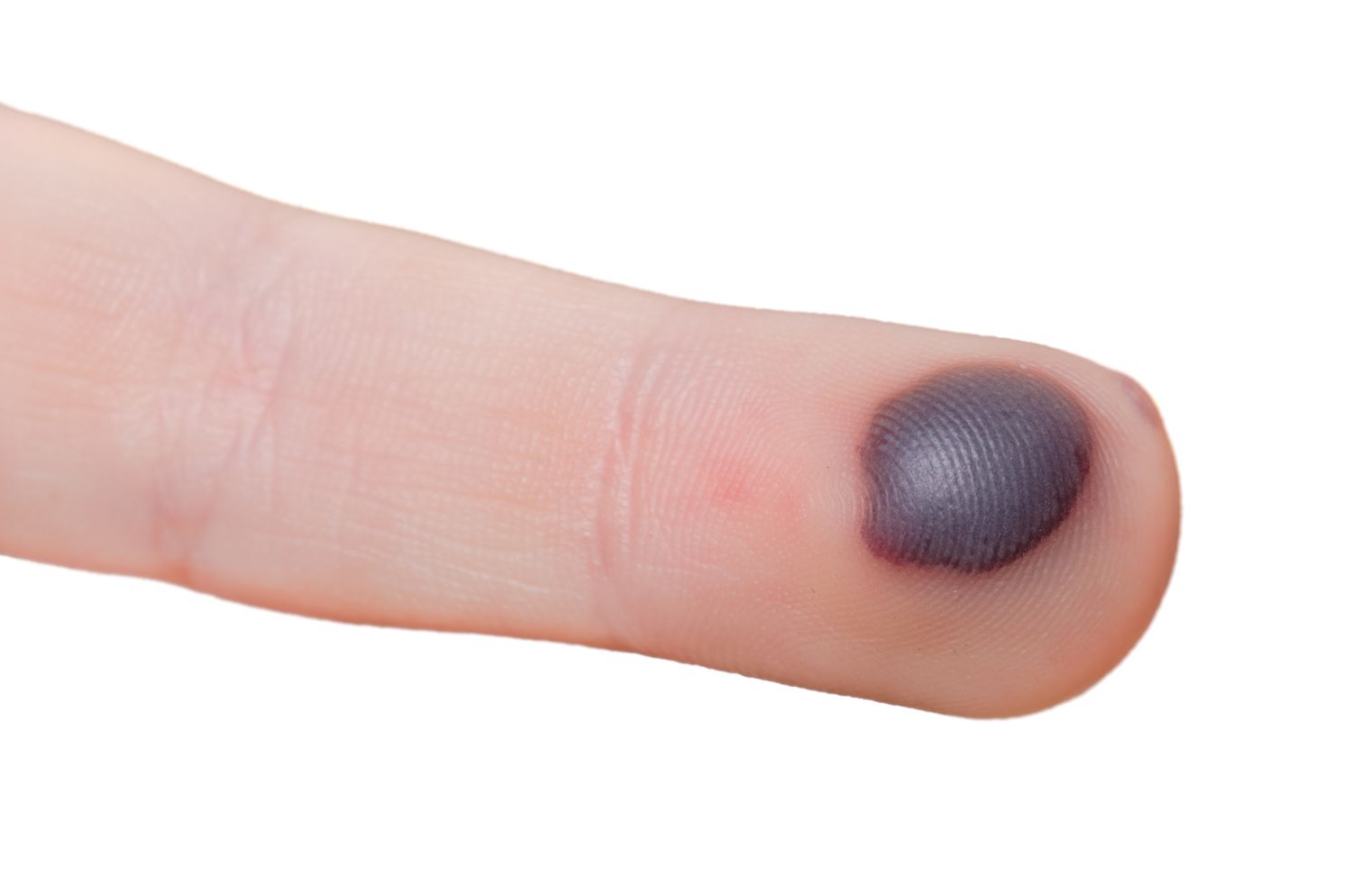
If you have a blood blister, you may be inclined to lance it. Find out why this is not a good idea in this health tip.
Don’t lance a blood blister yourself
As a general rule, you should not lance a blood blister yourself.
- The skin over the blister protects the injury from germs. If you were to lance it yourself, the risk of infection increases significantly.
- Small blood blisters usually heal on their own within three to seven days. To prevent the skin from accidentally tearing or the blister bursting, it is best to protect the area with a plaster.
- Larger blood blisters, on the other hand, should be treated by a doctor. In such cases, a doctor can open the blood blister under sterile conditions, disinfect the wound and apply a sterile dressing.
How blood blisters form
Blood blisters develop like normal blisters through strong or prolonged friction.
- The friction causes layers of skin to separate from each other. In a normal blister, the resulting cavity fills with tissue fluid (cell plasma).
- If a fine blood vessel is squeezed or injured in the process, blood also enters the cavity – creating a blood blister.
- Common triggers are new or ill-fitting shoes (especially when walking or running), intensive sporting activity, especially with friction on hands or feet or manual work without gloves or with unaccustomed strain.

When you should definitely see a doctor
In certain situations, medical clarification is strongly recommended.
- In people with diabetes, circulatory disorders or a weakened immune system (e.g. due to certain illnesses or medication), even a small blood blister can become problematic.
There is an increased risk of infection or poor wound healing. In these cases, have blood blisters examined by a doctor as a precaution. - If the blood blister becomes inflamed, a visit to the doctor is unavoidable. Typical warning signs are redness and overheating of the surrounding area, increasing pain, swelling, the discharge of pus or an unpleasant odor.