483
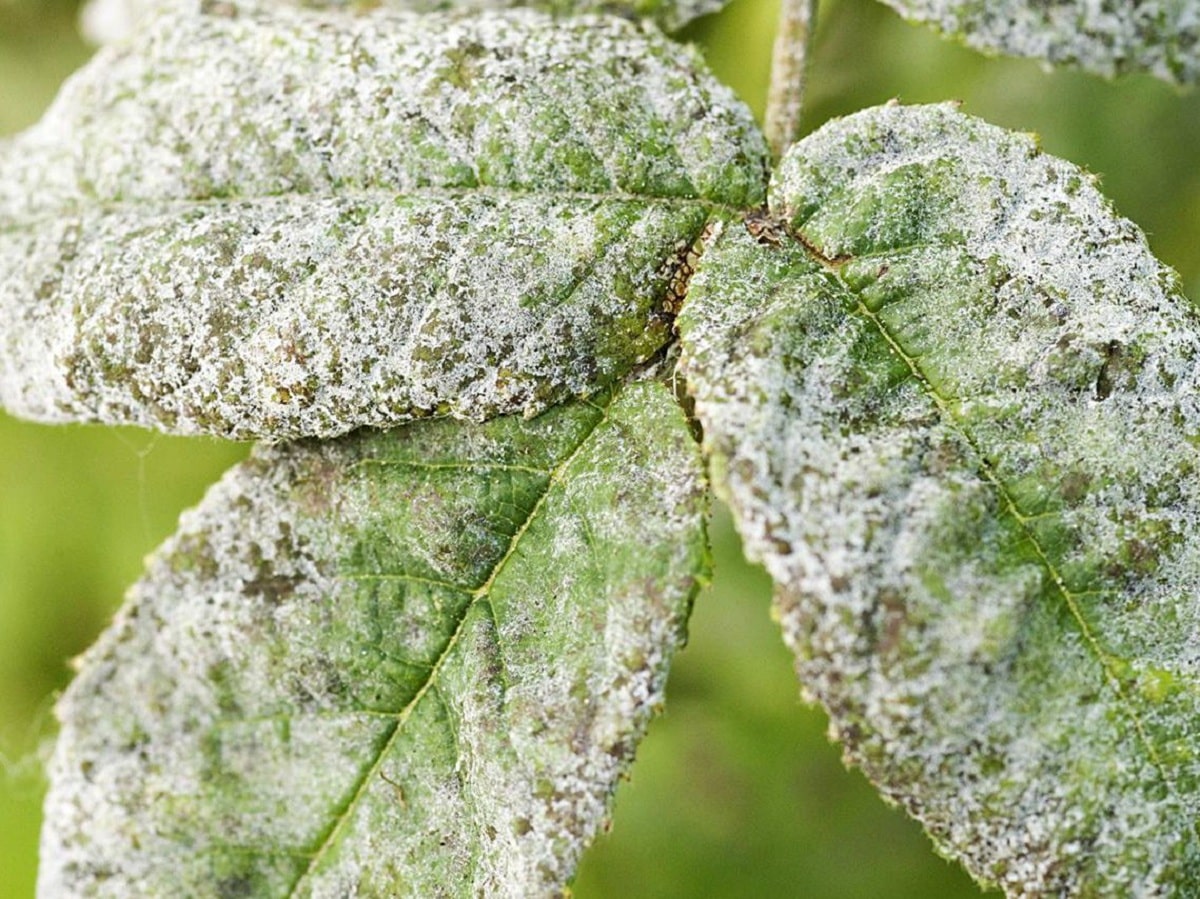
If you spot sooty mold on your plants, you should definitely treat it. Roses, in particular, are often affected by this fungal infection. We’ll show you how to get rid of those unsightly black spots.
Fighting sooty mold with home remedies
Black spots on plant leaves can indicate an infestation of sooty mold. If you notice this disease on your plants, you should take action. Otherwise, the affected plants may die.
- While specialty stores offer numerous products to treat sooty mold, most of these are highly effective fungicides. It’s best to avoid using them in your home garden whenever possible.
- A home remedy that is harmless to nature and the environment but extremely effective is baking soda. To make it, dissolve one heaping tablespoon of baking soda in one liter of lukewarm water and pour the mixture into a spray bottle.
- Spray the affected plants with this solution so that as many parts of the plant as possible are covered. You should also treat the undersides of the leaves. You can also spray this mixture on at-risk plants every two weeks as a preventive measure.
- Treatment with cow’s milk works in a similar way. To do this, mix 250 ml of milk with 750 ml of water and spray the affected plants with it. It is important to use fresh milk. This contains live microorganisms that combat the fungus.
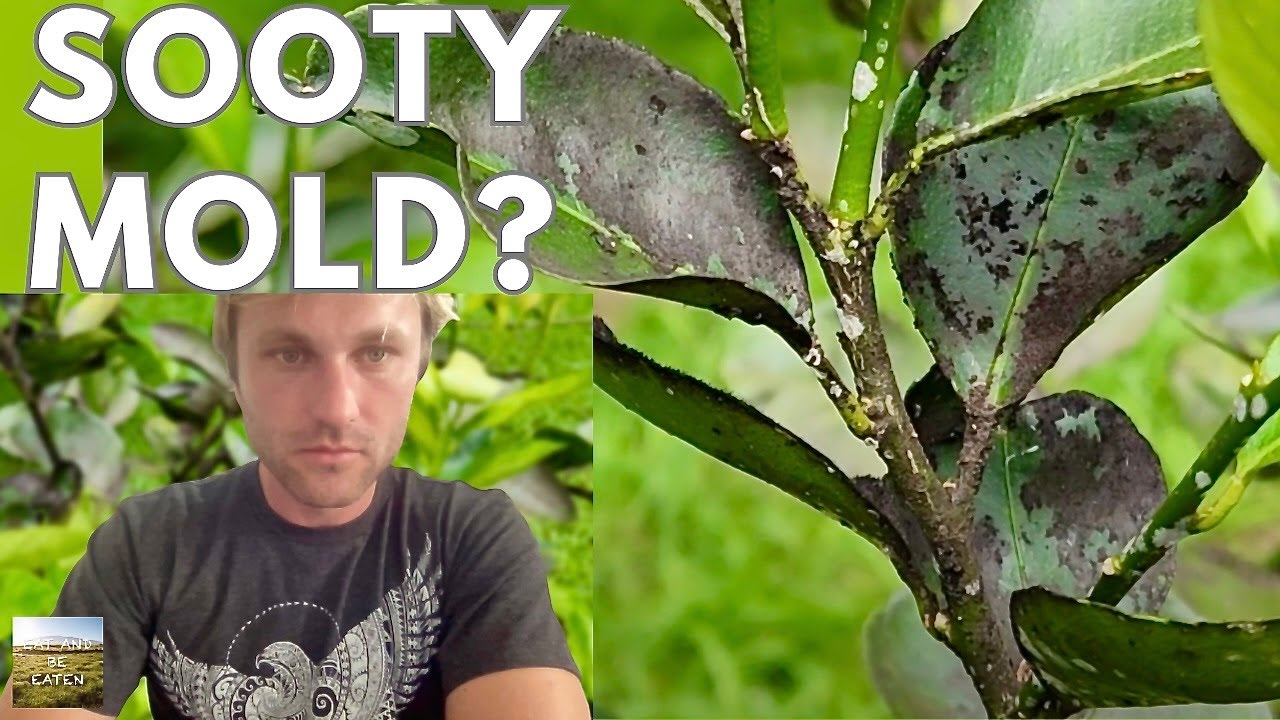
Preventing black spot on plants
Roses, in particular, are frequently affected by black spot. However, other garden plants such as oleander, apple trees, and laurels can also contract the disease. Even houseplants can be affected. That is why appropriate prevention is advisable.
- When buying new plants, look for varieties that are as resistant as possible. Especially with roses, there are now numerous varieties that are highly resistant to black spot disease.
- Thin out shrub roses regularly. This ensures good ventilation and allows the plants to dry out. This prevents the creation of a favorable environment for the fungus responsible for black spot.
- Ensure an optimal location and a good supply of nutrients for the plants. Strong and healthy plants are less susceptible to fungal diseases. Regular applications of nettle manure support your plants.
- Regular spraying with field horsetail broth can also protect plants from the dreaded fungal infestation. You should spray your roses with it about every two weeks as a preventive measure.
- A good remedy to prevent black spot from developing in the first place is garlic broth. To make it, boil about 100 grams of chopped fresh garlic or, alternatively, onions in one liter of water.
- Let the broth cool and strain it through a sieve. To use, dilute the broth 1:10 with water and spray it on the plants as a preventative measure.