333
The largest museum in the world is home to an impressive collection of art and history that attracts visitors from all over the world. Find out which museum holds this title.
Which is the largest museum in the world?
Museums are places of wonder and discovery. But when it comes to size, some museums stand far above others. Which museums are among the largest in the world?
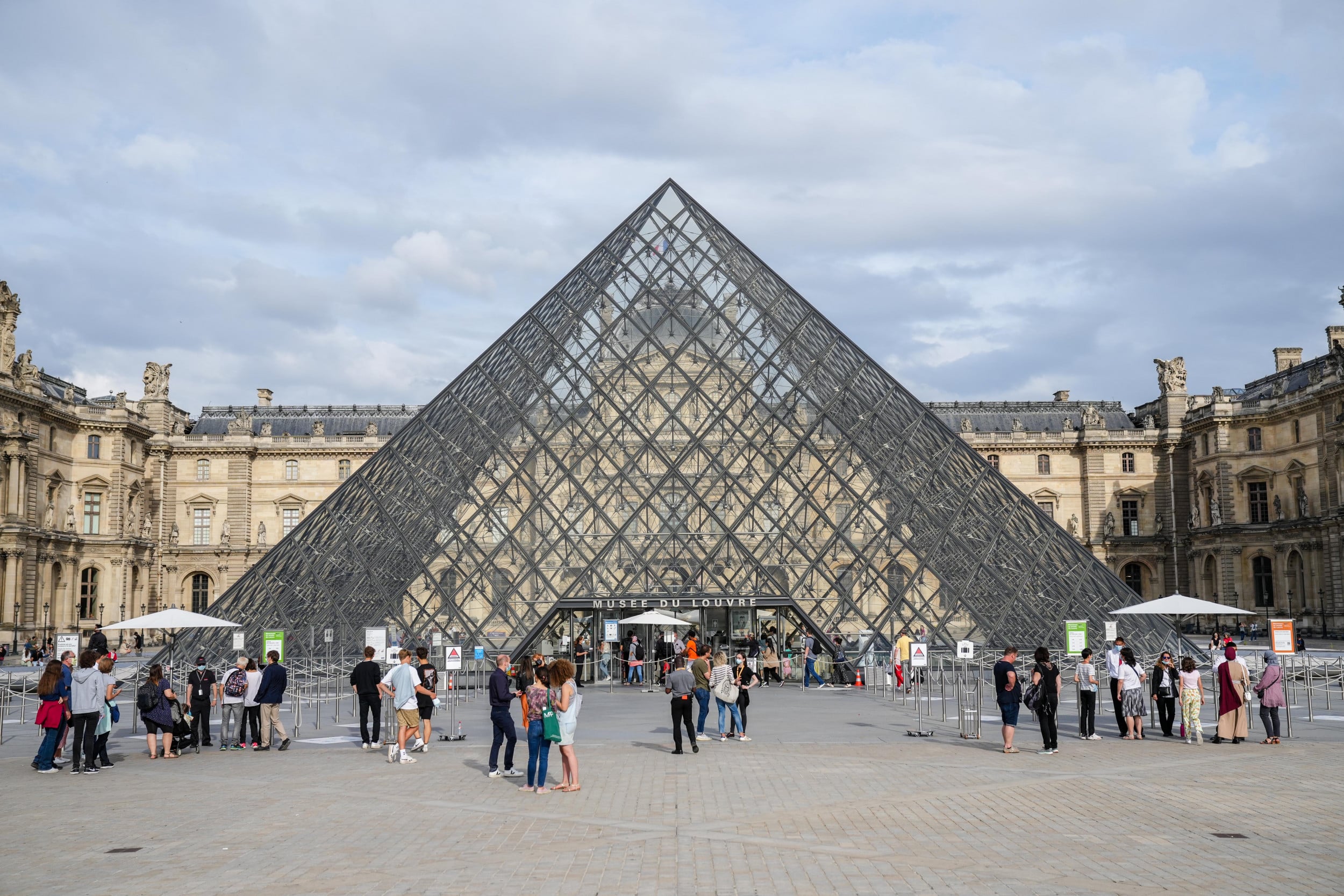
- The Louvre in Paris is considered the largest museum in the world in terms of exhibition space. With over 72,000 square meters, it offers visitors an impressive collection of works of art from different eras. The famous Mona Lisa by Leonardo da Vinci is just one of the many highlights that attract millions of tourists every year.
- Also important to mention: In terms of exhibition space, the Chinese National Museum in Beijing wins.
In terms of space, it is the largest museum in the world. It has an exhibition area of 195,000 square meters and is therefore often referred to as the largest museum building in the world. - It is not only the surface area, but also the variety of exhibits that makes a museum large. The British Museum in London has one of the most extensive collections of historical artifacts in the world. From Egyptian mummies to the Rosetta Stone – history comes alive here.
- St. Petersburg is home to the Hermitage, one of the oldest and largest museums in the world. It houses more than three million objects in its countless halls, including works by artists such as Rembrandt and Michelangelo. The magnificent architecture of the Winter Palace adds to the fascination.
- Although it is not the largest in terms of space, the Metropolitan Museum of Art in New York impresses with its extensive collection. Over two million works of art, from ancient sculptures to contemporary art, make it a cultural center of the first rank.
The museum is therefore one of New York’s biggest attractions.
History of the world’s greatest museums
Each of these museums has its own history and significance that goes far beyond their physical size.
- The Louvre was originally built as a fortress in the late 12th century and has been extended and rebuilt several times over the centuries. It opened as a museum in 1793 and quickly developed into one of the most important art museums in the world. Its collections include works from the Middle Ages to the 19th century.
- The British Museum was founded in 1753 and was the first national public museum in the world. Since its opening, it has offered free admission and has thus developed into an important place of education. It is particularly well known for its collections of classical antiquities and ethnographic artifacts.
- The Hermitage was founded in 1764 by Catherine the Great, who constantly expanded her personal art collection. Today it is one of the largest and most important museums in the world. A large part of the collection is housed in the magnificent rooms of the Winter Palace, a masterpiece of Baroque architecture.
- The Metropolitan Museum of Art was founded in 1870 to provide the American public with access to art and culture. Over the years, the collection has grown enormously through donations and acquisitions, so that today almost all cultures and eras are represented.

Architectural wonders: the buildings of the greatest museums
The impressive architecture of these museums is often just as fascinating as the collections themselves.
- The Louvre combines different architectural styles that reflect its long history. The modern glass pyramid in the courtyard, designed by I.M. Pei, provides an impressive contrast to the classical wings of the building and serves as the main entrance.
- The Hermitage in St. Petersburg spans several historic buildings, including the Winter Palace. The magnificent interior with its gilded ceilings and ornate halls provides the perfect setting for the works of art on display.
- The British Museum impresses with its neoclassical architecture. Particularly noteworthy is the Great Hall, whose glass roof creates a light-flooded space that welcomes visitors and invites them to linger.
- The Metropolitan Museum of Art combines architectural elements from different eras. From the Gothic style of the original façade to the modern extension – the building itself is a work of art. The Roof Garden Commission also hosts seasonal art exhibitions with spectacular views of Central Park.