259
Many animals live in Germany during the fall. That’s because there are not only many native species that spend the colder season here, but also some new seasonal visitors.
Animals in Fall: How Deer, Roe Deer, and Others Behave
Germany has a diverse animal kingdom of both large and small inhabitants. For many of them, winter is a difficult time with little food, which is why they prepare for it in the fall.
- Deer: For red deer, fall is mating season. For the males, this means defending their harem of females against rivals, impressing the females, and ensuring the survival of their offspring. In the fall, the deer’s diet consists mainly of acorns, chestnuts, beechnuts, mushrooms, as well as fruit and the bark of trees and shrubs.
- Roe deer: For roe deer, the mating season is already over by fall. In addition to the molting process that roe deer undergo in early fall, the males (roe bucks) shed their antlers in the fall. In the fall, these animals—which otherwise live as solitary creatures—form small herds.
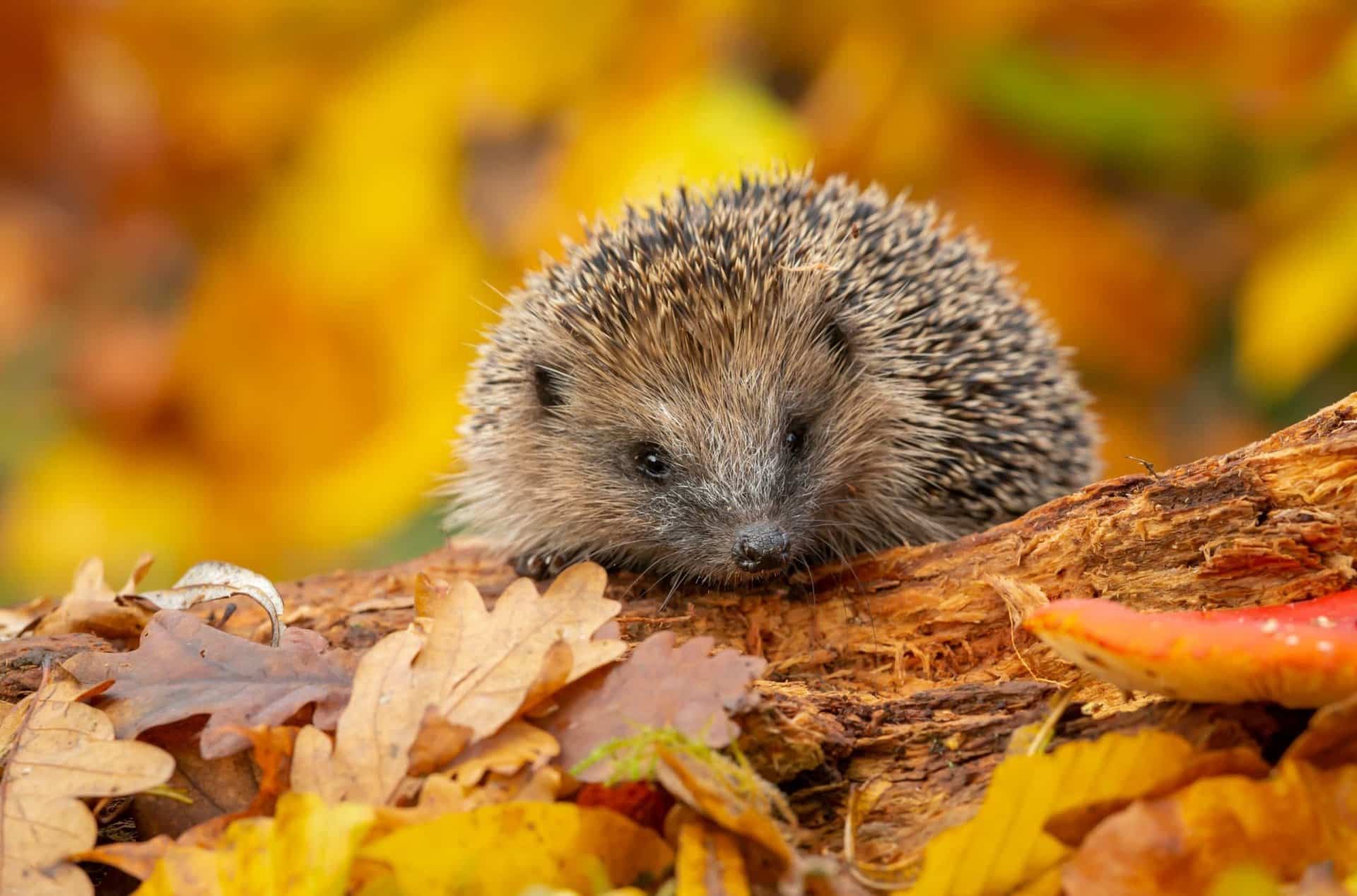
- Hedgehogs: Hedgehogs spend most of the fall foraging to build up a winter fat reserve. As omnivores, they feed on insects, snails, small mammals, worms, spiders, bird eggs, and occasionally fruit. As soon as temperatures start to drop toward freezing—around mid-November—hedgehogs seek out a dry, sheltered spot to hibernate through the winter.
- Squirrels: For squirrels, fall is the time to molt. While they have a bright red coat in the summer, their winter coat is a more muted reddish-brown. Squirrels do not hibernate, which is why they spend their time in late summer and fall stockpiling food for the winter.
- These supplies consist of nuts, seeds, and mushrooms, which it buries in the ground all around its nest. However, the squirrel never finds many of these seeds and nuts again, thereby unknowingly contributing to the preservation of tree populations.
Native Birds in Fall
A wide variety of bird species live in this region, and they behave quite differently in the fall. Here are a few examples.
- Songbirds: There are some songbird species in Germany that migrate to warmer regions in the fall to spend the winter there. Others, however, remain here throughout the winter. While swallows, swifts, and starlings, for example, fly south in the fall, blackbirds, robins, and titmice spend the winter here with us.
- Waterfowl: Native ducks and geese, such as the mallard and the gray goose, stay here year-round. In late fall, countless Arctic wild geese also land in wetlands in northern Germany to spend the winter here, since their grazing grounds freeze over in their native habitats. They all spend the fall near bodies of water, where they find ample food in the form of plants, insects, and shellfish.
- Birds of Prey: Of the many birds of prey native to Germany, only harriers and kites migrate to warmer regions for the winter. Most others stay here. Many birds of prey from Northern Europe spend the winter here in Central Europe, as the food supply—consisting of small birds and small mammals—remains stable here in the fall and often well into the winter.
Fish, Reptiles, Amphibians, and Insects in Fall
There are also some animals that enter a state of hibernation during the colder months. These include, for example, fish, reptiles, amphibians, and insects.
- Reptiles, amphibians, and insects begin to look for a sheltered place to overwinter as temperatures drop in the fall. All three enter a state known as torpor. During this time, their heart rate and breathing are reduced to a minimum, similar to hibernation.
- Since reptiles, amphibians, and insects are cold-blooded animals, they have no control over when their winter dormancy begins.
- Hibernation sites can include places such as cracks in a rubble wall, a pile of leaves, or even holes in the ground. Many insects seek out a place to hibernate in the fall within dried-out flower stalks (which is why it’s recommended to wait until spring to prune your garden).
- Fish also enter a state of hibernation. In the fall, they often move to the deeper parts of their home waters, since these do not freeze as easily as the water’s surface, and then spend the cold months there in a state of dormancy.